Creating a functional and aesthetically pleasing home office often feels impossible when working within a tight budget. Many people assume that professional-looking decor requires expensive furniture and premium materials, but that is rarely the case. Strategic use of lighting, textural layering, and smart spatial planning can transform a mundane corner into a productive workspace without draining your savings.
This guide focuses on specific, low-cost interventions that yield high visual and functional returns.
The Foundation: Desk and Seating Solutions
The desk is the centerpiece of any home office, and you do not need to buy a new one to make it look intentional. If your current desk is plain, a simple peel-and-stick adhesive wood veneer can change its appearance instantly. Look for finishes like walnut or light oak, which add warmth and texture.
Ensure the surface is clean and dry before application to prevent bubbling. For those with a completely bare space, a sturdy wooden tabletop placed on two metal shelf brackets and a support post creates a floating desk aesthetic for less than the cost of a retail furniture piece. This method allows you to choose the exact width needed for your monitor and laptop setup.
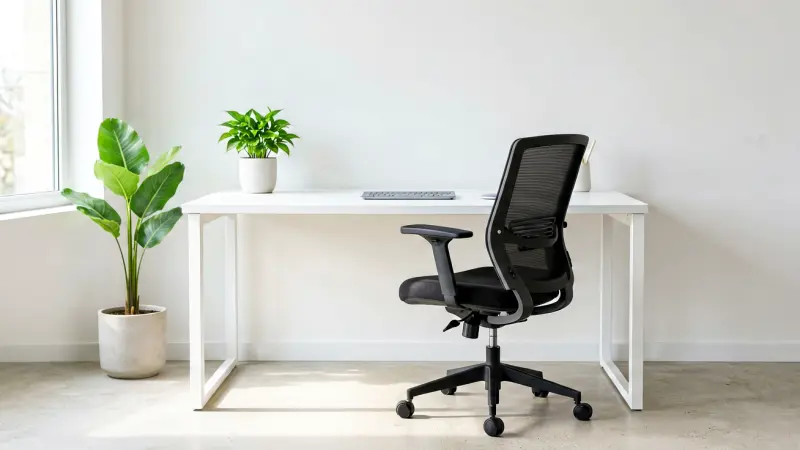
Optimizing Seating on a Low Budget
While ergonomic office chairs are expensive, you can improve comfort and style for under $50 by upgrading your cushion. A high-density memory foam seat pad adds significant support and can be slip-resistant to stay in place. Choose a cover that matches your home’s decor palette; neutral tones like beige, gray, or navy are versatile and do not clash with existing furniture.
If your chair looks dated, a removable slipcover can refresh it without altering its structure. This small investment reduces the need to replace the entire chair, keeping your overall budget focused on visual elements rather than major structural replacements.
Lighting: The Most Underrated Upgrade
Poor lighting is the fastest way to make a room feel cramped and uninviting. Overhead lights alone often cast harsh shadows on your work area, which can cause eye strain and make the space feel sterile. You can improve the ambiance dramatically by adding a desk lamp with an adjustable arm and a warm white bulb (2700K to 3000K).
The arm allows you to direct light precisely where you are working, reducing glare on screens. If you have an empty wall or corner, a floor lamp with a fabric shade introduces vertical interest and softens the edges of the room. The key is layering; combine a focused task light with a broader ambient source to create depth.
This approach mimics the lighting design principles used in high-end studios but costs a fraction of the price.
Adding Texture and Softness
Bare walls and hard surfaces can make a home office feel cold and temporary. Introducing soft textiles is one of the most effective ways to add comfort and acoustic dampening for minimal cost. A small area rug can anchor the desk and chair, defining the workspace as a distinct zone within the room.
Choose a rug that is at least the size of the desk and extends slightly beyond the chair’s footprint to prevent legs from sliding out. If you have limited floor space, a wall-mounted fabric tapestry or a thick quilted throw draped over the chair back can achieve a similar effect. These textiles absorb sound, reducing echo in open-plan areas, and they provide a tactile break from the hard surfaces of monitors and keyboards.
Neutral patterns are safest, but a single bold accent rug can serve as a focal point if the rest of the room is subdued.
Greenery and Natural Elements
Plants are one of the cheapest ways to introduce a biophilic element that boosts mood and air quality. You do not need to buy a full-grown tree; small potted plants like pothos, snake plants, or succulents are hardy and affordable. These varieties tolerate lower light levels better than tropical plants, making them suitable for most home offices.
Place them on the desk, a nearby shelf, or a windowsill to add a pop of green. If live plants are too much maintenance for your routine, high-quality artificial plants can still add the visual benefit of greenery without the care requirements. The crucial factor is the pot; pairing a plain white plant with a textured or colored pot elevates the look.
This combination of organic form and curated containers creates a sense of intentionality that plastic furniture often lacks.
Organizational Aesthetics
Clutter is the enemy of both productivity and style. A home office that looks messy feels chaotic, even if the underlying systems are organized. Implementing visible storage solutions is key to maintaining a tidy appearance.
Transparent acrylic bins are excellent for holding pens, notepads, and small stationery items; they keep things contained while allowing you to see what you have. For documents, a file box with a decorative lid or a woven basket can hide the mundane side of work from view. Cable management is another critical but often overlooked area.
Using cable clips and velcro ties to secure wires behind the desk or along walls reduces visual noise. A neat cable bundle looks professional and makes cleaning under the desk easier. By keeping surfaces clear, you highlight the decor elements you have chosen, making the space feel larger and more open.
Choosing the Right Wall Decor
Wall space is prime real estate for adding personality without occupying floor area. Instead of buying expensive original art, consider affordable print options that you can frame yourself. A large, simple frame can hold a personal photograph or a piece of abstract art that complements your color scheme.
Gallery walls work well, but they can look cluttered if not planned carefully. Choose a theme, such as black and white photography or a specific color palette, and space the frames evenly. If you prefer a more minimal look, a single oversized frame makes a strong statement.
You can also use floating shelves to display small objects, books, or trinkets. The arrangement should feel curated, not crowded. Take a photo of the wall before hanging items to plan the layout with masking tape, ensuring the final result is balanced and intentional.
Cost-Benefit Comparison of Decor Strategies
When budgeting for your home office, it is helpful to compare the cost against the visual impact and longevity of different upgrades. Some items are purely decorative, while others serve a functional purpose that justifies the expense. The table below breaks down common budget-friendly options to help you prioritize your spending.
It highlights which items provide the best return on investment in terms of aesthetics and functionality.
| Decor Element | Typical Cost Range | Visual Impact | Functional Benefit | Longevity |
|---|---|---|---|---|
| Desk Lamp | $15 – $40 | High | Reduces eye strain, improves task lighting | 5+ years |
| Area Rug | $30 – $60 | High | Dampens sound, defines space | 3-5 years |
| Artificial Plants | $10 – $25 | Medium | Biophilic benefits, low maintenance | Indefinite |
| Acrylic Organizers | $10 – $20 | Medium | Keeps surface clear, protects items | 2-3 years |
| Wall Art/Frame | $10 – $30 | High | Adds personality, focal point | Indefinite |
| Slipcover/Cushion | $15 – $40 | Medium | Improves comfort, refreshes furniture | 2-3 years |
Common Mistakes to Avoid
Even with a budget, it is easy to make choices that diminish the quality of your workspace. One frequent error is buying items that are too large for the space. A bulky chair or a wide desk can make a small room feel suffocating.
Measure your available space carefully and choose furniture that leaves at least 30 inches of clearance in front of the desk for comfortable movement. Another mistake is ignoring color coordination. A home office that clashes with the rest of the house can feel disjointed.
Use a color wheel to ensure your accessories complement the existing walls and flooring. Neutrals are safe, but adding one accent color can create a cohesive look without overwhelming the senses. Finally, avoid accumulating too many decorative items.
Less is often more; a few well-chosen pieces look more sophisticated than a cluttered collection of knick-knacks. Regularly review your decor and remove items that no longer serve a purpose or disrupt the aesthetic.
Maintenance and Long-Term Care
Keeping your budget-friendly decor looking fresh requires minimal effort but consistent habits. Dust your desks, shelves, and lamp shades weekly to prevent buildup. For plants, check soil moisture regularly and wipe leaves to keep them vibrant.
Adhesive veneers on desks can peel at the edges over time; monitor these spots and touch them up with a bit of adhesive if necessary. Clean your area rug according to the manufacturer’s instructions, typically vacuuming regularly and spot-cleaning spills immediately. By maintaining these items, you extend their lifespan and keep the space looking intentional.
A well-maintained workspace feels more professional and inviting than a neglected one, even if the initial investment was low. Consistent care is the difference between a temporary setup and a lasting part of your home.
Frequently Asked Questions
Can I use existing furniture for a home office?
Yes, existing furniture can be repurposed effectively. A dining table or even a sturdy counter can serve as a desk. The key is to ensure the height is appropriate for your monitor and keyboard.
If the height is off, you can use a book stack or adjustable feet to create the right level. Adding a monitor arm can further optimize the setup. This approach saves money and leverages what you already own.
What if I have a very small room?
In small spaces, vertical storage is essential. Use wall shelves to keep items off the desk. A compact desk or a folding table that can be stored away when not in use can free up floor space. Mirrors can also make the room feel larger by reflecting light. Stick to a light color palette to avoid making the space feel closed in. Every item must serve a dual purpose to maximize utility.
Are there health risks with cheap decor?
Generally, low-cost decor items are safe, but be mindful of materials. Choose plants that are non-toxic if you have pets or young children. Avoid scented candles or air fresheners with strong synthetic fragrances, as they can cause irritation.
For textiles, look for labels that indicate the materials are hypoallergenic if you have sensitivities. Prioritizing natural materials like cotton or wood can reduce exposure to chemicals often found in synthetic products.
Final Thoughts
Creating a stylish and functional home office on a budget is about making smart, intentional choices rather than spending a lot of money. By focusing on lighting, texture, and organization, you can transform a simple space into a productive sanctuary. The key is to layer upgrades gradually, prioritizing items that have the highest visual and functional impact.
A desk lamp, a quality rug, and a few strategic decor pieces can go a long way. Remember that your workspace should reflect your personality while supporting your work habits. Take it slow, measure carefully, and enjoy the process of building a home office that inspires you, regardless of your budget.
If you are working with tight spaces, you might also find our guide on how to style a small living room helpful, as many of the spatial principles apply similarly to compact work areas.