Most people view the shower as a space for relaxation and hygiene, but for those with sensitive eyes or specific medical conditions, it can be a source of discomfort. The harsh chlorine in pool water, the acidity of certain shower gels, and the temperature shock can all irritate the cornea and conjunctiva. Shower goggles solve this problem by creating a physical barrier between your eyes and the water.
They are not just for swimmers who want to keep water out; they serve a distinct utility for home hygiene routines, aquatic sports training, and medical eye protection. This guide explores the specific use cases, the types available, and how to choose the right gear for your needs.
The Primary Purpose: Blocking Irritants
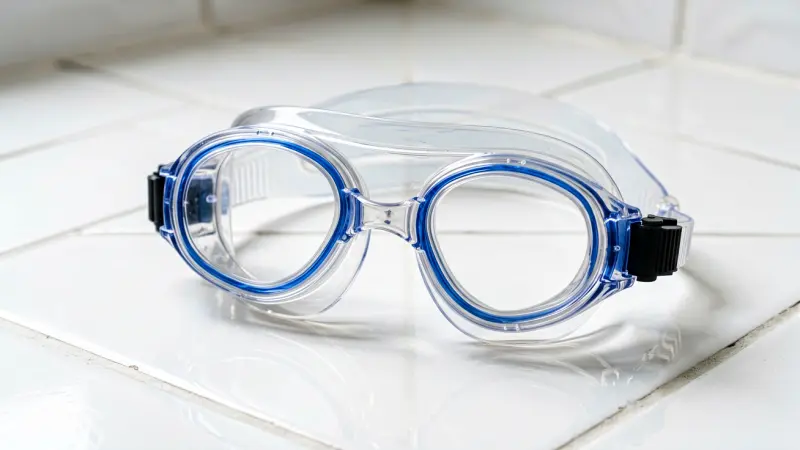
The core function of shower goggles is to prevent direct contact between the eye and potentially harmful substances. Unlike standard swimming goggles, which are often loose or have simple seals, shower-specific designs prioritize a watertight seal against standing water rather than pressure from forward motion. This makes them ideal for situations where the eye might be exposed to prolonged water flow, such as during a long shower or while washing hair.
Chlorine is the most common irritant in recreational water. While modern pools are treated to safe levels for the body, the eyes are far more sensitive. Chlorine breaks down into chloramines, which can cause redness, burning, and “red eye” syndrome.
Shower goggles act as a shield against these chemicals. This is particularly relevant for individuals who use public showers at hotels, gyms, or community centers where the water treatment standards may differ from home fixtures. By keeping the water out, you eliminate the risk of chemical irritation before it starts.
Medical and Sensitivity Use Cases
Protecting Post-Surgical Eyes
For patients recovering from corneal transplants, cataract surgery, or refractive procedures like LASIK, protection is often part of the aftercare protocol. Surgeons frequently recommend wearing protective eyewear during bathing to prevent soap or shampoo from entering the eye, which could disrupt the healing tissue or introduce bacteria. Shower goggles provide a secure fit that prevents leakage, offering peace of mind during the vulnerable recovery period.
They are a practical alternative to the cumbersome, opaque shields often prescribed, allowing the patient to see while showering safely.
Managing Ocular Allergies and Dry Eye
People suffering from severe ocular allergies or chronic dry eye syndrome often find that hot shower steam exacerbates their symptoms. The heat evaporates the tear film more quickly, leading to a scratchy, irritated feeling. While goggles do not create a warm, humid seal, they prevent the direct splashing of hot water, which can cause thermal shock to the delicate tissues of the eye.
Furthermore, for those with allergies to specific fragrances in shower products, goggles prevent the aerosolized mist from reaching the sensitive eye area, reducing the trigger for histamine reactions and itching.
Athletic and Aquatic Training Applications
Aquatic athletes, including open-water swimmers and triathletes, often train in conditions where standard swimming goggles are insufficient. Open-water swimming involves waves, rain, and varying light conditions. Shower goggles, typically referring to tight-seal models often used for diving or intense training, offer superior visual clarity and retention.
They are designed to withstand the impact of water without fogging up as easily as lower-quality pool goggles. For swimmers who spend significant time underwater, the reduced water entry is a major comfort factor. The seal prevents the “drip” that occurs when the goggle strap loosens, maintaining a clear field of vision during intense sets.
Furthermore, some athletes use tight-fitting goggles for warm-up showers to keep their eyes open and hydrated without the sting of soap. While they don’t necessarily wear them for the entire wash, the initial phase of removing product from the face can be painful for sensitive eyes. A quick pass with a tight-seal goggle protects the eye while the hair and body are rinsed, after which the goggles can be removed for the rest of the routine.
Comparison of Goggle Types for Shower Use
Not all goggles are created equal. The term “shower goggles” can refer to several different products, each suited to different levels of protection. Understanding the differences helps in selecting the right tool for the job. The table below outlines the key characteristics of the three main types found in the market.
| Goggle Type | Seal Mechanism | Primary Use Case | Comfort Factor |
|---|---|---|---|
| Medical/Pediatric | Soft silicone rim with velcro strap | Post-surgical protection, children | High, non-invasive fit |
| Standard Swimming | Rubber cup with elastic strap | General pool use, light showering | Medium, potential for pressure |
| Tight-Seal/Diving | Rigid frame with neoprene/silicone gasket | Open water, high-impact showers | Lower, requires break-in |
Medical-grade goggles usually feature a very soft, thick silicone edge that conforms to the facial bone structure without creating pressure points. They are the preferred choice for anyone who has had recent eye surgery or has sensitive skin. Standard swimming goggles are the most common type found in drugstores.
They are widely available and affordable but may not hold as well against the continuous flow of a running shower. Tight-seal models, often marketed for free diving or scuba diving training, use a rigid outer shell and an inner gasket to create an almost perfect seal. These are effective for total water exclusion but can feel uncomfortable if worn for long periods due to the pressure on the orbital bone.
Selecting the Right Fit and Material
The effectiveness of shower goggles relies entirely on the fit. A goggle that leaks at the top will defeat the purpose of the purchase. When trying on a pair, you should press them against your face while looking straight ahead.
If you can see the outline of the rim against your skin or if the lenses pop off when you open your mouth, the size is likely too small or the seal is inadequate. A good fit should feel secure without causing a “vacuum effect” that turns the eye white after just a few seconds. This pressure is a sign that the vacuum is too strong, which can reduce blood flow to the eye and cause discomfort.
Material choice also plays a role in comfort and longevity. Silicone is the gold standard for shower and medical applications because it is hypoallergenic and resistant to water absorption. Neoprene is softer and warmer but can absorb moisture, leading to mildew growth if not cleaned properly.
Glass lenses are rare in consumer goggles due to safety risks, while polycarbonate lenses are standard. Polycarbonate offers impact resistance and UV protection, which is a bonus if you are using the goggles near windows or in outdoor shower settings. For those who wear prescription glasses, look for goggle frames that accommodate prescription inserts or choose models that are wide enough to clear the frames of your eyeglasses if you intend to wear them underneath, though this is rarely necessary for shower use.
Maintenance and Hygiene Considerations
Shower goggles are intimate hygiene items that come into contact with the periorbital area. This makes them a potential vector for bacterial or fungal growth if not maintained. Unlike pool goggles, which are used in a controlled aquatic environment, shower goggles are exposed to soap, shampoo, conditioner, and hard water minerals.
These substances can build up on the lenses and the silicone seals, causing cloudy vision and skin irritation. After each use, rinse the goggles thoroughly with clean water. Dry them with a clean, lint-free towel to prevent mold spots on the silicone.
Periodically, you can wash them with a mild, non-alcohol-based soap and water, ensuring all residues are removed from the crevices of the frame.
It is also worth noting that shower water can be hard, leaving mineral deposits on the lenses over time. These deposits can scratch the anti-fog coating or the clear polycarbonate surface. If you notice persistent cloudiness that washing does not resolve, it may be time to replace the goggles.
Worn-out silicone seals become brittle and lose their ability to conform to the face, leading to leaks. Replacing your shower goggles annually or when the seal shows signs of cracking is a best practice for maintaining hygiene and performance.
Common Mistakes to Avoid
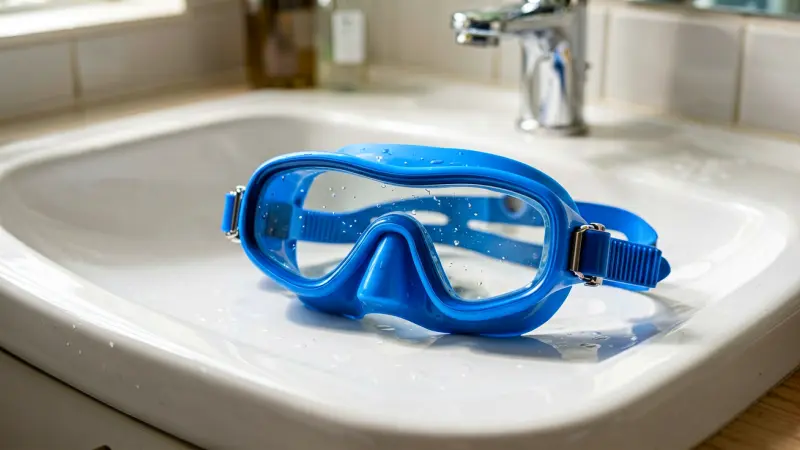
One frequent error is assuming that any swimming goggle will suffice for showering. Many standard swim goggles are designed to allow a small amount of water to escape through the top vents to equalize pressure. This venting mechanism is excellent for swimming but disastrous for showering, as the continuous flow of water will constantly leak into the eye.
Look for models explicitly marked as “no-vent” or “tight-seal” if you are using them for bathing. Another mistake is using harsh disinfectants. Bleach or alcohol-based cleaners can degrade the silicone and polycarbonate, causing the material to crack or turn milky.
Stick to gentle cleaners to extend the life of your gear.
Finally, do not ignore the strap. The elastic strap is under tension every time the goggle is worn. Over time, the elasticity fades, causing the goggle to sit too high on the forehead, exposing the eyes.
If the strap feels loose, replace the goggle rather than stretching the strap further. A tight, well-fitting strap is essential for keeping the seal intact during the dynamic movements of washing your hair and face.
Frequently Asked Questions
Can shower goggles be used for swimming?
Yes, tight-seal shower goggles can be used for swimming, but they may feel restrictive compared to models designed specifically for aquatic sports. The lack of ventilation can lead to more fogging if you have a tendency to overheat while swimming. For dedicated swimming, a vented model is often more comfortable, but for quick showers, the no-vent design is superior.
How do I prevent fogging inside the goggle?
Fogging is caused by the temperature difference between the warm water and the cooler lenses. While anti-fog coatings help, the most effective prevention is ensuring the lenses are clean and dry before use. Applying a thin layer of saliva or a commercial anti-fog agent before starting the shower can help.
Additionally, acclimating the goggle to the water temperature by running it under a stream for a minute before putting it on can reduce the shock that causes condensation.
Are there shower goggles for people with narrow eye sockets?
Yes, most major manufacturers offer “small” or “pediatric” sizes that have a smaller lens diameter and a tighter fit. These are designed to accommodate facial structures with less volume behind the eye. If standard adult sizes feel loose or leak, trying a child-sized model is a common solution for adults with smaller facial features.
Do shower goggles block UV light?
Most modern polycarbonate lenses come with built-in UV400 protection, blocking 99% of UV radiation. This is beneficial if you are showering in an outdoor setting with clear glass walls or if you are training in open water where UV exposure is higher. However, for indoor showers, UV protection is less critical, though still a nice safety feature.
Conclusion
Shower goggles are a versatile tool that extends far beyond simple water protection. They serve critical roles in post-surgical care, allergy management, and high-intensity aquatic training. By understanding the specific mechanics of seal, material, and fit, you can choose a model that provides the comfort and hygiene protection you need.
Whether you are recovering from eye surgery or simply trying to keep the chlorine sting out of your eyes at the gym, investing in a high-quality, tight-seal goggle is a practical step toward better eye health. Maintain them properly, replace them when the seal degrades, and you will have a reliable barrier against irritation for years.
Also Read –
Adults Used to Understand When Not to Listen: Rebuilding the Lost Art of Discernment
I Feel Like I’ve Been Hit By A Train
Do Guys Use Tanning Beds? A Practical Guide to Indoor Tanning
Why Am I A Weirdo