Experiencing a tingling sensation in the buttocks during moments of stress or panic can be deeply unsettling. Many people notice these paresthetic symptoms when their body is in a state of high alert, leading to confusion about whether the issue is psychological or physical. This article breaks down why anxiety triggers this specific sensation, how it connects to muscle tension and nerve compression, and what practical steps you can take to find relief.
Why Anxiety Causes Tingling in the Buttocks
When you face a perceived threat, your nervous system activates the “fight-or-flight” response. This surge releases adrenaline and cortisol, preparing the body to either confront the danger or escape. While this reaction is useful for immediate physical threats, it causes significant tension in the musculoskeletal system.
The gluteal muscles, located in the buttocks, often tighten unconsciously as part of this global muscular bracing.
Simultaneously, anxiety alters your breathing patterns. Most people hyperventilate or take shallow breaths during a panic attack, which changes the balance of carbon dioxide and oxygen in the blood. This shift can lead to mild alkalosis, a condition that affects nerve function and can manifest as paresthesia, or tingling, in various parts of the body.
The buttocks are a common site because they contain dense clusters of muscles and nerves that are sensitive to changes in blood flow and tension.
The Role of Muscle Tension
Chronic anxiety leads to sustained contraction of the pelvic floor and gluteal muscles. Over time, this constant tightness reduces local blood flow and compresses small peripheral nerves. The resulting ischemia, or reduced oxygen supply, triggers the nerve endings to send incorrect signals to the brain.
These misinterpreted signals often feel like tingling, pins and needles, or a vague buzzing sensation. Because the glutes are large muscle groups that support posture, they bear a lot of weight, making them particularly susceptible to tension-related compression.
Hyperventilation and Nerve Sensitivity
Fast, shallow breathing during anxiety episodes lowers carbon dioxide levels in the blood. Low carbon dioxide causes blood vessels to constrict slightly, reducing oxygen delivery to tissues. It also changes the pH of the blood, which can make nerve membranes more excitable.
This heightened excitability means that nerves in the gluteal region fire spontaneously or in response to minor stimuli, resulting in the tingling sensation. This mechanism is similar to why you might feel your fingertips tingle after holding your breath for too long.

Identifying Anxiety-Related Paresthesia
Not all tingling is caused by anxiety. While paresthesia is a common symptom of high stress, it can also indicate underlying medical conditions such as sciatica, piriformis syndrome, or neurological disorders. The key differentiator is the context in which the tingling occurs.
If the sensation appears primarily during times of emotional distress, before important events, or when you are consciously worrying, it is likely linked to anxiety. If the tingling is constant regardless of your emotional state, or if it is accompanied by severe pain, weakness, or loss of bladder control, you should seek medical evaluation.
Anxiety-related tingling often comes with other physical signs of stress. You might notice jaw clenching, a tight neck, elevated heart rate, or a feeling of restlessness. The sensation in the buttocks is usually bilateral or diffuse rather than sharp and localized to a single point.
It may fluctuate in intensity, appearing worse when you sit still for long periods after a stressful day, as the combination of mental tension and physical stagnation amplifies the symptom.
Immediate Strategies for Relief
When you feel the tingling start, the goal is to reverse the physiological changes caused by anxiety. Since the tingling is driven by tension and altered breathing, addressing these two factors will often reduce the symptom significantly. You do not need to stop the anxiety completely; you just need to calm the physical response.
Box Breathing Technique
Box breathing is a simple technique that helps normalize your respiratory rate and oxygen levels. Inhale through your nose for four counts, hold the breath for four counts, exhale through your mouth for four counts, and hold empty for four counts. Repeat this cycle four to five times.
This method activates the parasympathetic nervous system, which counteracts the fight-or-flight response. As your breathing slows, the carbon dioxide levels in your blood stabilize, and the nerve excitability in the glutes decreases.
Gentle Stretching and Movement
Static tension can aggravate the tingling. Try a gentle pigeon pose or a hip flexor stretch to open up the hip and gluteal muscles. Hold each stretch for 20 to 30 seconds, breathing deeply.
If you have been sitting for a long time, stand up and walk around for two to three minutes. Movement improves blood flow to the area, reducing the compression on the nerves. Avoid aggressive stretching that causes sharp pain, as this can increase muscle guarding and make the tingling worse.
Grounding Exercises
Grounding techniques help shift your focus away from the physical sensation and back to the present moment. The 5-4-3-2-1 method is effective: identify five things you can see, four things you can touch, three things you can hear, two things you can smell, and one thing you can taste. This engages the sensory cortex and distracts the brain from the anxiety loop, often reducing the perceived intensity of the tingling.
Long-Term Management and Prevention
Managing anxiety-related tingling requires a consistent approach to reducing baseline stress levels. If you experience this symptom frequently, it may be a sign that your body is in a state of chronic hyperarousal. Developing daily habits that lower your stress response will prevent the buildup of tension that leads to paresthesia.
Incorporating Regular Physical Activity
Regular aerobic exercise, such as walking, swimming, or cycling, helps metabolize the excess adrenaline and cortisol that accumulate during anxious periods. It also improves overall circulation, ensuring that the nerves in your buttocks receive adequate oxygen and nutrients. Aim for at least 150 minutes of moderate activity per week.
For many people, even a daily 20-minute walk can significantly reduce the frequency of anxiety-induced symptoms.
Stress Reduction Practices
Mindfulness meditation and yoga are proven methods for lowering stress hormones and improving body awareness. Mindfulness encourages you to observe physical sensations, including tingling, without judgment or fear. This reduces the anxiety about the symptom itself, creating a positive feedback loop.
Yoga poses that focus on hip opening, such as butterfly pose or lying spider, can also help release chronic tension in the glutes.
Ergonomic Adjustments
If you sit at a desk all day, poor posture can exacerbate anxiety-related tingling. Ensure your chair supports your lower back and that your feet are flat on the floor. Taking short breaks to stand or stretch every 30 to 60 minutes prevents the muscles from locking into a static position.
Using a cushion that elevates the hips slightly can also reduce pressure on the glutes and improve blood flow.
Common Mistakes to Avoid
One common mistake is trying to ignore the symptom through sheer willpower. While mindfulness helps, suppressing the awareness of the tingling can sometimes increase anxiety, which in turn worsens the physical sensation. Instead, acknowledge the feeling and pair it with a calming breath.
Another error is jumping to conclusions about serious medical conditions. While it is important to monitor your health, constant fear that the tingling indicates a neurological disease can create a cycle of anxiety that perpetuates the symptom. Unless you have other red-flag symptoms like leg weakness or incontinence, it is reasonable to assume a stress-related cause initially and manage it with lifestyle changes.
When to See a Doctor
Although anxiety is a likely cause, tingling in the buttocks can also be a symptom of piriformis syndrome or sciatica. Piriformis syndrome occurs when the piriformis muscle compresses the sciatic nerve, causing tingling, numbness, or pain. Sciatica involves irritation of the sciatic nerve, which runs from the lower back through the hips, buttocks, and legs.
If the tingling is severe, persistent, or accompanied by pain that radiates down the leg, a medical evaluation is necessary.
Also seek care if you experience loss of bladder or bowel control, significant weakness in the legs, or if the tingling does not improve with stress management. These signs may indicate a more serious underlying issue that requires specific treatment.
Understanding Related Symptoms
Anxiety can manifest in many physical ways throughout the body. Tingling in the buttocks is just one example of paresthesia. Many people also experience back pain or joint cracking sounds when they attempt to relieve tension in the pelvic region.
Understanding the connection between stress, muscle tension, and joint health can help you manage these symptoms more effectively. Sometimes, the urge to crack your back or squeeze your muscles to get relief is a reflexive response to chronic stiffness, which often stems from the same anxiety-driven tension that causes tingling.
Comparison of Causes and Symptoms
It is helpful to distinguish between different causes of tingling to guide your self-care. The table below compares anxiety-related paresthesia with two common physical causes: piriformis syndrome and sciatica.
| Cause | Primary Trigger | Typical Sensation | Associated Symptoms | Relief Method |
|---|---|---|---|---|
| Anxiety/Stress | Emotional distress, hyperventilation | Diffuse tingling, buzzing, often bilateral | Palpitations, sweating, jaw tension, rapid breathing | Breathing exercises, mindfulness, stress reduction |
| Piriformis Syndrome | Muscle tightness, prolonged sitting | Localized tingling or burning in deep buttock | Pain with sitting, limited hip rotation | Gentle stretching, heat, physical therapy |
| Sciatica | Disk herniation, nerve irritation | Sharp pain, electric shock, or tingling down the leg | Back pain, leg weakness, pain radiating below the knee | Medical evaluation, specific exercises, anti-inflammatories |
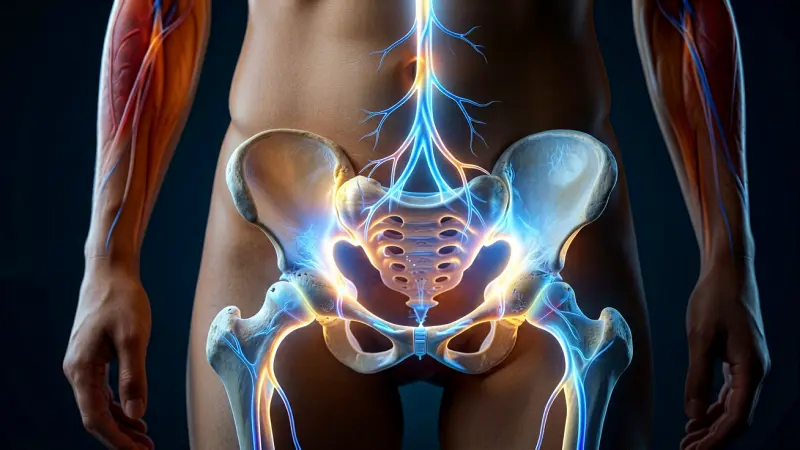
Frequently Asked Questions
Does anxiety cause real physical damage to nerves?
While anxiety can cause intense physical symptoms like tingling and pain, it typically does not cause permanent structural damage to the nerves. The symptoms are functional, arising from altered blood flow, muscle tension, and nervous system excitability. Once the anxiety subsides and the body returns to a resting state, the physical symptoms usually resolve without lasting harm.
However, chronic, unmanaged anxiety can lead to persistent muscle tension patterns that may take time to release.
Why do I only feel the tingling in one buttock?
Asymmetrical symptoms are common because muscle tension and posture are rarely perfectly balanced. You may favor one side when sitting, or one hip flexor may be tighter than the other. Anxiety can amplify these pre-existing imbalances, making the tingling more noticeable on one side.
If the asymmetry is consistent and accompanied by pain, it may be worth checking for piriformis tightness on that specific side.
Can medication for anxiety help with tingling?
Medication prescribed by a healthcare provider can help reduce the overall level of anxiety, which may indirectly lessen physical symptoms like tingling. However, medication is not a cure-all for paresthesia. It works best when combined with behavioral strategies like cognitive-behavioral therapy, breathing techniques, and regular exercise.
Always consult your doctor before starting or changing any medication.
Conclusion
Tingling in the buttocks caused by anxiety is a manageable symptom that results from the interplay of muscle tension, hyperventilation, and nervous system hyperarousal. By understanding these mechanisms, you can take proactive steps to find relief. Focus on calming your breathing, incorporating gentle movement, and reducing overall stress levels.
If symptoms persist or are accompanied by pain and weakness, consult a healthcare professional to rule out other causes. Consistent self-care and awareness of your body’s signals will help you break the cycle of anxiety and physical discomfort.