Remember when vibrant, spotted Dalmatians seemed to be everywhere? These elegant dogs, once icons of firehouses and animated films, have become a much rarer sight in local parks and neighborhoods. Many people wonder what happened to this once-popular breed, assuming they simply fell out of fashion.
The truth is far more complex, rooted in a sudden explosion of popularity that ultimately harmed the breed’s reputation. This article explores the rise and fall of the Dalmatian’s fame, delving into the specific challenges that made them unsuitable for many families and offering a guide for those who still admire this remarkable dog.
The Disney Effect: A Double-Edged Sword of Popularity
The story of the modern Dalmatian is inseparable from Hollywood. Disney’s 1961 animated classic, “101 Dalmatians,” and its 1996 live-action remake catapulted the breed to international stardom. This massive exposure created an unprecedented demand, a phenomenon often called the “101 Dalmatians Effect.”
Unfortunately, this wave of popularity had severe consequences. The sudden demand led to a surge in irresponsible breeding by individuals looking to profit from the trend. This over breeding resulted in dogs with unstable temperaments and a higher incidence of genetic health problems, problems the average owner was unprepared to handle.
From Hollywood to Heartbreak: The Reality of Ownership
Families enchanted by the charming, low-maintenance dogs on screen were met with a challenging reality. Many of these poorly-bred Dalmatians were high-strung, anxious, and not well-suited for households with small children. When the cute puppies grew into powerful, energetic adults with needs that weren’t being met, shelters saw a massive influx of surrendered Dalmatians.
This cycle of impulse buying and subsequent surrender damaged the breed’s reputation for years. Many came to incorrectly believe that all Dalmatians were aggressive or difficult, rather than recognizing the issue stemmed from unprepared owners and unethical breeding practices.
Understanding the Authentic Dalmatian: Beyond the Spots
To truly understand the Dalmatian, one must look past the cinematic fantasy and appreciate their history as working dogs. Bred to be “carriage dogs,” their job was to run for miles alongside horse-drawn coaches, guarding the passengers and horses. This historical role is the key to understanding their most defining traits.
This background shaped them into dogs with incredible stamina, intelligence, and a protective nature. They are not couch potatoes; they are athletes who thrive on activity and purpose. Understanding their innate characteristics is the first step toward providing a fulfilling life for them.
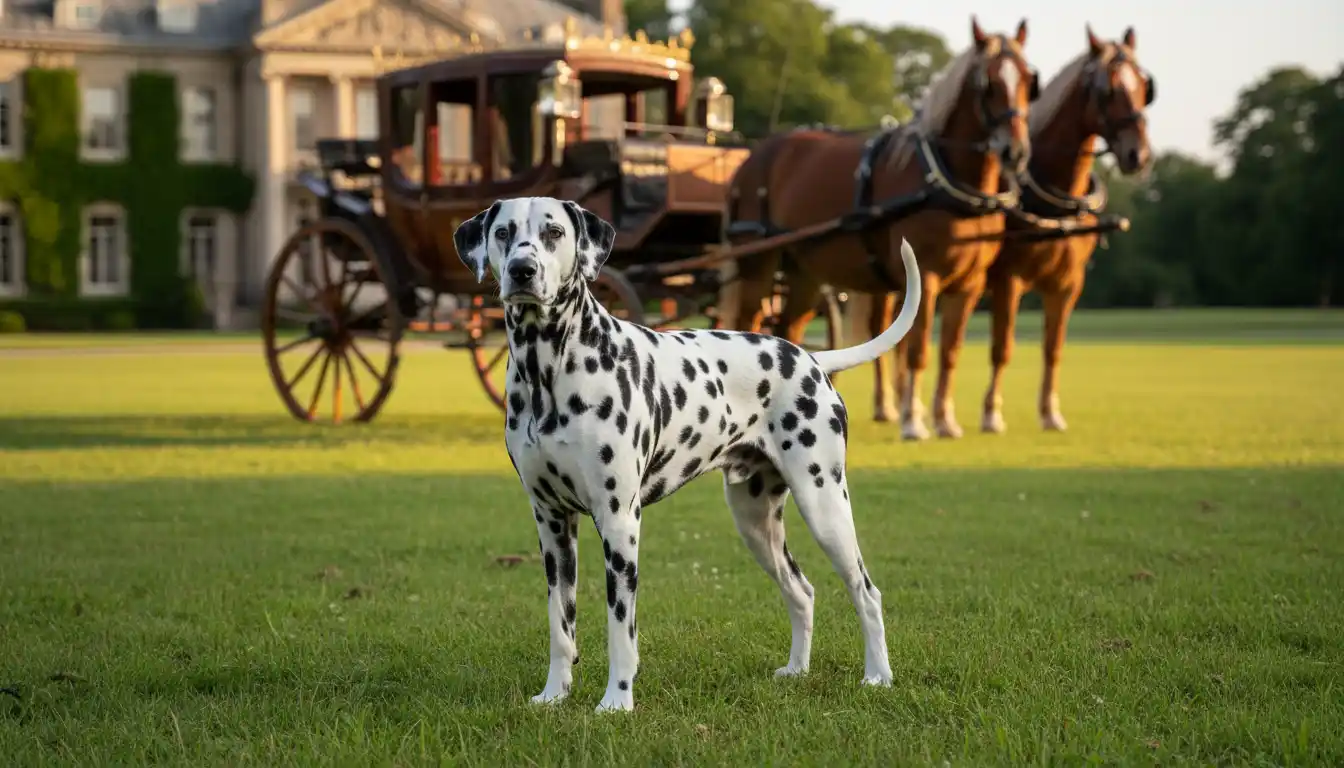
Energy and Exercise: A Non-Negotiable Need
The single most important requirement for a happy Dalmatian is exercise. Their history as endurance runners means they need at least two hours of vigorous activity every day. This is not a suggestion but a fundamental need for their physical and mental well-being.
Without sufficient exercise, they can become bored, anxious, and destructive. A simple walk around the block is not enough. They excel as partners for runners, hikers, and active families who can provide them with the space and opportunity to run.
Temperament: Intelligent, Loyal, and Sensitive
Dalmatians are highly intelligent and trainable, but they can also be strong-willed. They are loyal and form deep bonds with their families, often acting as excellent watchdogs. However, they can be reserved or aloof with strangers, a trait stemming from their history as guardians.
Early and consistent socialization is crucial to ensure they grow into well-adjusted adults. Their sensitivity means they respond best to positive reinforcement training methods; harsh techniques can lead to anxiety and mistrust.
Unique Health Considerations
Responsible ownership requires an awareness of the breed’s specific health predispositions. Many of these issues were exacerbated by the irresponsible breeding boom but are still present in the breed today. Being prepared for these potential challenges is crucial.
Some people feel that taking care of a pet’s health is as stressful as their own medical needs; they hate going to the dentist but understand the necessity of regular check-ups for their dog. This proactive approach can make all the difference in a Dalmatian’s quality of life.
| Health Concern | Description | Management & Prevention |
|---|---|---|
| Congenital Deafness | A significant percentage (up to 30%) of Dalmatians are born deaf in one or both ears. This is a genetic issue linked to their spotted coat pattern. | Reputable breeders perform BAER (Brainstem Auditory Evoked Response) testing on puppies. Training a deaf dog is entirely possible using hand signals and visual cues. |
| Urinary Stones (Urolithiasis) | Dalmatians have a unique metabolism that causes high levels of uric acid, making them prone to forming bladder and kidney stones. This can cause blockages. | A special low-purine diet is often required. Ensuring constant access to fresh water to encourage hydration is essential for flushing their system. |
| Skin Allergies | They can be susceptible to allergies from food or environmental factors, leading to itching, redness, and skin infections. | Identifying and eliminating allergens is key. Regular grooming and high-quality nutrition can help manage and prevent skin issues. |
| Hip Dysplasia | This is a malformation of the hip joint that can lead to arthritis and pain, common in many medium to large breeds. | Maintaining a healthy weight reduces stress on joints. Responsible breeders screen their breeding stock for this condition. |
Is a Dalmatian the Right Fit For Your Lifestyle?
The decline in Dalmatian popularity is, in a way, a market correction. The breed is now more likely to be owned by people who truly understand and can accommodate their specific needs. A Dalmatian is not the right choice for everyone, and that is perfectly okay.
Their needs are not compatible with a sedentary lifestyle or apartment living without significant commitment to outdoor exercise. Just as some people know i like coffee but i dont like tea, a potential owner must know their own lifestyle preferences before choosing a dog. This breed requires a significant investment of time, energy, and sometimes, finances.
The Ideal Dalmatian Owner
The ideal home for a Dalmatian is one filled with activity and companionship. They thrive with owners who are runners, hikers, or have a large, securely fenced yard for play. They do best in a home where they are not left alone for long periods, as they crave human interaction and can be prone to separation anxiety.
Potential owners must be committed to consistent training and socialization from puppyhood. The financial aspect is also a consideration; the potential for specialized diets and veterinary care means many owners i wish i was rich to comfortably cover any unexpected costs.
Finding a Responsible Breeder
The key to finding a healthy, well-tempered Dalmatian is to source one from a reputable and ethical breeder. These breeders are guardians of the breed, prioritizing health, temperament, and conformation to the breed standard over profit.
A responsible breeder will perform all recommended health screenings on their breeding dogs, including BAER testing for deafness and evaluations for hip dysplasia. They will be transparent about the challenges of the breed and will interview potential buyers thoroughly to ensure their puppies go to suitable, lifelong homes.
Frequently Asked-Questions
Why did Dalmatians suddenly become so popular?
The Dalmatian breed experienced a huge surge in popularity largely due to the 1956 novel *The Hundred and One Dalmatians* and especially the Disney animated movie adaptation released in 1961. This fame was renewed with the live-action remake in 1996, which again propelled the breed into the limelight and created a massive demand for the spotted puppies.
What happened to the breed after the movies came out?
The intense demand following the movies led to a wave of irresponsible breeding by puppy mills and unprepared breeders. This resulted in a significant number of Dalmatians with health problems and poor temperaments. Consequently, many families who acquired these dogs on impulse were overwhelmed by their high energy and needs, leading to a large number of them being surrendered to shelters.
Are Dalmatians good family dogs?
Dalmatians can be excellent companions for the right family, particularly those with an active lifestyle. They are intelligent, playful, and loyal, but their high energy levels mean they require a great deal of exercise and mental stimulation to prevent destructive behavior. Due to their energetic nature, they are often better suited for families with older children.
Do Dalmatians have common health issues?
Yes, the breed is genetically predisposed to certain health conditions. Deafness is a notable concern, as is a unique urinary condition called hyperuricosuria, which can lead to the formation of bladder stones. They can also be prone to skin allergies, hip dysplasia, and certain heart conditions.
Why don’t you see Dalmatians as often anymore?
The breed’s popularity has declined significantly since its peak. This is largely due to a greater public understanding of their demanding exercise needs, potential health problems, and the negative consequences of the overbreeding that occurred. Many people found that the reality of owning a Dalmatian was more challenging than the movie portrayal suggested.
Are Dalmatians born with their spots?
No, Dalmatian puppies are born with plain white coats. Their characteristic black or liver-colored spots begin to appear when they are around two weeks old and continue to develop as they mature. No two Dalmatians have the exact same pattern of spots.
The Enduring Legacy of the Spotted Dog
So, what happened to Dalmatians? They were victims of their own charm, propelled into a spotlight they were not suited for. The subsequent decline in popularity was a necessary and ultimately positive shift, weeding out casual owners and allowing the breed to find its place with dedicated enthusiasts who can provide the lifestyle they require.
Today, the Dalmatian remains a symbol of loyalty and endurance. For the right person, they are an unparalleled companion—intelligent, athletic, and deeply devoted. Their story serves as a powerful lesson in responsible pet ownership: a dog’s needs, not its appearance, should always be the guiding factor in choosing a canine companion.