Thrift shopping can be an affordable way to find clothing, furniture, books, and household items without buying everything new. But shopping secondhand does not automatically make every purchase ethical.
A thoughtful approach considers more than price. Where your money goes, whether you actually need the item, how you treat the store and other shoppers, and whether you will use the purchase for a long time all matter. This guide explains how to thrift with those questions in mind.
What Does Ethical Thrift Shopping Mean?
Ethical thrift shopping means making secondhand purchases with attention to their wider effects. The goal is not to achieve perfect consumption, because every purchase involves trade-offs.
Instead, it means thinking before buying. You can consider whether the item is genuinely useful, whether the price makes sense for you, where the shop’s revenue goes, and whether buying it supports the kind of shopping habits you want to maintain.
This approach also recognizes that thrift stores serve different purposes. Some are nonprofit or charity-operated, some are independent businesses, and others operate as commercial secondhand retailers.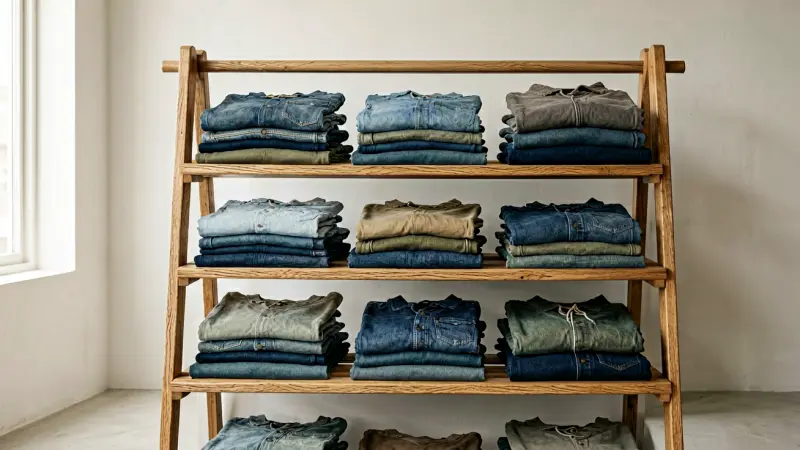
Why Shop Secondhand in the First Place?
Secondhand shopping gives an existing item another potential user instead of requiring you to purchase a new equivalent. That can be particularly useful when you need something that already exists in large quantities.
It can also make experimentation less expensive. A secondhand jacket, lamp, bookshelf, or kitchen item may let you discover whether you actually need or enjoy something before spending more on a new version.
There is another benefit that is easy to overlook: buying used can change the way you think about ownership. Instead of treating every purchase as something that must be new, you begin evaluating the usefulness and condition of the item itself.
Start With the Need, Not the Thrift Store
One of the easiest ways to make thrift shopping less intentional is to enter a store without knowing what you need. Low prices can make unnecessary purchases feel harmless.
Before shopping, write down the actual problem you are trying to solve. If you need a warm layer for winter, for example, search for a suitable garment rather than simply looking for something interesting.
This small distinction changes the experience. You become more selective and are less likely to leave with several items that seemed appealing only because they were inexpensive.
Use a Simple Three-Question Test
Before buying an item, ask yourself three questions: Would I buy this if it were not discounted? Do I have a specific use for it? Can I realistically see myself using it repeatedly?
You do not need three “yes” answers in every situation. The questions simply create a pause between finding something and deciding to own it.
Choose the Type of Secondhand Shop Carefully
Not every secondhand store has the same purpose or business model. Some stores raise money for charitable programs, while others operate as ordinary retail businesses.
If supporting a particular cause matters to you, learn how the store describes its ownership and mission. Look for information from the organization itself rather than relying on assumptions based on the word “thrift.”
Local charity shops can also have a direct connection to their communities. Independent resale stores may provide a different service by curating, repairing, or specializing in particular types of goods.
Ask Where Your Money Goes
You do not need to interrogate a shop before every purchase. However, when supporting a cause is important to you, basic research can make your spending more consistent with your values.
Check the store’s website, signage, or published information. A clear explanation of its ownership, purpose, or community activities gives you more useful information than a general assumption about what happens to sales revenue.
Do Not Treat Every Donation as Free Inventory
Secondhand stores depend on donated or acquired goods in different ways. The fact that an item entered a store without being manufactured for that specific sale does not mean the store has no operating expenses.
Sorting, cleaning, displaying, storing, staffing, rent, utilities, transportation, and other activities can all be part of running a retail operation. Prices therefore cannot be judged solely by the original acquisition cost of an item.
At the same time, shoppers can reasonably decide that a particular used item is overpriced. Ethical shopping does not require you to buy something simply because the money may support a good cause.
Be Considerate of People Who Rely on Secondhand Goods
For some shoppers, secondhand stores are a fun way to discover unusual items. For others, they are an important source of affordable clothing and household necessities.
That difference is worth remembering when shopping. Avoid behavior that deliberately prevents other customers from having a fair opportunity to browse, especially when stores have clear rules about quantities, shopping areas, or newly stocked merchandise.
You also do not need to feel guilty simply because you can afford new products. People choose secondhand goods for many reasons, including price, style, practicality, reuse, and personal preference.
The Ethics of Thrift Reselling
Reselling secondhand goods involves a genuine ethical debate. A person may purchase an item, add value through cleaning, repair, photography, research, styling, or convenient online access, and then sell it for more.
At the same time, buying desirable low-priced goods for resale can create tension when other shoppers depend on the same stores for affordable products. The circumstances matter, and there is no single rule that resolves every situation.
If You Resell Thrifted Items
Consider how you source inventory and how your activity affects the store and community around it. Respect store limits, avoid aggressive behavior toward other shoppers, and do not misrepresent an item’s condition or history when selling it.
Adding genuine value can also make the resale transaction more transparent. Repairing an item, researching its identity, presenting accurate measurements, or making it easier for a buyer to find can represent work beyond simply purchasing and relisting.
If You Do Not Resell
You can still shop thoughtfully without becoming an expert in thrift-store ethics. Focus on buying things you need and will use, rather than trying to maximize the number of bargains you can take home.
Look Beyond the Price Tag
A low price does not automatically make a purchase economical. An inexpensive shirt that remains unworn is still money spent on something that did not serve a useful purpose.
Consider condition, fit, versatility, repairability, and how frequently you expect to use the item. A slightly more expensive secondhand item can make more sense than several cheaper pieces that do not work for you.
| What to evaluate | Questions to ask | Why it matters |
|---|---|---|
| Need | Do I have a specific use for this? | Reduces impulse purchases |
| Condition | Are there stains, damage, missing parts, or unusual wear? | Prevents unpleasant surprises |
| Fit and function | Will it work properly for its intended purpose? | Helps avoid items that sit unused |
| Durability | Does the construction appear suitable for repeated use? | Supports longer ownership |
| Price | Is the used price reasonable compared with my alternatives? | Prevents assuming every thrifted item is a bargain |
| Store mission | Does this retailer’s purpose align with my priorities? | Connects spending with personal values |
| Future use | Would I still want this after the initial excitement fades? | Reduces novelty-driven purchases |
Inspect Clothing Before You Buy
Secondhand clothing deserves a closer inspection because condition can vary significantly between garments. Check seams, fasteners, hems, pockets, collars, cuffs, and areas that receive repeated wear.
Look at the garment under good lighting when possible. Small stains, fabric thinning, missing buttons, stretched elastic, or damaged closures can be easy to overlook when you are focused on the overall appearance.
Also consider whether the care requirements are realistic for you. A garment that requires more maintenance than you are willing to provide may not become a useful purchase simply because it was inexpensive.
Check the Fit Before the Price
A very low price does not compensate for a garment you will not wear. When fitting rooms are available, use them according to the store’s rules.
If trying something on is not possible, compare the garment with something you already own that fits well. Measurements can be more useful than relying on the size label alone, especially with older or differently manufactured clothing.
Be More Careful With Shoes and Accessories
Shoes require attention to both visible condition and how they have been used. Examine the soles, heels, stitching, fasteners, and interior before deciding whether they are worth buying.
Accessories can have their own inspection points. Check bags for damaged zippers and straps, examine jewelry for missing components, and inspect belts for cracks or excessive wear.
The purpose is not to make secondhand shopping complicated. A brief inspection can prevent you from paying for an item that needs more repair than you expected.
Think Differently About Furniture and Household Items
Large secondhand items deserve a practical assessment before purchase. Measure the available space when necessary and consider how you will transport the item.
Inspect joints, drawers, doors, shelves, upholstery, and other functional components. Cosmetic imperfections may be acceptable if the item works well, while structural damage can be much harder to justify.
For electrical or mechanical goods, be more cautious. Check the item’s condition, compatibility, and any available safety information before using it. If you cannot establish that an item is suitable for safe use, passing on it can be the more sensible choice.
Learn to Say No to a Good Bargain
One of the most useful thrift-shopping skills is leaving an item behind. A bargain is only useful when the item itself deserves a place in your life.
Try putting questionable items back on the rack and continuing your shopping. If you still genuinely need the item after looking at everything else, reconsider it with a clearer head.
This is especially useful for decorative objects and trend-driven clothing. These categories can create strong emotional reactions while offering relatively little practical value.
Do Not Buy Something Just Because It Is “Vintage”
Older items can be attractive because of their design, materials, history, or craftsmanship. But the word “vintage” does not automatically tell you that an item is valuable, durable, or appropriate for your needs.
Evaluate the object itself. Look at its condition, construction, function, and price rather than assuming age makes it a better purchase.
Be Thoughtful About Hygiene and Cleaning
Secondhand items can often be cleaned or maintained before use, but the appropriate method depends on the material and object. Follow care labels and manufacturer guidance when they are available.
For clothing, washing according to its care instructions may be appropriate before wearing it. Items that cannot be adequately cleaned or that have concerning odors, stains, or damage may simply not be worth taking home.
Do not assume every item can be safely restored with a household cleaning product. Delicate fabrics, finishes, electronics, and specialty materials can require different treatment.
Consider Repair Before Replacement
Ethical thrift shopping does not end at checkout. An item that needs a minor repair can sometimes remain useful for years, while a small defect does not necessarily mean an item should be discarded.
Before buying a damaged piece, however, be realistic about your ability and willingness to repair it. A cheap item that requires specialist work may cost more in time and money than a functional alternative.
Know When to Walk Away
Pass on an item when the damage affects its basic function, when repair requirements are unclear, or when the total cost is no longer attractive. The purpose of buying secondhand is not to collect unfinished projects.
If you enjoy repair work, the calculation may be different. A damaged table can be an enjoyable project for one person and an unwanted burden for another.
Donate With the Same Care You Shop With
Ethical secondhand shopping also involves thinking about what you put back into the system. Donating unwanted items can be useful when the items are actually suitable for donation.
Do not treat donation as a way to make unusable goods disappear. Check the organization’s current donation guidelines when available and separate items that are not appropriate for its collection.
If an item has a specific useful purpose, another type of organization may be more suitable than a general thrift store. For example, a community group, school, shelter, repair program, or specialized reuse organization may have different needs.
Avoid Buying More Simply Because It Is Secondhand
Secondhand shopping can reduce the emphasis on buying new, but it can still become excessive consumption. A closet full of thrifted clothing is still a closet full of clothing.
Before entering a store, consider what you already own. If several items serve the same purpose, another version may not improve your life regardless of how attractive the price looks.
Keeping your existing belongings useful can be more consistent with an intentional lifestyle than constantly searching for replacements.
Thrift Shopping and Personal Style
Secondhand shopping can be particularly useful when you want to develop personal style without relying entirely on current retail trends. Older garments and unusual household pieces can offer more variety than a narrowly defined seasonal collection.
Still, avoid buying something simply because it is unusual. A distinctive piece that does not work with anything you own may become another item that spends most of its life in storage.
Build around what you already wear or use. A secondhand purchase becomes more useful when it fits naturally into your existing collection.
How to Shop Ethically Without Becoming Overwhelmed
You do not need to investigate every item, store, brand, and supply chain before making a secondhand purchase. That standard would make ordinary shopping unnecessarily complicated.
Instead, establish a few priorities. You might care most about buying only what you need, supporting local organizations, avoiding unnecessary consumption, or keeping usable goods in circulation.
When a purchase involves a meaningful trade-off, pause and consider it. For routine purchases, a simple decision process is usually enough.
Common Ethical Thrift Shopping Mistakes
Assuming Every Thrift Store Is a Charity
The term “thrift store” describes a type of shopping experience, not a universal ownership structure. If the destination of your money matters to you, verify the individual store’s model.
Assuming Every Secondhand Purchase Is Sustainable
Buying an existing item can be preferable to buying something new in some situations, but sustainability depends on the full context. Buying things you do not need simply because they are secondhand can still encourage unnecessary consumption.
Ignoring Condition Because the Price Is Low
A bargain becomes less attractive when the item needs extensive repair, cannot be used safely, or does not perform its intended function. Condition should be evaluated before price.
Buying for an Imaginary Future
“I might wear this someday” is an easy justification for an unnecessary purchase. Buy for a realistic need or use rather than a hypothetical version of your life.
Turning Ethical Shopping Into a Moral Test
There is no need to feel that every purchase must be perfectly ethical. Different people have different budgets, needs, access, and priorities.
A practical approach is to make better-informed choices where you have genuine control. That is more sustainable than creating an impossible standard for every transaction.
Frequently Asked Questions
Is thrift shopping automatically ethical?
No. Buying secondhand can have advantages, but the ethical considerations depend on the purchase, the store, your use of the item, and the circumstances around the transaction.
Is it ethical to buy from a charity shop if I can afford new clothing?
There is no universal rule that says people with higher incomes should not shop secondhand. Consider your local context, buy what you genuinely need, and avoid behavior that deliberately limits access for others.
Is reselling thrifted clothing unethical?
Reselling raises legitimate questions about access and affordability, particularly when desirable low-priced goods are purchased specifically for resale. The ethics can depend on sourcing practices, pricing, added value, and local circumstances.
Should I only shop at nonprofit thrift stores?
Not necessarily. A nonprofit or charity model may matter to you if supporting a cause is a priority, while an independent secondhand business may provide useful services such as curation or repair.
How can I thrift without buying too much?
Start with a specific shopping list, know what you already own, and give yourself permission to leave without buying anything. Treat finding an item as an opportunity rather than an obligation.
What should I do with items I no longer need?
First consider whether someone you know can use them or whether a suitable reuse organization exists. If donating, check the recipient’s guidelines and avoid passing along items that are not acceptable for reuse.
Final Thoughts on Ethical Thrift Shopping
Ethical thrift shopping is less about following a perfect set of rules and more about becoming a more deliberate shopper. Start with a genuine need, inspect what you buy, understand the type of store you are supporting, and consider how long the item is likely to remain useful.
Respect other shoppers and the purpose of secondhand stores, especially when affordable goods matter to people in your community. If you resell, think carefully about how you source and handle inventory.
Most importantly, remember that secondhand shopping works best when it changes the question from “How much can I get for this price?” to “Does this item genuinely deserve a place in my life?”