Planning a family vacation often involves balancing logistics, entertainment, and budget, but many families also want to minimize their environmental footprint without sacrificing comfort or fun. Traveling sustainably is not about deprivation; it is about making intentional choices that benefit both the planet and your travel experience. This guide offers practical, actionable strategies for families to reduce waste, lower carbon emissions, and support local communities while keeping kids engaged and happy.
You will learn how to adjust your packing habits, choose better transportation options, and eat smarter on the go, all while saving money in the long run.
Packing Smart: Reducing Waste Before You Leave
One of the easiest places to start is in your suitcase. Standard hotel amenities like plastic bottles of shampoo and soap are major contributors to travel waste. By bringing your own reusable toiletries, you eliminate this unnecessary waste and often save money on buying travel-sized products.
Solid bars for shampoo, conditioner, and soap are highly effective and take up significantly less space than liquid containers, making them ideal for small suitcases. Many families find that packing a few solid blocks replaces an entire array of small plastic bottles, lightening the load considerably.
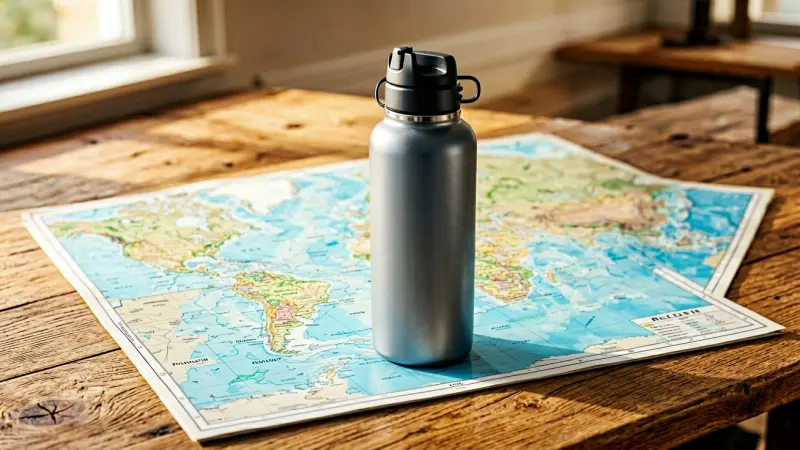
Personal items like water bottles and coffee cups represent another area where simple swaps make a big difference. Carrying a reusable stainless steel bottle for each family member stops the need to buy plastic water bottles at airports, gas stations, and restaurants. These bottles are generally more durable than plastic ones and keep drinks cold for hours.
For families who enjoy coffee or hot chocolate, insulated travel mugs prevent spills and reduce single-use cup waste. Kids often enjoy these items if they feature characters or fun designs, turning eco-friendly habits into a game rather than a chore.
Laundry is a frequent source of waste during extended trips. Instead of washing clothes in hotel machines, which uses significant water and energy, consider packing lightweight, quick-drying fabrics that can be hand-washed in a sink and hung to dry. Bringing a small, portable garment steamer or a packable iron can help wrinkle removal without the need for chemical-stained ironing boards or energy-intensive hotel appliances.
If you are staying at a resort with laundry services, ask about their processes. Many modern facilities use eco-friendly detergents and energy-efficient machines, but it is worth verifying to ensure their practices align with your sustainability goals.
Choosing Greener Transportation Options
Flight emissions are often the largest contributor to a family’s travel carbon footprint, but there are ways to mitigate this impact. When flying is unavoidable, look for airlines that have invested in fuel-efficient aircraft and sustainable aviation fuel programs. While carbon offsets are a common suggestion, their effectiveness is debated, so focus on reducing the number of flights you take by choosing destinations that do not require multiple connecting legs.
Traveling during shoulder seasons can also reduce congestion, leading to smoother travel and less stress for children.
For shorter trips, train and bus travel are often superior alternatives. Trains typically have a much lower carbon footprint per passenger mile compared to cars or planes, especially when the train is fully occupied. Train stations are usually central to cities, saving you time and money on expensive taxi rides or parking fees.
Buses are another viable option for shorter distances, offering a cost-effective way to see the countryside without the responsibility of driving. For families with small children, the space on trains is often more forgiving than cramped airplane seats, allowing them to move around and burn off energy.
Once you arrive at your destination, local transportation choices matter significantly. Ridesharing apps can be useful, but they still rely on private cars. Whenever possible, use public transit systems, rent bicycles, or walk.
Walking allows the family to explore at a slow pace, discovering local shops, parks, and landmarks that are often missed when driving. Many cities have introduced free or low-cost public transit days, which can make getting around easy and inexpensive. If you must use a car, consider renting an electric vehicle if available at your destination, which can be a great way to reduce emissions without the range anxiety associated with charging infrastructure in some areas.
Accommodation: Selecting Sustainable Stays
Choosing where to stay is a critical decision that impacts both your comfort and environmental footprint. Look for hotels and resorts that hold recognized green certifications, such as Green Key, EarthCheck, or local equivalents. These certifications indicate that the property has implemented specific sustainable practices, such as water recycling, energy-efficient lighting, and waste reduction programs.
However, do not rely solely on the label; read recent reviews to see if guests mention these practices as genuine or just marketing ploys. Sometimes, smaller boutique lodges or eco-lodges offer a more authentic sustainable experience with lower impact and better community integration than large chain hotels.
When booking, specify that you do not want daily housekeeping to save water and cleaning chemicals. Most hotels will respect this request and will clean the room only when necessary, such as every two or three days. This simple change significantly reduces the environmental load of your stay.
Check if the property offers bulk dispensers for toiletries instead of individual plastic bottles. If not, bring your own solid toiletries as mentioned in the packing section. Many families appreciate the convenience of having their own preferred brands, and it avoids the waste of unopened mini-bottles that are often thrown away.
Consider staying in rental properties that prioritize sustainability, such as those with solar power or rainwater harvesting. These options often provide a homey atmosphere that is perfect for families with children, offering more space and kitchen facilities. Cooking some meals in a fully equipped rental property allows you to buy fresh, local produce and reduce food packaging waste.
It also gives children a chance to be involved in meal preparation, turning food into a fun educational activity. Just ensure the property has reliable amenities for washing dishes and managing waste properly.
Eating Well: Minimizing Food Waste and Supporting Locals
Food waste is a significant environmental issue, and families can play a direct role in reducing it. Plan meals that allow you to finish everything you order, especially when traveling with children who may have unpredictable appetites. Ask servers for accurate portion sizes or consider sharing main courses.
At breakfast, buy fruit directly from local markets rather than pre-packaged supermarket options. This supports local farmers and reduces the packaging waste associated with retail produce. You can also ask hotels if they have a composting program for fruit peels and other organic waste.
Skip the bottled water for meals and drinks. Fill your reusable bottles from taps or public refill stations. If you are concerned about water safety in certain regions, invest in a high-quality portable water filter or purification tablets instead of relying on single-use plastic bottles.
This ensures you have access to clean water while eliminating a major source of trash. Many families find that carrying a filter bottle changes their perspective on water consumption, making it a topic of conversation and education for older children.
Support local businesses by eating at family-run restaurants rather than international chains. These establishments typically source ingredients from nearby producers, reducing the carbon footprint associated with food transportation. It is also a wonderful way to learn about the local culture and cuisine.
Families can make it a game to try one new local dish at every meal, which keeps the experience fresh and engaging. If you are staying in a rural area, consider visiting farms or community-supported agriculture (CSA) projects to see where food comes from. This hands-on learning experience can be more memorable than any museum visit for young children.
Engaging Kids in Sustainable Travel
Turning sustainability into a fun challenge is one of the most effective ways to ensure the whole family participates. Create a “Green Travel” checklist that kids can tick off as they complete eco-friendly actions, such as turning off lights when leaving a room or choosing to walk instead of taking a car. Reward them with small, non-plastic prizes like a special souvenir or extra time at a playground.
This gamification approach makes environmental responsibility feel like a team effort rather than a restriction. Discuss the impact of your choices as you make them, explaining why you are choosing the train over the car or why you are bringing your own bags. Children are remarkably receptive to logical explanations when they understand the “why” behind the action.
Use the trip as an opportunity to learn about local ecosystems and conservation efforts. Visit national parks, wildlife reserves, or botanical gardens, and teach children about the importance of protecting these spaces. Many protected areas have educational programs specifically designed for families.
Learn the names of local plants and animals and discuss how they fit into the ecosystem. If you are near the ocean, learn about coral reefs and marine life, and commit to not touching or buying items made from these organisms. This builds a sense of stewardship and respect for the natural world that can last a lifetime.
Leave no trace is a principle that applies to every adventure. Teach children to pack out all their trash, including food scraps, unless there is a designated composting bin. Keep the group together and stay on marked trails to prevent erosion and disturbance of wildlife.
This is not just about environmental protection; it is about safety and respect for the places we visit. By modeling responsible behavior, parents set a standard that children are likely to carry into their own future travels and daily lives.
Common Mistakes to Avoid
One common error is assuming that “green” always means expensive. While some sustainable products carry a premium, many eco-friendly choices actually save money in the long run. Reusable items have a higher upfront cost but eliminate the recurring expense of buying disposable alternatives.
Compare the cost of buying water every day versus filling a reusable bottle once. The math usually favors sustainability. Do not let the fear of higher costs stop you from making changes; start with small, low-cost swaps and build up from there.
Another mistake is over-packing for eco-friendliness. Bringing too many specialized reusable items can fill your luggage and make travel more difficult. Focus on versatile items, such as a cloth bag that can hold grocery purchases and a water bottle that doubles as a shower bag in some cases.
Pack only what you know you will use. If you are traveling to a place where tap water is safe and clean, you do not need a water filter bottle. Research your destination beforehand to determine which specific tools are necessary and which can be skipped.
| Travel Item | Conventional Choice | Eco-Friendly Alternative | Benefit |
|---|---|---|---|
| Hydration | Plastic water bottles | Reusable stainless steel bottles | Reduces plastic waste, saves money, durable |
| Toiletries | Mini plastic bottles from hotel | Solid shampoo/soap bars | Lighter, less waste, no liquid spills |
| Transport | Taxi/Car per trip | Public transit or walking | Lower emissions, cheaper, supports local |
| Shopping | Single-use plastic bags | Reusable canvas or mesh bags | Reduces landfill waste, durable |
| Laundry | Hotel laundry service | Hand washing with biodegradable soap | Saves water/energy, reduces chemical use |
Ignoring local customs and regulations is a significant oversight. Before visiting a new country or region, learn about the environmental rules and cultural expectations. In some areas, certain behaviors that seem harmless, like wearing bright white clothing in desert regions or bringing certain foods into national parks, are strictly prohibited to protect the ecosystem.
Ignoring these rules not only harms the environment but can also result in fines or restricted access. Do your homework on local “Leave No Trace” guidelines and respect the boundaries of protected areas.
Managing Expectations and Limitations
It is important to acknowledge that perfect sustainable travel is not always possible, and striving for it can lead to travel guilt or stress. The goal is to make the best choices available to you in a given situation. If you are traveling with a toddler who needs naps in a stroller, the logistics of walking everywhere may be difficult.
In such cases, prioritize the well-being of the child and use public transit where feasible. Sustainability should enhance the trip, not overshadow it. If a choice is inconvenient or stressful for the family, look for a middle ground.
Perhaps you use a taxi for a long stretch but walk for the last half-mile.
Be aware that not all “green” claims are valid. Greenwashing, where companies market themselves as eco-friendly without substantiation, is common in the travel industry. Read carefully and look for specific, verifiable actions rather than vague promises.
Ask questions if something seems too good to be true. Critical thinking is a valuable skill for travelers, and applying it to environmental claims ensures that your money and effort support genuine sustainability efforts. When in doubt, support smaller, local businesses where you can see the impact directly.
For families looking to integrate these habits into their daily life at home, the principles of reducing waste and mindful consumption apply everywhere. The habits formed during travel often translate into home life, leading to a more sustainable overall lifestyle. If you are interested in organizing your living space to support these changes, consider looking into minimalist home organization tips to declutter and streamline your belongings before you pack.
A lighter, more organized home makes packing for sustainable travel much easier and more manageable.
FAQs
Are electric rental cars a good option for family trips?
Electric vehicles can be a great option for reducing emissions during your stay, provided that charging infrastructure is available at your accommodation. Before booking, verify that your lodging has a charger or that public charging stations are nearby. If charging is a hassle, public transit or walking might be simpler and more efficient for shorter distances.
For long daily drives, an electric car is a significant improvement over a diesel or gas vehicle.
How do I keep my kids engaged while walking instead of driving?
Turn walking into an adventure by giving children a specific mission, such as finding five different types of birds or three different colors of flowers. You can also create a scavenger hunt list based on the local architecture or landmarks. Keep the walks shorter for younger children, allowing for frequent breaks and play.
Snacks and water should be easily accessible in a small, reusable pack to keep energy levels up without needing to stop at every kiosk.
What if my hotel does not offer green amenities?
Do not let the lack of hotel amenities stop you from traveling sustainably. Bring your own solid toiletries, reusable water bottle, and laundry bag. These items work in any situation, regardless of the hotel’s practices.
You can also ask the front desk if they have water refill stations in the lobby, which many modern hotels are starting to install. Your individual actions have a cumulative effect, even when the infrastructure is not fully in place.
How can I reduce food waste when eating out with picky eaters?
Order one main dish to share instead of a full plate for each person if the kids are unsure. Many restaurants are happy to let you taste food or start with small portions. You can also ask for leftovers to be packed in reusable containers, which you can eat later in your accommodation.
This turns a potential waste problem into a convenient snack for later. Communicate your needs to the server, as most are accustomed to accommodating children’s dietary preferences.
Conclusion
Implementing eco-friendly travel tips does not require a complete overhaul of your vacation plans. It starts with small, manageable choices like packing reusable bottles, choosing public transit for short hops, and supporting local food vendors. These actions reduce your environmental impact and often lead to a more authentic, engaging travel experience for the whole family.
By turning sustainability into a collaborative game and focusing on quality over quantity, you can create memories that are both meaningful and responsible. The most important step is to begin with one or two changes that feel realistic for your family, then build from there as you gain confidence and confidence in the process.