Learning how to find your personal style is less about choosing a fashionable label and more about noticing what you genuinely enjoy wearing. The clues are often already in your closet, from the colors you repeat to the silhouettes you reach for without thinking.
A useful personal style should also fit your real life. Your work, climate, daily activities, comfort preferences, budget, and social settings all affect what makes sense in your wardrobe.
What Personal Style Actually Means
Personal style is the recurring combination of clothing choices that feels natural to you. It can involve colors, silhouettes, fabrics, footwear, accessories, patterns, and the way you combine individual pieces.
It does not have to fit neatly into one category such as minimalist, classic, casual, vintage, sporty, or elegant. Many people naturally combine several influences rather than following one defined aesthetic.
Fashion trends can influence your choices, but they do not have to determine your wardrobe. A trend can become part of your style when you genuinely like it and can incorporate it into the way you already dress.
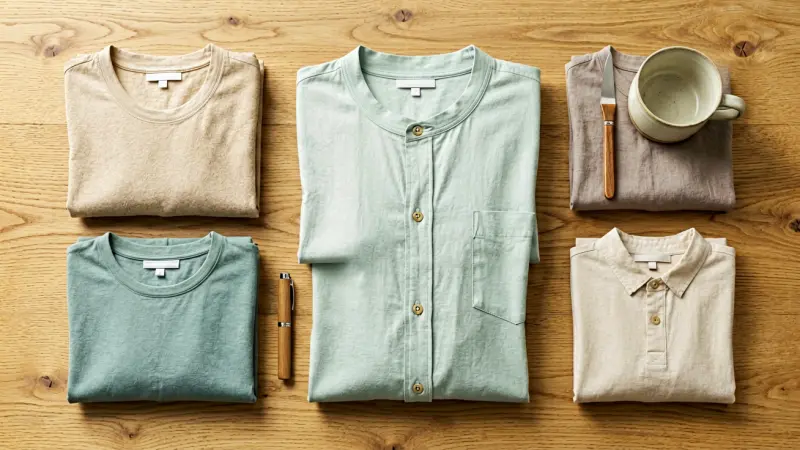
Start With the Clothes You Already Wear
The fastest way to learn about your existing preferences is to study your actual wardrobe instead of starting with a shopping list. The pieces you repeatedly choose provide more useful information than clothes you bought for an imagined version of yourself.
Look for the items you reach for when you are not trying to impress anyone. Notice which trousers, shirts, dresses, jackets, shoes, or accessories repeatedly make their way into your outfits.
Separate Favorites From Aspirational Pieces
Your closet may contain clothing that looks good in theory but rarely gets worn. Perhaps the color seemed exciting, the cut looked impressive on a mannequin, or you imagined wearing it for a particular lifestyle.
That distinction matters. A piece can be attractive without being compatible with your personal style, daily routine, comfort preferences, or existing wardrobe.
Make a simple list of pieces you wear often and pieces you consistently avoid. For each favorite, ask what makes it work: the color, fit, fabric, shape, versatility, comfort, or ease of styling.
Look for Patterns Instead of Individual Pieces
One favorite shirt does not necessarily define your style. Repeated choices are more informative because they reveal preferences that survive across different outfits.
Examine your most-worn clothing for recurring characteristics. You might discover that you prefer relaxed silhouettes, muted colors, straight-leg trousers, simple footwear, textured fabrics, or outfits with several layers.
Do the same with your least-worn pieces. If several unworn items share a particular feature, such as bright colors or restrictive cuts, you may have identified a preference rather than a temporary dislike.
Pay Attention to Silhouette
Silhouette describes the overall shape created by clothing. Some people naturally prefer close-fitting pieces, while others feel more comfortable in relaxed, oversized, structured, or flowing shapes.
You do not need to decide which silhouette is objectively better. The useful question is which proportions you enjoy wearing and which combinations make sense with the rest of your wardrobe.
Notice Your Color Patterns
Look at your closet as a group rather than judging each garment separately. You may find that most of your clothing falls into a small group of colors even if you have never intentionally created a color palette.
Notice both your favorite colors and the colors you repeatedly avoid. A wardrobe can be colorful without using many different colors if you consistently combine a few shades in different ways.
Identify Your Preferred Details
Small details can become an important part of personal style. Think about collars, pockets, buttons, prints, stitching, jewelry, bags, belts, shoes, or other finishing touches.
You may prefer clothing that looks deliberately simple, or you may enjoy one noticeable detail that gives a basic outfit more character. These preferences can become useful style clues.
Create a Personal Style Inspiration Collection
After studying your closet, collect images of outfits that genuinely appeal to you. Save complete looks rather than collecting only individual garments, because an item that looks attractive by itself may not represent how you want to dress.
Do not worry about naming the aesthetic immediately. At this stage, focus on what catches your attention.
After collecting several examples, compare them side by side. Look for recurring colors, proportions, footwear, layering, patterns, accessories, and overall levels of formality.
Separate admiration from practicality as you review the collection. You can love the appearance of an outfit while recognizing that it does not fit your climate, activities, comfort needs, or everyday routine.
Consider the Life Your Wardrobe Needs to Support
Personal style becomes much easier to maintain when it works with your actual schedule. A wardrobe built around clothes you rarely have an opportunity to wear will eventually feel disconnected from your life.
Think about where you spend most of your time. Your clothing needs may differ substantially if your week consists mainly of school, office work, outdoor activities, social events, travel, or time at home.
Also consider your local climate and the practical conditions you encounter. Clothing that looks appealing but feels uncomfortable in your normal environment will probably spend more time in the closet.
Use Your Calendar as a Style Tool
Look at a typical week and identify the situations your wardrobe must cover. You might need casual outfits most days, a few polished combinations for specific occasions, comfortable clothing for active periods, and weather-appropriate layers.
This prevents you from building a style around rare occasions. Your personal style should appear in ordinary outfits as well as more dressed-up ones.
Choose Three to Five Words for Your Style
Once you have identified repeated patterns, describe your preferred look using a small group of words. The words do not need to match an established fashion category.
For example, someone might choose relaxed, clean, and practical. Another person could prefer polished, colorful, and playful. Someone else might choose simple, structured, and understated.
The purpose is not to create a permanent identity. These words give you a practical filter when deciding whether a garment belongs in your wardrobe.
When considering a new item, ask whether it supports at least one of your style qualities and works with several things you already own. If it does neither, pause before buying it.
Understand the Difference Between Style and Trends
Trends can provide inspiration, but buying every trend makes it harder to see your own preferences. A trend can also look appealing in photographs while feeling uncomfortable or impractical when you wear it.
Instead of asking whether something is currently fashionable, ask whether you actually like the item and how it would interact with your existing clothes.
You can also experiment without completely changing your wardrobe. Try one unfamiliar color, silhouette, pattern, or accessory with pieces you already understand.
This approach makes experimentation more informative because you can see exactly which part of the new look works for you.
Build Outfit Formulas Instead of Chasing Complete Looks
An outfit formula is a repeatable combination that gives you a reliable starting point. It is not a uniform that you must wear identically every time.
For example, your formula could involve a simple top, relaxed trousers, and practical shoes. Another might combine a structured outer layer with a basic shirt and jeans.
The value of a formula is that it separates personal style from constant novelty. Once you know the combinations you enjoy, you can change colors, fabrics, or accessories without rebuilding your wardrobe from scratch.
| Style clue | What to examine | Useful question |
|---|---|---|
| Silhouette | Fitted, relaxed, structured, or flowing shapes | Which proportions do I naturally enjoy wearing? |
| Color | Repeated neutrals, bright shades, soft tones, or dark colors | Which colors do I reach for repeatedly? |
| Details | Patterns, collars, buttons, pockets, jewelry, and accessories | Do I prefer subtle or noticeable details? |
| Footwear | Sneakers, boots, flats, sandals, or other regular choices | Which shoes make my outfits feel complete? |
| Formality | Casual, polished, relaxed, or dressy combinations | How formal do I actually enjoy dressing? |
| Fabric and texture | Soft, crisp, smooth, textured, lightweight, or substantial materials | Which fabrics feel and look right to me? |
Use Fit as Information, Not a Fixed Rule
Fit strongly affects how a garment looks and feels, but there is no single fit that everyone should prefer. The useful goal is understanding which proportions and levels of ease you enjoy.
Try comparing similar garments with different cuts. A relaxed shirt, a more structured shirt, and a closer-fitting shirt can create very different outfits even when they share the same color.
Pay attention to comfort as well. If you constantly adjust an item, avoid sitting comfortably in it, or choose something else whenever it is available, that is useful information about your preferences.
Do not let a style label convince you to keep wearing something that does not work for your real needs. Personal style should help you make choices, not trap you inside a category.
Experiment Before You Buy More
Shopping is not the only way to develop your style. Your existing wardrobe can provide plenty of opportunities for experimentation.
Try combining pieces that you normally wear separately. Change the proportion of an outfit, introduce an accessory, layer two familiar items, or wear a favorite piece with a different type of footwear.
Take photos of combinations you like. Photographs can reveal patterns that are difficult to notice while looking at yourself in a mirror, especially when you compare several outfits together.
Keep the experiments that feel natural and discard the ones that do not. There is no requirement to turn every experiment into part of your permanent wardrobe.
Use a Style Test Before Shopping
Before buying something, ask yourself a few practical questions. Would I choose this item if it were not currently popular? Can I name several outfits using clothes I already own?
Consider whether the item fits your normal activities and whether you genuinely like its color, shape, and details. Also ask whether you are buying it because it complements your style or because you hope it will create an entirely different one.
The last question can be especially useful. Buying for an imaginary lifestyle can produce a closet full of attractive clothes that rarely get worn.
Do Not Confuse Personal Style With a Large Wardrobe
A recognizable style does not require a huge collection of clothing. In fact, understanding your preferences can make a smaller wardrobe easier to use because more of your pieces share compatible characteristics.
You may find that several combinations can be created from a relatively consistent group of colors, silhouettes, and footwear. That does not mean you need to follow a capsule wardrobe approach, only that coherence can make dressing simpler.
If you already enjoy simplifying your closet, your personal style can work alongside that approach. Your personal growth reading list may also inspire broader reflection on habits and preferences, but style itself can be explored through everyday observation.
Common Mistakes When Finding Personal Style
Copying Someone Else Too Literally
An outfit can look excellent on another person and still feel wrong for you. Inspiration is useful when you study what you like about a look rather than attempting to reproduce every element.
Break an outfit into components. You may discover that you like the color combination but not the silhouette, or the layering but not the level of formality.
Buying a Whole New Wardrobe
A complete wardrobe replacement can hide the information your existing clothes already provide. Before replacing everything, identify what is working and determine what is actually missing.
Sometimes the problem is not a lack of clothes. It may be that your existing pieces are difficult to combine because they were purchased without a consistent direction.
Forcing Yourself Into One Aesthetic
You do not need to choose between categories such as classic, casual, minimalist, vintage, or sporty. Your style can contain elements from several categories.
Trying to fit every outfit into one label can also make normal experimentation feel like failure. Style can be consistent without being rigid.
Ignoring Comfort
Clothing that looks appealing but consistently feels uncomfortable is unlikely to become a regular part of your wardrobe. Comfort does not have to mean sacrificing visual interest.
Instead, identify the specific source of discomfort. It might be the fabric, construction, tightness, length, footwear, weather suitability, or simply that the item does not match how you like to move.
Shopping Before Defining Your Preferences
Buying first and figuring out your style afterward can create unnecessary clutter. A short period of observation can give you a clearer idea of what deserves space in your wardrobe.
What to Do When You Like Several Different Styles
Having several style interests is not a problem to solve. The goal is to find the common elements that connect them.
Imagine that you like minimalist outfits, vintage pieces, and sporty footwear. Instead of choosing one category, look for shared characteristics such as simple colors, relaxed proportions, or practical accessories.
You can also assign different style expressions to different situations. Your work clothes do not need to look identical to your weekend clothes for both to feel like they belong to you.
What to Do When Nothing Feels Like You
If your wardrobe feels disconnected from your identity, start with your most comfortable outfit rather than your most fashionable one. Ask what you like about it and build outward from those characteristics.
You can also return to your inspiration collection and remove images that you admire only because they look impressive. Keep the outfits you could genuinely imagine wearing during your normal life.
Another useful approach is to stop looking for a perfect label. You may understand your style more clearly through individual preferences than through a single aesthetic name.
Let Your Personal Style Change
Personal style does not need to remain identical throughout your life. Changes in work, interests, activities, climate, budget, and daily routine can naturally affect what you want to wear.
A useful wardrobe can evolve without becoming completely different. You can keep the characteristics you still enjoy while gradually introducing new proportions, colors, materials, or levels of formality.
If your interests are changing more broadly, your wardrobe can change with them. Personal development does not require abandoning everything you previously liked, and neither does developing a new way of dressing.
A Simple Personal Style Exercise
Set aside some time to review your wardrobe without shopping. Select several outfits you genuinely enjoy wearing and write down the characteristics they have in common.
Then choose three to five words that describe those recurring qualities. Compare the words with your inspiration images and remove any that do not appear consistently in either your real wardrobe or your genuine preferences.
Next, create a few outfit formulas using clothes you already own. Photograph the combinations you like and keep them as references for days when deciding what to wear feels difficult.
Finally, use your style words and outfit formulas as a filter for future purchases. This turns personal style from an abstract idea into a practical decision-making system.
Frequently Asked Questions
How long does it take to find your personal style?
There is no fixed timetable. Some preferences become obvious quickly, while others emerge through repeated experimentation and observation.
You do not need to wait until your style feels perfectly defined before using what you have learned. A few clear preferences can already make dressing and shopping easier.
Can personal style change over time?
Yes. Your preferences and clothing needs can change as your circumstances change. A useful personal style framework should be flexible enough to accommodate those changes.
Do I need to follow a specific fashion aesthetic?
No. Aesthetic labels can be useful vocabulary, but they are optional. Your personal style can combine characteristics from several different fashion categories.
How can I find my style without spending money?
Start by studying your existing wardrobe and collecting inspiration. Experiment with different combinations, photograph outfits you like, and identify recurring colors, silhouettes, details, and proportions.
You can learn a great deal about your preferences before purchasing anything new. Shopping becomes more useful once you understand what you are actually looking for.
What if I like clothes that do not seem to match?
Look for a common thread rather than trying to make every piece belong to the same category. Color, proportion, texture, simplicity, or accessories can connect otherwise different outfits.
Personal style does not require every garment to look similar. It requires your choices to make sense to you.
How to Keep Developing Your Style
Once you have a clearer idea of your style, keep observing rather than constantly rebuilding. Notice which new purchases become favorites and which ones remain untouched.
When something fails, treat it as useful information. Maybe the color was right but the fit was wrong, or the garment looked good alone but did not work with your existing clothes.
Over time, these observations create a personal set of rules based on your actual preferences. Those rules can make future wardrobe decisions more deliberate without turning clothing into a rigid checklist.
Conclusion
Learning how to find your personal style starts with observation rather than shopping. Study the clothes you already wear, identify recurring colors and silhouettes, collect inspiration, and consider how your wardrobe needs to function in everyday life.
Then turn those observations into a few style words and repeatable outfit formulas. You do not need one perfect aesthetic or a completely new closet. The most useful style direction is the one that reflects your preferences while remaining practical enough to live in.