Choosing between IHOP and Denny’s is less about finding the “better” restaurant and more about matching the experience to your specific breakfast needs. While both are iconic American diners found in nearly every state, they operate with distinct philosophies, menus, and atmospheres that lead to very different dining experiences. For many travelers and locals, the decision hinges on whether you prioritize speed and value or traditional comfort food and a cozy vibe.
This comparison breaks down the key differences to help you decide where to pull your car into next time you are hungry for a hearty meal.
Atmosphere and Vibe: Fast-Casual vs. Classic Diner
The first major differentiator is the physical environment of each location. Denny’s has aggressively positioned itself as a fast-casual, family-friendly dining destination. The interiors are often bright, open, and designed for quick turnover, with a strong emphasis on convenience features like in-car serving windows.
The vibe is utilitarian and energetic, making it a popular choice for groups of children, late-night drivers, and those in a rush. It feels more like a hybrid between a fast-food joint and a sit-down restaurant.
IHOP, or International House of Pancakes, leans harder into the classic American diner aesthetic. The lighting is typically warmer, the booths are more numerous, and the decor often includes subtle nods to mid-century Americana. While still casual, the pace of service is generally slightly more relaxed than at Denny’s.
This makes IHOP a frequent choice for couples, date nights, or small groups who want to sit and chat without feeling rushed by a high-traffic crowd. The atmosphere is cozy but not necessarily luxurious, appealing to those who view breakfast as a leisurely activity rather than a fueling stop.
Menu Philosophy and Signature Items
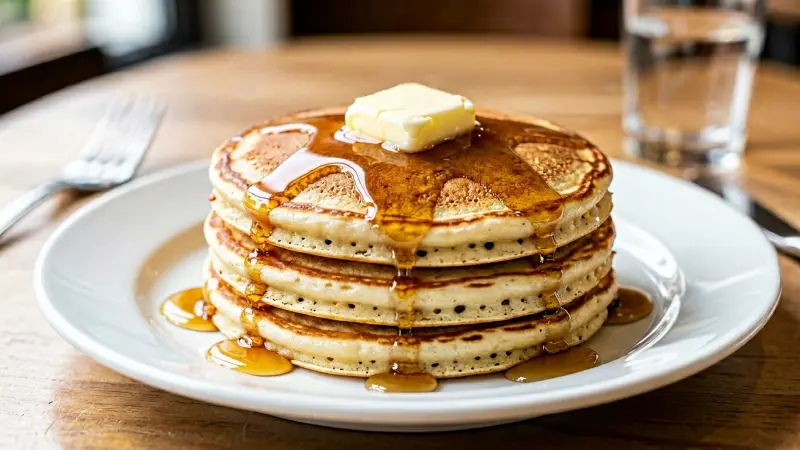
Both chains have massive menus, often spanning over 100 items, but their core identities are built on different foundations. IHOP is, as the name suggests, fundamentally a pancake house. Their signature item is the stack of buttermilk pancakes, which are widely considered the gold standard for chain diners.
The batter is thick, tall, and highly customizable with various toppings and syrups. If your primary goal is to eat pancakes, IHOP offers deeper variety in that specific category, including options like crepes and waffles that are often better executed than at competitors.
Denny’s, on the other hand, markets itself as a “breakfast, lunch, and dinner” destination. While they serve excellent pancakes, their reputation is often built on variety and value. They are known for their “Denny’s Diner Salad,” which has become a cult favorite, and their hearty meat-focused dishes.
The menu is designed to satisfy almost any craving at any hour, with a slightly stronger emphasis on non-breakfast items like burgers, fries, and salads. For a diner who wants a burger at 4 AM, Denny’s is often the go-to choice due to its consistent 24-hour availability, whereas IHOP locations typically close around 12 PM or 1 AM.
Breakfast Specials and Daily Deals
Both chains use daily specials to drive traffic, but the structure differs. IHOP often features its “Breakfast for a Dollar” or similar value meals, which usually include a pancake stack and a breakfast drink. These are designed to be low-cost, high-satisfaction anchors.
Denny’s counters this with its “Daily Diner” or “5 for 5” concepts, offering five bite-sized or small-course items for a low price. This allows patrons to sample a variety of dishes rather than committing to a single large plate. If you like to graze, Denny’s value menu is superior.
If you want a substantial, filling meal for under $10, IHOP’s core breakfast items often deliver more volume.
Service Speed and 24-Hour Availability
Time of day is a critical factor in the IHOP vs Denny’s debate. Denny’s is famous for being open 24 hours a day at most locations. This makes it an indispensable partner for night shift workers, long-haul truck drivers, and those dealing with sleep deprivation.
The kitchen is equipped to handle the late-night lull and the early morning rush with equal efficiency. IHOP locations vary significantly; some are 24 hours, but the vast majority operate on limited hours, usually opening early in the morning and closing in the afternoon or early evening. Before relying on IHOP for a late-night meal, always check the specific location’s hours.
Speed of service also leans toward Denny’s, particularly during off-peak hours. Their digital ordering systems and streamlined kitchen setups are optimized for rapid turnaround. At IHOP, the focus is slightly more on presentation and customization, which can add a few minutes to the wait time.
For a hurried traveler, Denny’s in-car service is a game-changer, allowing you to grab your food without leaving the car. IHOP rarely offers in-car service, meaning you must step out to order, which is a minor but noticeable inconvenience in bad weather.
Price Point and Value Proposition
While prices at both chains are broadly similar, the perceived value differs based on what you order. A basic breakfast at both places will range between $8 and $12. However, Denny’s tends to offer more small items for the same price, making it better for sharing or sampling.
IHOP tends to offer larger portions of their core items, such as a bigger stack of pancakes or a larger omelet. If you are eating for yourself and want to feel fully satiated by the volume of food, IHOP often provides more “bang for your buck” on hearty dishes. If you are splitting a meal or want variety, Denny’s smaller portion sizes make the pricing feel more flexible.
Nutritional Considerations and Healthier Options
Both diners have faced criticism for serving high-calorie, high-fat, and high-sodium meals, which is standard for the genre. However, both have made strides in recent years to offer lighter options. Denny’s has a dedicated “Grill Master” menu and many lower-calorie entrées that are clearly labeled.
Their salads and grilled chicken options are well-known. IHOP has also updated its menu to include grilled items and fresh fruit sides, but their core identity remains centered on butter, syrup, and fried sides. For a health-conscious eater, it is significantly easier to construct a balanced, lower-calorie meal at Denny’s due to the sheer number of non-fried, non-saucy options available.
At IHOP, it requires more intentional selection to avoid defaulting to heavy, carb-dense plates.
Comparative Summary
The table below outlines the key operational and experiential differences between the two chains to help you make a quick decision.
| Feature | Denny’s | IHOP |
|---|---|---|
| Primary Vibe | Fast-Casual, Family-Friendly, 24/7 | Classic Diner, Cozy, Typically Daytime |
| Signature Item | Diner Salad, Variety Menus | Buttermilk Pancakes, Omelets |
| Hours | Mostly 24 Hours | Usually 6 AM – 12 PM/1 AM (Varies) |
| In-Car Service | Widely Available | Rarely Available |
| Portion Style | Small/Variety-Oriented | Large/Hearty-Oriented |
| Best For | Late Night, Kids, Value Seekers | Date Night, Pancake Lovers, Daytime |
Common Mistakes When Choosing Between Them
One frequent error is assuming that menu availability is identical at both locations. While they share many items like bacon, eggs, and hash browns, specific preparations differ. For example, Denny’s offers a wide array of breakfast sandwiches that IHOP does not, and IHOP’s crepe options are largely absent from Denny’s menus.
Ordering a specific item without checking the local menu can lead to disappointment. Another mistake is underestimating the wait time at IHOP on weekends. Because it is a popular destination for leisurely weekend breakfasts, lines can be long.
Denny’s, while busy, handles volume more efficiently due to its fast-casual model.
Travelers should also be mindful of the quality of fried items. Both chains fry to order, but Denny’s tends to have slightly more consistent freshness due to higher turnover rates, whereas IHOP may have less frequent deep-frying cycles if the restaurant is quiet. If you crave crispy onion rings or fresh-cut fries, Denny’s often delivers a crisper result.
This is a subtle but noticeable difference for those who prioritize texture in their sides.
Practical Guidance for Specific Scenarios
If you are driving through the middle of the night after a long road trip, Denny’s is the logical choice. The 24-hour status ensures you will find open doors, and the in-car service allows you to stay in your warm vehicle while you wait. The bright lighting is a plus in the dark.
Conversely, if you are in a small town for a Saturday morning and want to sit with a cup of coffee for an hour without feeling pressured, IHOP is superior. The slower pace and more intimate booth seating support that leisurely intent. For families with young children, Denny’s offers more flexibility in terms of quick table turns and often more kid-friendly play areas or easier-to-clean surfaces.
IHOP is fine for kids, but the longer wait times can lead to fussy children if the service is slow.
Handling Customization and Dietary Restrictions
Both chains allow for significant customization, but Denny’s is generally better equipped to handle dietary restrictions such as gluten-free. Many Denny’s locations have dedicated gluten-free oats and can prepare meals in a way that reduces cross-contamination risk, though they do not have dedicated celiac-safe kitchens. IHOP has fewer specialized gluten-free options, and the shared fryer situation makes it less ideal for those with severe allergies.
If you have specific dietary needs, Denny’s usually offers a safer and more accommodating menu structure.
FAQs About IHOP vs Denny’s
Which diner has better coffee?
Both chains serve strong, robust coffee that is free with any food purchase. The quality is quite similar, as both use commercial-grade beans and large urns. Personal preference often comes down to the temperature and the ratio of milk to coffee.
IHOP’s coffee is often noted for being slightly stronger and darker, while Denny’s can sometimes taste a bit milder. Neither stands out significantly above the other in terms of chain standards.
Are IHOP and Denny’s owned by the same company?
No, they are owned by different entities. IHOP is part of an investment group that includes Dine Brands Global, which also owns Cheddar’s and Outback Steakhouse. Denny’s is part of Dine Brands Global as well, but they operate as distinct brands with different management structures and supply chains.
They are competitors, not siblings under the same immediate operational banner, though they share the same parent investment vehicle.
Which is better for late-night meals?
Denny’s is significantly better for late-night meals. The majority of Denny’s locations are open 24 hours a day, ensuring food availability at any time. IHOP locations typically close by midnight or 1 AM, making it an unreliable option for those staying up past the evening hours. If you need food at 3 AM, Denny’s is the standard choice.
Do both chains have delivery apps?
Yes, both IHOP and Denny’s partner with major third-party delivery platforms like Uber Eats, DoorDash, and Grubhub. Availability varies by location. In many urban areas, you can order from both.
However, delivery fees and minimums can make the total cost higher than dining in or using in-car service. For the best value, driving to Denny’s for in-car service or sitting at IHOP for a deal on a value menu item is usually cheaper than paying delivery service fees.
Final Verdict
The choice between IHOP and Denny’s comes down to your timeline and your dietary preferences. If you are in a hurry, need 24-hour access, have young children, or want to sample a variety of small items without breaking the bank, choose Denny’s. The in-car service and fast-casual speed are unmatched.
If you want a leisurely daytime breakfast, prefer larger portions of classic comfort foods like pancakes, and want a cozy atmosphere for conversation, choose IHOP. Neither is objectively better; they are simply different tools for different hunger scenarios. Match the diner to your moment, and you will likely find the experience satisfying.