Takis have become a cultural phenomenon, with their distinctive red dust coating and intense heat ranking them among the spiciest snacks available in major retailers. The reason they taste so good to so many people is not just about the spice; it is a complex combination of texture, flavor layering, and psychological satisfaction. This article breaks down the specific ingredients and design choices that make this snack stand out from standard chips, explaining why the experience is so compelling.
The Chemistry of the Crunch and Texture
Unlike traditional potato chips, which are fried and then seasoned, Takis are rolled corn tortilla chips. This base material behaves differently when baked or fried, creating a distinct structural integrity that supports the heavy seasoning layer without becoming soggy too quickly. The corn base provides a neutral, slightly sweet flavor profile that allows the aggressive spices to shine without competing with a strong potato taste.
The surface area of a rolled tortilla is significantly larger than that of a flat chip. This geometry matters because it provides more real estate for the seasoning to adhere. When you bite into a Taka, the first sensation is the shattering of the dry, crispy tortilla.
This immediate textural contrast is a key driver of satisfaction. The brittleness of the corn shell gives way to the soft center, creating a multi-layered texture profile that keeps the palate engaged.

The Role of the Red Dust Coating
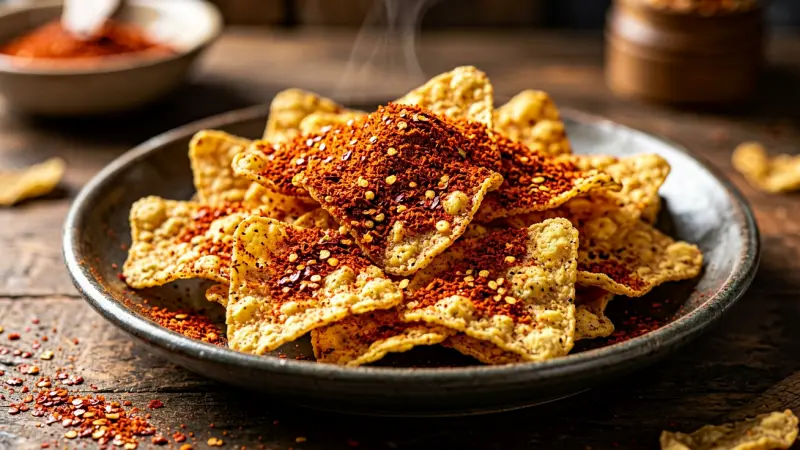
The most visible feature of Takis is the vibrant red dust. This is not just for show; it is a complex blend of spices, fats, and colorants that serves multiple functional purposes. The dust is typically made from a mixture of chili powder, paprika, and other spices, combined with ingredients like maltodextrin and vegetable oils.
This mixture is sprayed onto the chips while they are still warm and slightly moist from the frying process.
Heat helps bind the spices to the tortilla surface. If the chips were cold and dry, the powder would sit loosely on top and fall off in your hand. By applying it to hot chips, the oils in the dust melt slightly and adhere to the corn starch.
This creates a uniform coating that stays on the chip longer, ensuring consistent flavor in every bite. The specific ratio of chili to paprika is carefully balanced to provide heat without making the snack unpalatable.
Flavor Layering and the Sugar-Salt Balance
Many snacking companies struggle with the balance between heat and flavor. Too much spice can numb the tongue and prevent you from tasting anything else. Takis solve this by including sugar in their seasoning blend.
The sugar does not just sweeten the chip; it moderates the perception of heat. It allows you to experience the complex flavors of the chili and paprika without the sharp pain of capsaicin overriding your taste buds.
There is also a significant amount of salt in the blend. Salt enhances flavor molecules, making the spices taste more intense. The combination of sweet, salty, and spicy creates a flavor profile that is often described as “sticky.” This sensation keeps your mouth engaged and encourages you to eat more, as the contrast of flavors is highly addictive.
Why the Spice Profile Works
The spice blend in Takis is not just one type of chili. It typically includes a mix of dried chilies, which provide a smoky depth, and cayenne or similar hot peppers, which provide the initial kick. The smoky element from the paprika and dried chilies adds a “roasted” flavor note that mimics grilled meats or barbecue. This makes the snack taste more complex and satisfying than a simple hot chip.
The addition of garlic and onion powder, which are often found in the seasoning mix, adds an aromatic depth. These aromatics bridge the gap between the sweet corn base and the spicy dust. They make the snack taste more savory, almost like a condiment in itself. This is why Takis can feel like a complete meal rather than just a side dish.
The Psychological Factor of Heat Tolerance
For many consumers, the appeal of Takis is tied to the challenge of eating them. The intense heat triggers the release of endorphins in the brain. This is the same mechanism that makes running a marathon feel good or that makes ice cream feel so good on a very hot day. The body responds to the pain of capsaicin by releasing these natural painkillers, which create a sense of euphoria.
This psychological reward loop is a major reason why Takis are considered “good.” They are not just tasty; they are a reward for tolerating discomfort. For people who enjoy spicy food, this aspect is highly compelling. It turns a simple snack into an experience. The social aspect also plays a role, as sharing the challenge of eating Takis with friends creates a shared memory and bond.
Nutritional Considerations and the Caloric Density
While Takis taste great, they are highly caloric. The combination of corn, frying oils, sugar, and fats makes them energy-dense. A single bag of regular Takis can contain more than 2,000 calories, which is the equivalent of an entire day’s intake for many people.
This high calorie count is not necessarily a bad thing if you are an athlete or very active, but for the average person, it can lead to weight gain if consumed regularly.
It is important to understand that the “goodness” of Takis comes from their indulgent nature. They are designed to be a treat, not a dietary staple. The high sodium content, which is necessary to balance the heat and sweetness, also contributes to thirst.
This is why people often find themselves drinking large amounts of water after a bag, a phenomenon sometimes jokingly referred to as “Takis thirst.”
Comparison with Other Spicy Snacks
To understand why Takis stand out, it helps to compare them to other popular spicy snacks. Let’s look at how they stack up against Fritos Cheddar Dust and Cheetos Flamin’ Hot.
| Snack | Base Material | Primary Flavor Profile | Heat Level | Texture |
|---|---|---|---|---|
| Takis Fuego | Corn Tortilla | Spicy, Sweet, Smoky | Very High | Brittle, Rolled |
| Fritos Flamin’ Hot | Maize Corn | Spicy, Salty, Corny | Medium | Chewy, Soft |
| Cheetos Flamin’ Hot | Extruded Corn | Spicy, Cheese, Acidic | High | Crispy, Tubular |
Takis differ from Fritos in that the corn base is much more neutral. Fritos have a distinct, sometimes sweet corn taste that can clash with the spice. Takis’s rolled shape also provides a different textural experience, being more fragile and shattery.
Cheetos, on the other hand, are extruded puffs. Their internal air pockets trap flavor, releasing it slowly over time. Takis release their flavor all at once due to the heavy external coating.
Common Mistakes When Eating Takis
One common mistake is eating Takis too quickly. Because the heat builds up over time, people often start eating slowly and then accelerate, only to find themselves overwhelmed. The capsaicin in the chips accumulates in the mouth and on the tongue. Waiting a few seconds between bites allows the heat to dissipate and the flavor to reset.
Another mistake is pairing Takis with the wrong beverages. Carbonated drinks can actually increase the sensation of heat, as the carbonation can irritate the mouth further. Milk or water are better choices.
Milk contains casein, a protein that helps to neutralize capsaicin. Water helps to rinse the mouth. Pairing Takis with a cold beverage provides a contrast that makes the next bite more enjoyable.
The “Takis Thirst” Phenomenon
As mentioned, the high sodium and sugar content leads to intense thirst. This is a physiological response to the body trying to dilute the high concentration of salt in the bloodstream. If you do not drink enough fluids, you may experience bloating or discomfort. Planning your snack session with adequate hydration in mind is a practical tip for enjoying Takis without the negative after-effects.
Practical Tips for Enjoying Takis
If you are a fan of the snack, there are ways to make the experience better and more manageable. First, break the chips in half before eating them. This reduces the amount of spice you ingest at once and makes the chip easier to chew.
Second, do not let the bag sit open for long periods. The humidity from your breath can make the chips stale and the spice less potent. Keep the bag sealed until you are ready to eat.
Experiment with pairings. While water is standard, some people find that pairing Takis with a savory meal, like a taco or a bowl of soup, balances the flavor profile. The acidity of lime juice or salsa can cut through the spice.
You can also try dipping them in sour cream or guacamole. The fat in the dip coats the tongue, providing relief from the heat while adding a creamy texture that contrasts with the crunch.
Frequently Asked Questions
Why do Takis make you thirsty?
Takis are very high in sodium. When you consume a large amount of salt, your body needs to dilute it, which pulls water into your bloodstream and creates a sensation of thirst. The sugar content also contributes to dehydration. It is a natural physiological response to the high electrolyte load.
Are Takis vegan?
Most standard varieties of Takis are vegan. The base corn tortillas and the seasoning mix generally do not contain animal products. However, you should always check the label for specific variations, as some limited-edition or flavored versions might include dairy or other animal-derived ingredients. The standard red and green flavors are typically plant-based.
How to handle the heat if it gets too strong?
If the heat becomes overwhelming, stop eating immediately. Drink milk or yogurt, which contain casein to neutralize capsaicin. Avoid water, as it can spread the oil and spice around your mouth. Do not eat more food to “chase it down,” as this can add more spice. Wait for the sensation to subside naturally, which usually takes a few minutes.
Do Takis expire?
Yes, Takis have a best-by date. While the corn chips are shelf-stable, the oils in the seasoning can go rancid over time. Rancid oil has a unpleasant smell and taste and is not good for your health. If the chips smell “off” or taste metallic, it is best to discard them. The texture also degrades, becoming less crispy.
Final Thoughts on the Takis Experience
The reason Takis taste so good is a sophisticated interplay of texture, flavor chemistry, and psychology. The brittle corn base provides a satisfying crunch, while the sweet-salty-spicy dust creates a complex flavor profile that engages the palate. The heat triggers a mild endorphin release, adding a layer of psychological satisfaction that goes beyond simple taste.
Understanding these mechanics allows you to enjoy the snack more mindfully. By pacing your bites, staying hydrated, and choosing the right pairings, you can maximize the pleasure and minimize the discomfort. Takis are a modern snack classic for good reason, offering a bold experience that sets them apart from other chips and puffs.
Enjoy them as the indulgent treat they are, and savor the unique flavor journey they provide.
Related: The Story Behind John Jacob Jingleheimer Schmidt: Fact and Fiction