Slim Jims have become a cultural staple, often found in the pockets of car keys, lunchboxes, and emergency stashes. The question of why they are so addictive is not just about taste, but about a precise intersection of food engineering, sensory biology, and modern snack culture. These frankfurters are designed to trigger specific cravings that resist satiety signals, making them easy to overconsume without realizing it.
This article breaks down the specific factors that make Slim Jims highly palatable and frequent. We will explore the role of ultra-processed ingredients, the impact of high sodium and sugar levels on taste receptors, and the psychological “grab-and-go” factor that facilitates binge eating. By understanding these mechanics, you can make more informed choices about your snack habits and develop strategies to manage impulse eating.
The Engineering of Hyper-Palatability
Food scientists design ultra-processed meats to hit specific targets for flavor intensity. This concept, known as hyper-palatability, involves combining high levels of salt, sugar, and fat to create a “bliss point” where the flavor is maximized. Slim Jims rely on this principle to ensure that each bite is rewarding.
The formulation balances savory umami flavors with a slight sweetness to create a taste profile that is distinct from a regular hot dog.
The texture of Slim Jims is another engineered element. They are soft and bite-sized, requiring minimal chewing effort. This low barrier to consumption means your brain receives flavor signals faster than your stomach receives fullness signals.
This time lag allows you to consume more calories than you might if you were eating a denser, chewier food. The ease of eating without stopping for a breath or a drink contributes significantly to their addictive nature.
The Role of Sodium and Flavored Coatings
Sodium is a key driver of appetite in ultra-processed meats. While some salt is necessary for health, excessive sodium intake can stimulate thirst and cravings for salty snacks, creating a cycle of consumption. The exterior coating of a Slim Jim contains significant amounts of salt and flavoring agents.
This concentrated flavor on the outside triggers a strong sensory response, prompting you to keep eating to satisfy the taste buds.
Beyond salt, the coating often includes sugars and modified starches. These ingredients add a sticky, sweet component that contrasts with the savory meat inside. This flavor combination is particularly effective at engaging the brain’s reward system.
The contrast between sweet and salty is a well-documented driver of food liking. It creates a complex taste profile that is more satisfying than a single-note flavor, encouraging repeat consumption.
Umami and the Savory Kick
Umami, the fifth basic taste, is central to the appeal of processed meats. It is the savory taste associated with glutamates and nucleotides, which are naturally found in meat but often enhanced in processed products. Slim Jims benefit from the natural umami of beef, combined with flavorings that may include yeast extracts or other savoury compounds.
This taste signals to the body that it is consuming protein-rich food, which can heighten appetite. The “kick” you feel is often a response to this umami intensity.
Packaging and Portion Control Illusions
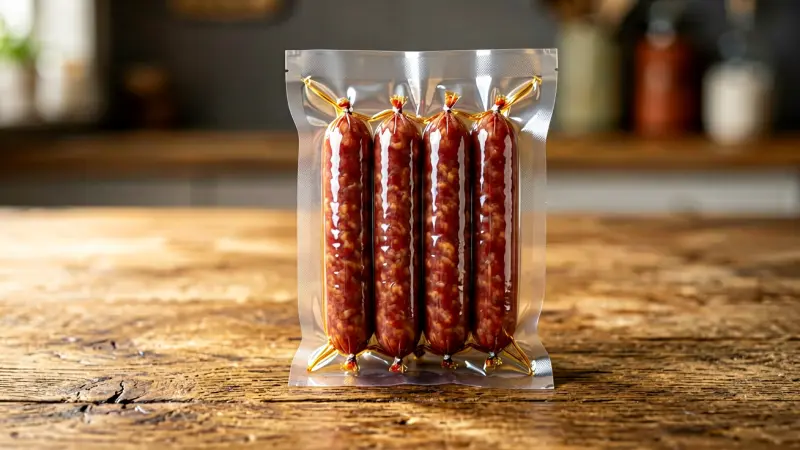
The design of the Slim Jim packaging plays a psychological role in consumption. The individual packaging is small enough to feel like a portion, yet large enough to contain multiple snacks. This creates a sense of control that is often illusory.
You might buy a pack for a specific meal, but the convenience of the sleeve makes it easy to keep the rest for later. The small size of the tubes hides the cumulative calorie count of a full pack.
Because they are portable and do not require preparation, they are accessible at all times. This availability removes the friction of cooking or preparing food. When you are hungry or bored, the snack is immediately ready.
This ease of access is a significant factor in why people snack on them during movies, drives, or breaks. The lack of prep time means there is no built-in delay that might allow you to reconsider your decision to eat.
The “One More” Trap
The bite-sized nature of Slim Jims contributes to the “one more” phenomenon. Each piece is small enough that eating it feels insignificant. This cognitive bias leads to underestimating total intake.
It is easy to eat ten or twelve without realizing the total volume. The small size also means they disappear quickly, reducing the visual cue of a large plate of food that typically helps regulate appetite. This visual disconnect is a common feature of many additive snack foods.
Comparison with Other Processed Meats
To understand the specific appeal of Slim Jims, it helps to compare them with other processed meats. Regular hot dogs are larger and chewier, often requiring more effort to eat. Deli meats are thin slices that are usually part of a larger sandwich, which provides a sense of completion.
Slim Jims occupy a unique niche: they are meat snacks that are not part of a main meal. This detachment from traditional meal structures makes them easy to add to daily intake.
| Food Item | Primary Texture | Typical Consumption Context | Satiety Signal |
|---|---|---|---|
| Slim Jim | Soft, bite-sized | Snacking, portable, movie night | Low (rapid consumption, small volume) |
| Regular Hot Dog | Dense, chewy | Fast food, street food, main meal | Medium (slower eating, larger volume) |
| Deli Slice | Thin, firm | Sandwich component | Medium (part of larger meal) |
| Nut Cheeses/Chips | Crunchy, dry | Snacking, office shelf | Medium-High (chewing effort, fiber if nuts) |
This table highlights that while all processed meats have high sodium, the consumption context differs. Slim Jims are specifically designed for snacking rather than meals. The low satiety signal compared to a regular hot dog is due to the speed of consumption and the lack of accompanying vegetables or grains.
This makes them easier to overeat than a full hot dog, which often comes with a bun and condiments that add bulk and fiber.
The Psychological Component of Cravings
Addiction to a food is rarely just about the calories. It is often about the emotional or situational trigger. Slim Jims are frequently associated with leisure activities: watching sports, long drives, or gaming.
This creates a conditioned response where the brain expects a reward during these activities. If you remove the snack, the activity might feel less enjoyable. This conditioning is a powerful driver of habitual eating.
Furthermore, the flavor profile is consistent across locations and brands. You know exactly what you are getting. This predictability reduces the cognitive load of food choice.
In a world of constant decisions, the simplicity of a known, tasty snack is appealing. The lack of variation means your brain does not need to process new sensory information, allowing it to remain in a state of low-effort pleasure.
Strategies for Managing Impulse Eating
Understanding why Slim Jims are addictive is the first step to managing your consumption. The key is to reintroduce friction. Instead of keeping a pack in your pocket, store it in a hard-to-reach place in the pantry.
This small delay can allow your prefrontal cortex to engage, helping you make a conscious decision rather than an automatic one. If you decide to eat one, prepare to stop after a single unit, rather than opening the pack to “try one.” This practice of portion control before opening the food prevents the cascade of eating the entire pack.
Incorporate alternative snacks that offer similar convenience but higher satiety. For example, pair a Slim Jim with a piece of fruit or a handful of nuts. The fiber from the fruit or the protein and fat from the nuts can slow down digestion and provide a fuller signal.
This combination approach acknowledges the craving for the savory snack while mitigating the rapid consumption and low satiety associated with eating the meat alone. You can also establish a schedule for snacking, rather than eating whenever a trigger occurs. If you are hungry, eat a balanced snack.
If you are bored, engage in a different activity. This helps break the link between emotional triggers and the specific food item.
Long-Term Health Considerations
While Slim Jims are not inherently dangerous in small quantities, regular consumption of ultra-processed meats is linked to various health concerns. High sodium intake is a major factor, as it can contribute to elevated blood pressure over time. The preservatives and added sugars also add to the cumulative load of processed ingredients in your diet.
It is not about banning the food, but about understanding the balance. If you treat these snacks as a rare treat rather than a daily staple, you reduce the risk of long-term negative effects. Monitoring your overall sodium intake is a practical step, especially if you have a family history of hypertension or heart issues.
Listening to Your Body’s Signals
One of the most overlooked aspects of food addiction is the disruption of internal hunger and satiety cues. When you eat based on external triggers (like time of day or boredom) rather than internal hunger, you lose the ability to tune into your body’s needs. Regularly eating hyper-palatable snacks can desensitize your palate to less intense flavors, making healthy whole foods seem bland.
To counteract this, occasionally fast from ultra-processed foods to reset your taste buds. This can help you appreciate the natural sweetness of fruits and the subtle flavors of vegetables, making them more satisfying and reducing the allure of the intense, salty taste of processed meats.
Frequently Asked Questions
Are Slim Jims actually bad for you?
Like all processed meats, they are high in sodium, preservatives, and saturated fats. They are low in fiber and complex nutrients. Occasional consumption is generally not a major health issue for most people, but frequent, daily intake can contribute to high sodium levels and weight gain. It is best viewed as a treat, not a staple food.
Why can’t I stop eating them once I start?
This is due to the combination of hyper-palatability, small portion size, and conditioned habits. The “bliss point” of salt, sugar, and umami stimulates reward pathways in the brain. Additionally, the small size makes it easy to lose track of how much you have eaten. The ease of access and lack of chewing effort also contribute to a continuous flow of consumption without natural stopping points.
What is a better alternative for a savory snack?
Look for snacks that combine protein with fiber or volume. Popcorn with limited seasoning, roasted chickpeas, or a small portion of raw nuts are good options. These foods require more chewing and take up more space in the stomach, leading to faster satiety signals.
If you crave the specific meat flavor, choose a smaller, leaner cut of meat or a high-protein, lower-sodium option, and pair it with vegetables to balance the nutrient profile.
Final Thoughts on Snack Addictions
Understanding the mechanics behind why Slim Jims are addictive empowers you to make better choices. It is not about willpower, but about recognizing the design elements that trick your brain and body. By adding friction to the access process, pairing these snacks with more satiating foods, and being mindful of emotional triggers, you can enjoy the taste without falling into the habit of overconsumption.
The goal is not to eliminate pleasure, but to ensure it does not become a pattern that conflicts with your health goals. Awareness is the most effective tool in breaking the cycle of mindless snacking.
Related: Why Do People Like Eddie Munson? The Appeal of Stranger Things’ Metalhead Hero