You crack open a can of cola, take a sip, and hit that sharp, coppery tang instead of the expected fizz. This metallic flavor in soda is a common annoyance that stems from several distinct sources, ranging from the cans themselves to your personal diet. If you’ve noticed this specific taste developing over time or appearing in certain brands more than others, it is not just your imagination.
The interaction between carbonated liquids and metallic surfaces creates a complex chemical environment that can alter flavor perception. This article breaks down the science behind that metallic taste, identifies which components of the beverage chain are usually to blame, and offers practical ways to minimize the effect.
The Chemistry of Carbonated Drinks and Metals
Understanding why soda tastes metallic requires looking at the chemistry of carbonation. Soda contains carbonic acid, which forms when carbon dioxide dissolves in water. This acid lowers the pH of the liquid, making it significantly more acidic than neutral water.
When an acidic liquid sits in contact with certain metals, a process called corrosion or oxidation can occur. The acid reacts with the metal surface, causing small amounts of ions to leach into the drink. These ions then interact with your taste buds, producing that distinct, sharp, or “metallic” sensation.
Not all metals react the same way. Different materials have different levels of reactivity with carbonic acid and other acidic ingredients found in sodas, such as citric or phosphoric acid. The severity of the metallic taste often depends on how long the liquid has been stored in contact with the container material.
Freshly produced soda usually has minimal metal interaction, but the flavor profile can shift as the chemical equilibrium changes over time. It is important to note that a slight mineral taste is normal, but a strong, persistent metallic flavor is an indicator of increased leaching or chemical reaction.
Why Cans Often Feel More Metallic Than Bottles
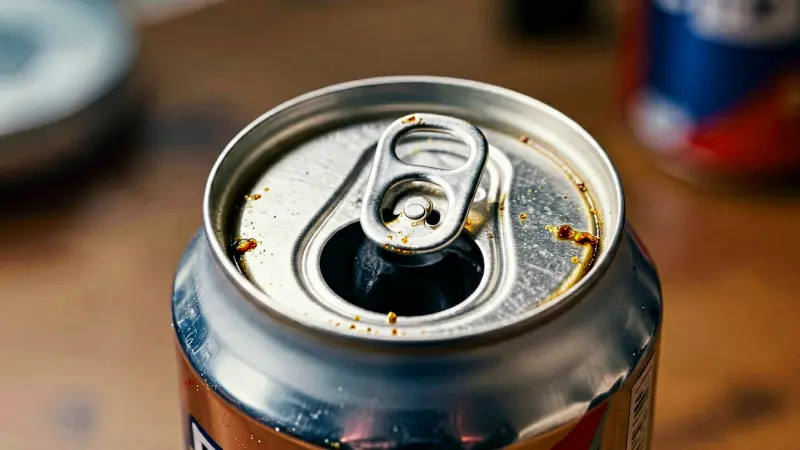
The container you buy your soda in plays a major role in its taste. Aluminum cans, which are the most common packaging for carbonated drinks, have a thin layer of corrosion-resistant coating on the inside. However, this coating is not perfect.
In some cases, small defects or wear in the lining can expose the raw aluminum to the acidic soda. When this happens, aluminum ions can dissolve into the liquid. Many people report that soda from a can tastes slightly more “tinny” or metallic compared to the same soda from a plastic bottle.
Plastic bottles, typically made from polyethylene terephthalate or PET, are non-reactive with carbonic acid under normal storage conditions. Because they do not undergo chemical oxidation with the liquid, they preserve the original flavor profile much better. If you find that bottled soda tastes cleaner while canned soda tastes metallic, the source is likely the can’s internal lining rather than the beverage formula itself.
This is why many sensitive palates prefer glass or plastic for acidic beverages. Glass is inert and provides the most neutral flavor, but it is heavier and more fragile than plastic or aluminum.
Food and Diet Factors Affecting Taste
Your recent diet can dramatically alter how soda tastes. Certain foods leave residue in your mouth that changes the baseline for flavor perception. Spicy foods, particularly those containing capsaicin, can irritate the tongue and heighten sensitivity to bitter and metallic notes.
If you ate a very spicy meal before drinking soda, the metallic taste might be an exaggerated perception of normal mineral content. Similarly, high-salt foods can dry out the mouth, reducing the natural buffering of saliva. This dryness makes the acidic components of the soda feel sharper and more abrasive, mimicking a metallic burn.
One specific dietary factor is the intake of certain minerals. Copper and iron are two elements that have a very strong association with metallic taste. If you recently consumed a large amount of oysters, shellfish, or red meat, your body’s mineral load might be higher than usual.
While these minerals do not directly transfer to the soda, the physiological state of your oral cavity and taste buds can make you more sensitive to the small traces of metal ions present in any carbonated drink. This is a temporary sensory shift, not a change in the soda itself. Adjusting your diet to include more water and less heavily seasoned food can help reset your taste perception.
The Role of Mouth Health
Oral health is a primary driver of taste anomalies. Dry mouth, or xerostomia, is a common condition that significantly impacts how you taste beverages. Saliva acts as a natural carrier for flavor molecules.
When your mouth is dry, those molecules stick to your tongue and palate differently. Without the lubrication of saliva, the sharp acidity of the soda hits your taste buds with less filtration. This can feel like a chemical burn or a metallic sting.
Dehydration is the most common cause of dry mouth, so ensuring you drink enough water between sodas can alleviate this sensation.
Gum disease and plaque buildup can also contribute to a metallic taste. Bacteria in the mouth produce sulfur compounds that have a rotten or metallic smell. When you drink carbonated liquid, the bubbles agitate these bacteria, releasing the compounds directly onto your taste buds.
If you notice that the metallic taste is accompanied by bad breath or a persistent coating on the tongue, it is worth considering a professional dental cleaning. Dealing with dental anxiety can sometimes prevent necessary cleanings, which in turn allows oral health issues to persist and worsen sensory perception. Regular brushing and flossing remove the bacterial biofilm that contributes to these off-flavors.
Storage and Handling Variables
How the soda is stored before you open it matters more than most people realize. Heat accelerates chemical reactions. If you keep soda in a hot garage or in direct sunlight, the carbonic acid becomes more reactive.
The rate of metal leaching from cans or corrosion of bottle caps increases with temperature. This means that a can left in a hot car for two hours will likely taste more metallic than one kept in a cool fridge. The heat also causes the carbon dioxide to escape faster, leading to flat soda.
Flat soda lacks the crisp bubbles that mask subtle flavor off-notes, making the underlying metallic or acidic taste more prominent.
Age of the product is another critical factor. While soda has a long shelf life, the chemical composition continues to change over time. The interaction between the liquid and the container is a slow, ongoing process.
A can of soda from six months ago will have had more time for ions to leach than one from last week. Most manufacturers date their products to ensure peak flavor, but the degradation process does not stop on a specific date. If you buy large quantities for storage, rotating your inventory ensures you are drinking the freshest products, which have the lowest risk of metallic taste development.
Specific Ingredient Triggers
Certain ingredients in soda formulas are more prone to causing metallic aftertastes than others. Phosphoric acid, found in many colas, is particularly aggressive toward metal surfaces. Citric acid, common in citrus and flavor-variant sodas, is also highly reactive.
The combination of these acids with carbonation creates a potent solvent for metal ions. If you typically drink clear sodas or diet sodas and suddenly switch to a cola, the shift in acid type might highlight the metallic quality. Diet sodas often use different sweeteners that can have a lingering chemical aftertaste, which some people describe as metallic.
Artificial sweeteners are a frequent culprit for this specific complaint. Saccharin and acesulfame potassium have known bitter or metallic profiles. These sweeteners do not taste like sugar to the tongue; they activate different taste receptors.
For people with a sensitive palate, the interaction between the sweetener and the carbonic acid can result in a distinct metallic ring. This is a common reason why diet soda drinkers often report a “weird” or “metallic” taste compared to regular soda. The sugar in regular soda provides a smoother flavor profile that masks these chemical edges.
Mineral Content of the Source Water
The water used to make the soda also plays a role. If the manufacturing facility uses water with a high mineral content, those minerals are part of the final product. Some natural spring waters have a high iron or copper content.
When carbonated, the acidity of the soda can bind with these minerals, altering their taste profile. In most cases, this is a subtle difference, but for those highly sensitive to taste, it can be noticeable. Comparing two brands of the same type of soda, such as two generic colas, can sometimes reveal this difference.
One might taste “cleaner” while the other has a heavier, metallic undertone. This is often due to the water source and the specific filtration processes used by the manufacturer.
Common Misconceptions About Metallic Taste
A frequent misconception is that the metallic taste comes from the metal of the can leaking in large quantities. In reality, the amounts of metal ions involved are microscopic and generally not harmful in a single can. The taste is a sensory perception of trace elements, not an ingestion of dangerous levels of metal.
Another misconception is that only canned soda tastes metallic. Plastic bottles can also absorb taints from the manufacturing process or from storage in poorly ventilated, hot environments. The plastic itself can off-gas certain compounds that interact with the liquid.
However, metal cans are the most common source due to the direct chemical reaction between acid and metal.
People also often confuse metallic taste with a chemical or “plastic” taste. A plastic taste is usually smooth and slightly sweet or waxy, whereas a metallic taste is sharp, bitter, and often has a tangy finish. This distinction helps in identifying the source.
If the taste is waxy, it might be a quality control issue with the bottle. If it is sharp and tangy, it is likely related to acidity and metal interaction. Understanding this difference prevents misdiagnosis of the problem and helps you choose the right solution, such as switching packaging or adjusting your diet.
Practical Solutions to Reduce Metallic Flavor
If you want to avoid the metallic taste, the most direct solution is to change the packaging. Switching from cans to glass or PET bottles is the most effective change for most people. Glass is completely inert and will not react with the soda.
It also tends to keep the soda colder for longer, which can help mask off-flavors. If glass is not an option, choose high-quality PET bottles and ensure they are stored in a cool, dark place. Avoiding direct sunlight and heat is crucial, as warmth increases chemical activity and leaching.
You can also opt for smaller packages that you consume quickly, reducing the time the liquid sits in the container.
Managing your oral environment is another practical step. Brush your teeth and tongue before drinking soda to remove any residue that might amplify the taste. Rinse your mouth with water to dilute any acidic or spicy foods you have recently eaten.
Staying hydrated helps maintain saliva flow, which buffers the impact of the soda’s acidity on your taste buds. If you are prone to dry mouth, consider sipping plain water between sodas. This resets the pH balance in your mouth and clears away any lingering metallic sensations from previous drinks.
Comparison of Packaging and Taste Impact
The table below summarizes how different packaging materials interact with carbonated acidic beverages and the typical taste outcomes. This helps in making informed choices when buying soda.
| Packaging Material | Reactivity with Carbonic Acid | Typical Taste Profile | Best For |
|---|---|---|---|
| Glass | Non-reactive (Inert) | Neutral, preserves original flavor | Sensitive palates, long-term storage |
| PET Plastic | Low reactivity, can off-gas if hot | Generally clean, slight plastic note if poor quality | Portability, everyday consumption |
| Aluminum Can | Moderate to high reactivity | Possible metallic or tinny note, especially when hot or old | Lightweight transport, recycling |
| Metal Bottle (Steel) | Varies by coating quality | Can taste metallic if coating is poor | Reusable containers for non-acidic drinks |
For those who strictly prefer the convenience of cans but dislike the taste, buying from stores with high inventory turnover is a good strategy. Large supermarkets often have older stock, while local corner stores or liquor shops might rotate their soda more quickly. Asking the staff about the delivery date can also be helpful.
Fresh stock is less likely to have developed a metallic taste. Additionally, checking the “best by” date and choosing products with the furthest date is a simple way to minimize the risk. The goal is to drink the soda as close to its production date as possible.
When to Worry About Metallic Taste
In most cases, a metallic taste in soda is harmless and related to sensory perception or packaging chemistry. However, persistent metallic taste that occurs even when drinking plain water or other neutral foods could indicate an underlying medical issue. This condition is known as parageusia, or taste distortion.
It can be a symptom of various conditions, including zinc deficiency, neurological changes, or side effects from certain medications. If you notice that all foods and drinks have a metallic taste, it is important to consult a healthcare provider. They can check your blood levels for minerals and review your medication list to identify potential causes.
Do not ignore persistent taste changes, as they can be an early indicator of health issues.
Also, if the metallic taste is accompanied by other symptoms such as nausea, dizziness, or severe mouth sores, seek medical attention immediately. While rare, exposure to high levels of metal contamination in water or beverages is a safety concern. However, commercially produced sodas are regulated and tested for safety.
The likelihood of dangerous metal contamination from a standard soda can is extremely low. The metallic taste you are experiencing is almost certainly due to the sensory interactions discussed above, not toxic exposure. Still, vigilance is key if the taste is severe, unusual, or accompanied by physical discomfort.
Frequently Asked Questions
Does drinking soda from a metal water bottle affect the taste?
Yes, it can. Pouring acidic soda into a stainless steel bottle can cause the acid to react with the metal, especially if the bottle is not specifically designed for acidic liquids. This can lead to a metallic taste developing within hours.
If you carry soda in a metal bottle, check the manufacturer’s guidelines. Many bottles are safe for soda, but others are only rated for water. To avoid this, use glass or plastic bottles for carbonated, acidic beverages.
Do not mix flavors or store acidic drinks in metal containers for extended periods.
Why does diet soda taste more metallic than regular soda?
Diet sodas use artificial sweeteners like aspartame or sucralose, which have distinct chemical aftertastes that differ from sugar. These sweeteners can have a bitter or metallic edge that is more pronounced in diet versions. Additionally, diet sodas often have a slightly different acid balance.
The combination of the sweetener’s profile and the carbonic acid can create a sensation that the tongue interprets as metallic. This is a matter of preference and sensitivity. Many people find regular soda smoother because the sugar masks these sharp notes.
Can I improve the taste of already canned soda?
Once the can is opened, the chemical reaction has already occurred. You cannot reverse the leaching of metal ions. However, you can dilute the metallic taste by mixing the soda with water or a non-acidic beverage.
Adding a slice of lemon or lime might also help, as the additional acid can shift the flavor profile and mask the metallic note. Freezing the soda before drinking can also make the taste feel less sharp, as cold temperatures dull the sensitivity of taste buds. These are temporary fixes; the best long-term solution is to choose different packaging.
Is a metallic taste in soda dangerous?
No, a slight metallic taste from a commercial soda can is not dangerous. The amount of metal involved is trace and well within safe limits. It is a sensory issue, not a health hazard.
However, if the taste is extremely strong or accompanied by other symptoms, it is wise to avoid that specific product and consider a medical consultation. In isolation, the metallic taste is a result of chemistry and perception, not toxicity. Your body can handle the small amount of ions without harm.
Focus on enjoyment and comfort rather than fear.
Final Thoughts on Managing Flavor
Dealing with a metallic taste in soda is about understanding the interplay between chemistry, packaging, and your own biology. The sharp taste you encounter is rarely a defect in the liquid itself, but rather a reaction between the acidic soda and its container, or a result of your current oral health status. Switching to glass or high-quality plastic bottles is the most effective way to eliminate the packaging-related cause.
Paying attention to your diet and oral hygiene can further reduce sensitivity to these off-flavors. By making small adjustments to how you store, buy, and consume carbonated drinks, you can enjoy the crisp taste you expect without the unwanted metallic finish.