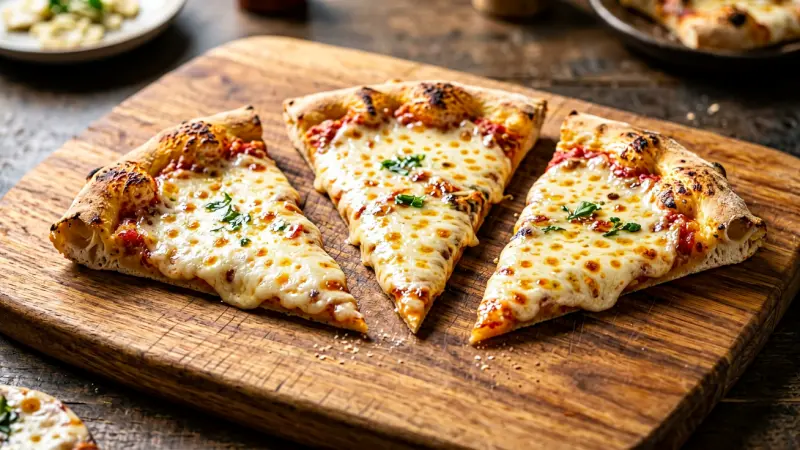
Deciding whether 3 slices of pizza too much is a matter of perspective, hinging on your daily energy needs, the type of pizza, and your physical activity level. For most adults, three standard slices amount to roughly 1,000 to 1,500 calories, which constitutes a significant portion of a typical daily intake. This guide breaks down the nutritional math, helping you evaluate if this amount aligns with your health goals or simply satisfies your hunger.
The Calorie Math: What 3 Slices Actually Contain
Understanding the energy content requires looking at the specific ingredients and preparation methods. A standard slice of a 14-inch cheese pizza typically ranges from 200 to 350 calories. When you multiply that by three, you are consuming between 600 and 1,050 calories from that single meal. However, this baseline shifts dramatically depending on the toppings and crust style.
Crust Variations and Density
Thin-crust pizzas generally have fewer calories than thick, pan-style, or deep-dish varieties because they use less dough. A slice of thin-crust might hover around 200 to 250 calories, meaning three slices total approximately 600 to 750 calories. Conversely, a slice of Chicago-style deep-dish can exceed 400 calories due to the layer of oil and dense crust, pushing three slices past the 1,200-calorie mark.
Topping Impact
Adding meats like pepperoni, sausage, or bacon significantly increases the calorie and fat count. A single slice of pepperoni pizza can add 50 to 70 calories compared to plain cheese. Vegetables add minimal calories but increase volume, which can aid satiety without the caloric penalty of fatty meats.
If you are trying to keep the total under 1,000 calories for three slices, choosing a thin crust with extra vegetables or a moderate amount of cheese is often the most effective strategy.
Is It a Lot for Your Daily Needs?
To determine if three slices is “too much,” you must compare that intake to your Total Daily Energy Expenditure (TDEE). For an average adult, daily calorie requirements range from 1,800 to 2,500 for women and 2,200 to 3,000 for men, depending on age, weight, height, and activity level. Consuming 1,000 calories in one sitting means you are using up nearly 40% to 50% of your daily allowance on a single food item.
Dietary Context Matters
If you have already consumed a large salad, a protein-heavy lunch, and other snacks throughout the day, adding three slices of pizza might push you over your maintenance weight. However, if you skipped lunch or engaged in intense exercise, that same amount might fit comfortably within your deficit or maintenance zone. The key is not just the slice count, but the total daily balance.
Consider your specific goals. For weight maintenance, three slices are fine if the rest of your day is lighter. For weight loss, you might find that two slices paired with a side of vegetables provides sufficient satiety without the excess calories that can hinder progress.
Many people underestimate how much pizza is actually on their plate; a “personal” pizza is often smaller than a slice from a large party pizza, which changes the math entirely.
Nutritional Quality and Satiety
Pizza is often criticized for being “empty calories,” but this view is slightly reductive. A slice of whole-grain crust pizza with tomato sauce, mozzarella, and vegetables provides carbohydrates, protein, and some fiber. The issue usually lies in the macronutrient ratio.
Traditional pizza is high in refined carbohydrates and saturated fats, which can lead to rapid blood sugar spikes followed by a crash, potentially making you feel hungry again sooner than if you had chosen a balanced meal with more complex carbs and lean protein.
The Protein Factor
Three slices of cheese pizza typically provide around 30 to 40 grams of protein, which is a decent amount. However, adding meats increases this to 50+ grams, which can help with muscle retention if you are active. If you are sedentary, that high protein load on a calorie-dense base might be less optimal than a lower-calorie, higher-fiber option.
For those concerned about nutritional quality, opting for a pizza with visible vegetables and a moderate cheese amount improves the micronutrient profile without drastically altering the flavor profile.
Practical Guidelines for Enjoyment
You do not need to banish pizza from your diet, but you can make informed choices that prevent it from feeling “too much” later. Here is a practical approach to managing a three-slice portion.
Start with One Slice
Wait ten minutes between the first and second slice. This allows your body’s satiety signals to catch up with your digestion. Often, the hunger pangs that drive you to the third slice are more about habit or the taste on your tongue than actual physiological hunger. If you are still hungry after one or two slices, assess your hunger level honestly.
Pair with Volume
Serve pizza alongside a large green salad or a bowl of soup. The high-volume, low-calorie food fills your stomach, reducing the likelihood of overeating the pizza itself. This strategy allows you to enjoy the taste experience without the regret that often follows a purely high-calorie meal.
Hydrate Properly
Drink water with your meal, but avoid sugary sodas or beer, which add liquid calories without increasing satiety. Salty pizza can also make you thirsty; drinking plain water helps manage the sodium load and supports digestion. If you are sensitive to gluten or dairy, consider crust alternatives or lactose-free cheese options, which can change the digestive experience significantly.
Common Mistakes to Avoid
One frequent error is assuming all slices are equal. When dining out, slice sizes vary by restaurant. A slice from a New York-style pizza is often larger and richer than a slice from a thin-crust chain restaurant.
Always estimate the size before deciding how many to eat. Another mistake is the “all-or-nothing” mentality, where people think that because they are eating pizza, they might as well eat four slices. This leads to caloric excess that is hard to recover from in the remaining day.
Additionally, eating slowly is often overlooked. Many people finish three slices in under ten minutes, which leads to a post-meal slump. Chewing thoroughly and pacing the meal improves digestion and enjoyment, making the same quantity feel more satisfying and less burdensome.
Comparing Pizza to Other Meals
To contextualize three slices, compare it to other common meals. A typical restaurant entrée might range from 800 to 1,200 calories. Therefore, three slices of pizza are equivalent to one main dish.
If you view pizza as your main course for dinner, it is comparable to a burger, steak, or pasta dish. The distinction is that pizza is often eaten over a longer period and in smaller increments, which can make it feel less like a “meal” and more like a snack, leading to portion size creep.
| Pizza Style | Approx. Calories per Slice | Calories for 3 Slices | Best For |
|---|---|---|---|
| Thin Crust Cheese | 200 – 250 | 600 – 750 | Low-calorie needs, quick lunch |
| Standard Pan Cheese | 300 – 350 | 900 – 1,050 | Standard hunger, balanced meal |
| Pepperoni Top-Ping | 350 – 400 | 1,050 – 1,200 | High protein, high flavor |
| Deep Dish | 400 – 500 | 1,200 – 1,500 | Heavy appetites, dinner replacement |
When to Consult a Professional
If you find that you are constantly overeating pizza or other high-calorie foods despite feeling full, or if you have concerns about your weight management strategies, consider speaking with a registered dietitian. They can help calculate your specific TDEE and create a meal plan that incorporates favorite foods like pizza in a way that aligns with your health goals. Professional guidance is also valuable if you have specific medical conditions such as diabetes, celiac disease, or heart disease, where the refined carbs and sodium in pizza require careful management.
Frequently Asked Questions
How many calories are in 3 slices of plain cheese pizza?
On average, three slices of standard cheese pizza contain between 900 and 1,050 calories. This estimate assumes a medium-sized slice from a commercial pizzeria. Thin crusts will be lower, while thick crusts or heavy cheese loads will be higher.
Is pizza bad for weight loss?
Pizza is not inherently bad for weight loss, but it is calorie-dense. You can include it in a weight loss plan by controlling portion size, choosing lighter crusts, and ensuring the rest of your daily intake is lower in calories. The key is moderation and balance.
Does eating pizza make you gain weight?
Eating pizza only leads to weight gain if it causes you to consume more calories than you burn over a prolonged period. A single meal of three slices will not immediately cause weight gain unless it contributes to a consistent daily surplus. Focus on your total daily caloric balance rather than single meals.
How can I make pizza more filling?
Add extra vegetables like broccoli, spinach, or mushrooms to increase volume and fiber. Pair the pizza with a side salad or vegetable soup. Fiber-rich toppings slow digestion and improve satiety, helping you feel fuller on fewer calories.
Final Takeaway
Whether three slices of pizza is “too much” depends entirely on your personal context. If it fits within your daily calorie budget and leaves room for other nutritional needs, it is a perfectly fine choice. Use the calorie estimates to guide your decisions, listen to your body’s satiety cues, and pair your pizza with voluminous, low-calorie foods to maximize satisfaction.
Treat pizza as a part of your overall diet rather than an isolated event, and you can enjoy it without the regret of overindulgence.