The question of whether skin can reattach after a cut is central to first aid and surgical planning. The short answer is that simple cuts heal by closing the gap, while detached skin flaps require specific medical intervention to survive and reattach. Misunderstanding this difference often leads to delayed treatment and poor cosmetic or functional outcomes.
This article clarifies the biological mechanisms, practical decision-making steps, and critical factors that determine whether reattachment is possible or desirable.
The Biological Reality of Wound Healing
To understand if skin can reattach, one must distinguish between two distinct healing processes: secondary intention and direct reattachment. Secondary intention involves the body healing a wound from the bottom up, using granulation tissue and scarring to fill the gap. This is the natural outcome for most deep cuts that are sutured shut.
Direct reattachment, often called flap pedicling or replantation for avulsions, requires preserving the tissue’s blood supply or surgically restoring it.
When skin is merely cut but remains attached at the edges, the body initiates inflammation and tissue repair. The epidermis cells from the wound margins migrate to cover the defect. This process is robust but slow.
However, if a section of skin is completely severed from the underlying blood supply, it becomes ischemic. Without oxygen and nutrients, the tissue dies. Dead tissue cannot reattach; it must be removed.
The viability of “reattachment” depends entirely on the state of the blood vessels feeding that specific piece of skin.
Assessing the Severity: When Reattachment Is Possible
Simple Lacerations vs. Avulsions
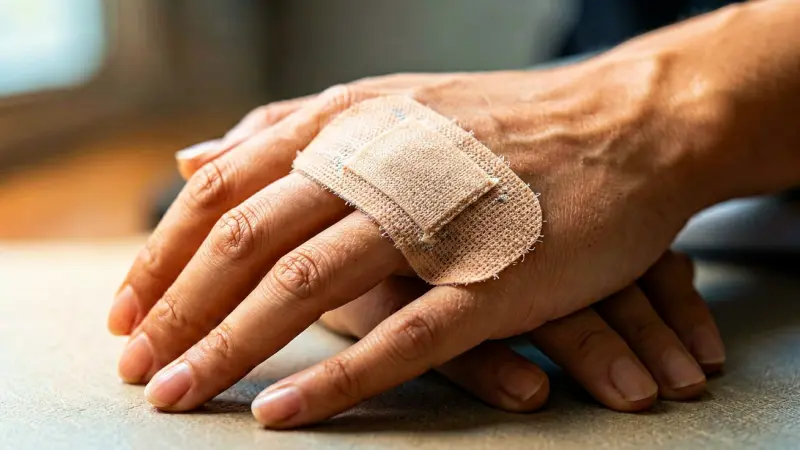
For a typical laceration where the skin is cut but the underlying fat and muscle remain intact, the “reattachment” is essentially just closing the wound. Surgeons use sutures, staples, or adhesive strips to bring the edges together. The skin does not need to “reattach” in a biological regenerative sense; it just needs to be held in place so the body can heal the connection points.
The key here is aligning the wound edges. Misalignment leads to scarring and potential functional issues, not failure of reattachment.
True reattachment scenarios involve avulsions or flap injuries. An avulsion occurs when skin and soft tissue are sheared away from the underlying structures. A flap injury involves skin that is still partially attached but hanging.
In these cases, the question shifts to whether the blood supply is sufficient. If a flap is 360-degree degloved (completely stripped), it will likely die without microsurgical revascularization. Partial flaps often have enough blood flow to survive if positioned correctly and protected from swelling.
The Role of Vascular Integrity
Survival of detached or semi-detached skin hinges on microcirculation. Small vessels, or perforators, must remain intact or be repairable. In many partial thickness injuries, these small vessels remain functional even if larger ones are severed.
This is why certain flaps can be repositioned and secured without microsurgery. The decision to attempt reattachment depends on whether these vital networks can sustain the tissue. Time is the critical variable here.
Ischemia begins damaging cells immediately after blood flow stops. The longer the tissue is without oxygen, the lower the chance of successful reintegration.
Immediate Action Steps for Potential Reattachment
If you encounter an injury where skin appears partially or fully detached, immediate action determines the outcome. The goal is to preserve tissue viability until professional care is available. Do not discard any tissue that has been cut off.
Even if it looks mangled, it may be usable for grafting or reattachment. Place the detached part in a clean, sterile container with saline or a cool, damp cloth. Do not place it directly on ice, as freezing destroys cell structure.
Keep it at a temperature similar to human body heat or slightly cooler, but not frozen.
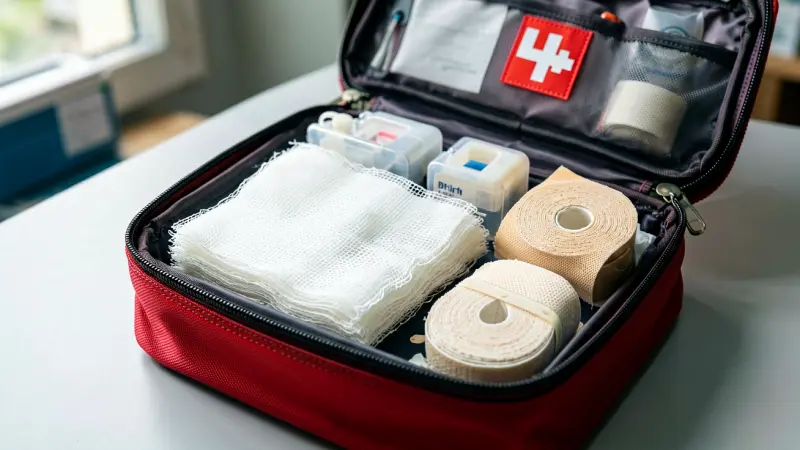
For attached flaps, stabilize them gently. Use sterile gauze to cushion the area and prevent movement. Avoid tight bandages that might cut off the remaining blood supply.
Swelling is a major enemy of reattachment. Elevate the injured body part to reduce edema. If the injury is on a limb, immobilize it to prevent further vascular damage.
These steps buy time for the medical team to assess the viability of the tissue and plan the appropriate surgical approach.
Surgical Interventions: How Reattachment Works
Microsurgical Replantation
In cases of complete avulsion, such as losing a fingertip or a section of skin on the face, microsurgery offers the best chance for reattachment. Surgeons connect severed arteries and veins to restore blood flow. This is a complex procedure requiring specialized equipment and expertise.
It is not attempted for all injuries. The decision is based on the type of tissue lost, the location, and the patient’s overall health. For example, reattaching a thumb has a different threshold for success than reattaching a middle finger, due to functional importance and vascular anatomy.
Microsurgery is rarely used for large areas of skin grafts unless the underlying bed is vascularized and the graft is a flap. Skin grafts (taking skin from one area to cover another) are not “reattachment” in the sense of putting the original piece back, but they achieve the goal of covering the wound. Flaps, which include their own blood supply, are a form of reattachment where the tissue is moved to a new location but remains connected to its original blood source or is reconnected via surgery.
Flap Repositioning
For partial flaps, the procedure is often simpler. The surgeon cleans the wound, removes any dead tissue, and repositions the flap back over the defect. The flap is then secured with sutures or staples.
The key is to ensure the flap lies flat without tension. Tension compresses the delicate microvessels, leading to ischemia and flap failure. Drainage is often placed to prevent hematoma formation, which can also cut off blood supply.
This technique preserves the original skin, which is superior for sensation and cosmetic match compared to grafts.
Factors Influencing Success Rates
Not all attempts at reattachment are successful. Several factors heavily influence the outcome. The first is ischemia time.
The longer the tissue is without blood flow, the more cellular death occurs. Neurons and other sensitive cells die within minutes to hours, while skin can survive longer, but the threshold for successful reintegration drops rapidly. The second factor is the location of the injury.
Areas with rich vascular supply, like the face, heal faster and have better chances for flap survival than areas with poor circulation, like the shins or feet. The third factor is patient health. Smokers, diabetics, and individuals with peripheral vascular disease have compromised healing capabilities, making reattachment less likely to succeed.
Infection is another critical risk. Reattached tissue is vulnerable because its defenses are compromised. Any contamination can lead to infection, which may necessitate removing the reattached skin. Therefore, clean handling and immediate medical attention are vital. The table below outlines common injury types and their typical reattachment prospects.
| Injury Type | Blood Supply Status | Reattachment Method | Success Probability | Key Constraint |
|---|---|---|---|---|
| Simple Laceration | Intact | Suturing | Very High | Edge Alignment |
| Partial Flap | Partial Intact | Flap Repositioning | Moderate to High | Swelling and Tension |
| Complete Avulsion (Small) | Severed | Microsurgery | Variable | Ischemia Time |
| Complete Avulsion (Large) | Severed | Grafting or Flaps | Lower for Direct Reattach | Vascular Repair Feasibility |
Common Mistakes That Compromise Reattachment
Many well-intentioned first-aid attempts inadvertently damage the tissue. The most common mistake is poor tissue storage. Placing detached skin in plain water, milk, or ice accelerates cell death.
Saline or a moist cloth is far superior. Another error is delayed care. Every hour of delay reduces the viability of the tissue.
If a significant portion of skin is avulsed, emergency care is needed immediately, not hours later.
Applying irritating agents like hydrogen peroxide or alcohol to the wound can damage the healthy edges and slow healing. While antiseptics are useful, they should be used gently and only as directed by medical professionals. Finally, restricting blood flow with a tight tourniquet or bandage on a flap injury can cause the flap to die.
The goal is to manage bleeding, not cut off circulation to the viable tissue. Understanding these distinctions helps laypersons provide effective initial care.
Long-Term Outcomes and Maintenance
Even after successful reattachment, the skin requires careful maintenance. Scar revision may be needed to improve cosmetic outcomes. Massaging the area helps reduce adhesion and improve mobility.
Protecting the new skin from sun exposure is crucial, as it is more sensitive to UV damage and can hyperpigment. Physical therapy is often required for limb injuries to restore range of motion and strength. The reattached skin may have altered sensation, which can persist for months or years.
Numbness is common, but in some cases, nerve regeneration leads to paresthesia or heightened sensitivity.
Patience is key. Healing is a slow process. Jumping back into activities too soon can disrupt the delicate vascular connections.
Follow-up appointments allow surgeons to monitor for complications like flap necrosis. If complications arise, secondary procedures may be required. The long-term success of reattachment depends on both the initial surgical skill and the patient’s adherence to post-operative care instructions.
FAQs About Skin Reattachment
Can skin reattach on its own without surgery?
No, severed skin cannot reattach on its own. The body does not have the mechanism to reconnect severed blood vessels or nerves automatically. While the edges of a cut can grow together if held together, a completely detached piece of skin will not reattach unless surgically placed and secured. If it is not placed back, the wound will heal by scarring or granulation tissue.
How long do I have to reattach severed skin?
The window for successful reattachment depends on the tissue type and storage conditions. For skin and soft tissue, the ideal timeframe is within 6 hours of injury. Tissue kept in a cool, moist environment remains viable longer than tissue exposed to air.
However, even within this window, success is not guaranteed. Every minute counts. Immediate medical consultation is necessary to assess viability.
What is the difference between a graft and a flap?
A skin graft involves taking skin from one part of the body and moving it to another. It has no attached blood supply and must rely on the new bed to provide nutrients. A flap includes skin and underlying tissue with an attached blood supply.
It can be moved to a new location while maintaining its own circulation. Flaps have a higher survival rate in poorly vascularized areas but are more complex to perform. Grafts are simpler but have higher failure rates in certain locations.
Is reattachment always the best option?
Not always. The decision depends on the location, the size of the injury, and the patient’s needs. In some cases, removing the avulsed tissue and healing by secondary intention or using a graft is simpler and safer.
For example, a large, contaminated avulsion on the lower leg might be better treated with debridement and grafting rather than attempting a complex reattachment that has a high risk of infection. The surgeon’s judgment balances functional recovery, cosmetic outcome, and patient safety.
Can nerve damage be repaired during reattachment?
Yes, if the nerves are severed, they can often be repaired during the microsurgical reattachment process. Nerve repair is crucial for restoring sensation and function. However, nerve regeneration is slow, occurring at a rate of approximately one millimeter per day.
Full recovery of sensation may take months or years, and some sensory loss may be permanent. The success of nerve repair depends on the length of the gap and the integrity of the nerve endings.
Conclusion
Skin can reattach after a cut, but the method and success depend on the severity of the injury. Simple cuts heal through natural closure, while detached skin requires surgical intervention to restore blood supply. Understanding the difference between these scenarios is vital for appropriate first aid and expectations.
Prompt, correct handling of avulsed tissue significantly improves the chances of successful reintegration. When in doubt, seek immediate professional medical care to preserve tissue viability and ensure the best possible functional and cosmetic outcome.
Related: Why Do I Cry When I See Old People? Understanding This Emotional Response · What Is Antiwork? Understanding the Movement, Culture, and Impact on Modern Careers · What Does 3×12 Job Mean? Understanding the Three-Twelve Work Schedule