You are walking through a grocery store, waiting at a bus stop, or sitting in a park when an elderly person catches your eye. Without warning, your throat tightens and tears fill your eyes. The reaction may feel confusing or even embarrassing, especially if you have no obvious reason to be sad.
Crying when you see old people is more common than many people realize. It does not automatically mean something is wrong with you. This article explains the emotional, psychological, and personal reasons behind this response, how to identify your own triggers, and when it may be worth talking to someone about what you are feeling.
What This Reaction Usually Means
Tears are not always a sign of sadness. Human crying serves many purposes, from releasing tension to signaling vulnerability to expressing joy. When an elderly person triggers tears, the emotion behind them can be tenderness, grief, nostalgia, compassion, or a mix of several feelings at once.
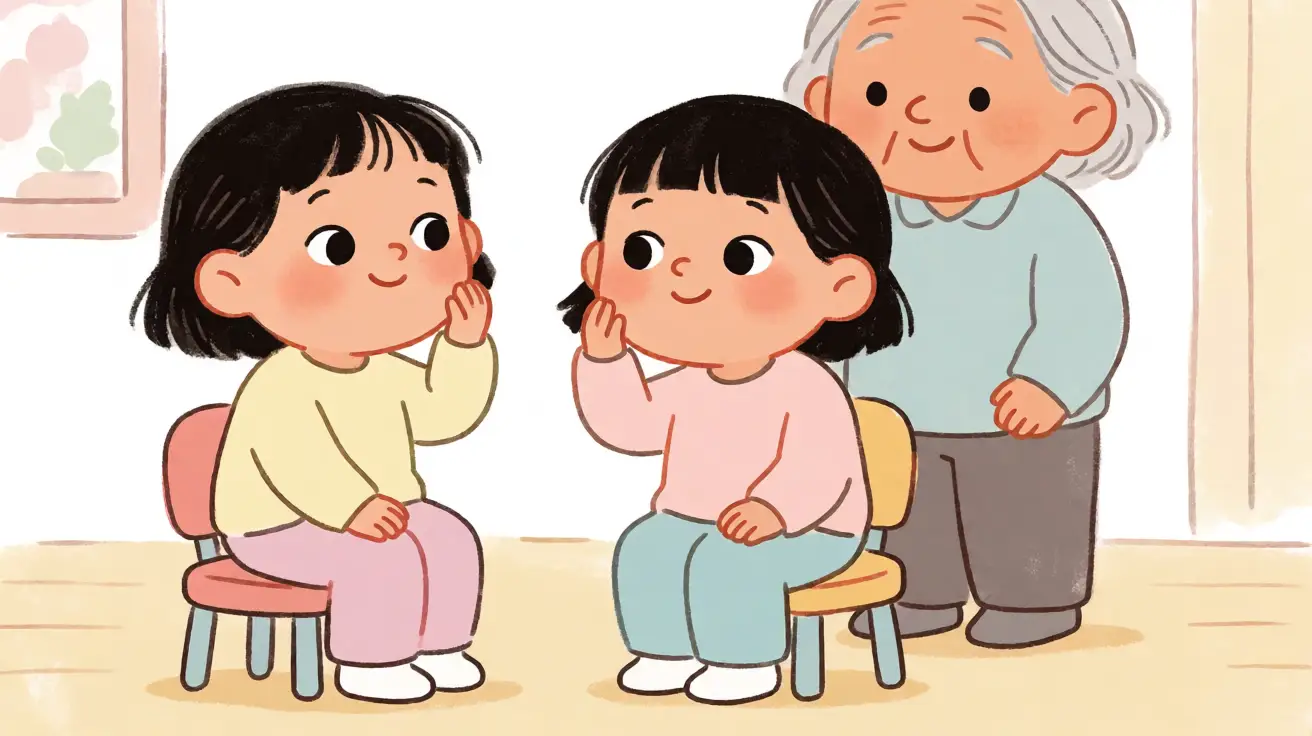
The fact that the trigger is a stranger rather than a family member can make the reaction feel stranger. You may wonder why someone you have never met can affect you so deeply. The answer often lies in what that person represents to you, not in who they are as an individual.
Understanding your own pattern is the first step toward responding to it with curiosity instead of judgment. The sections below cover the most common reasons people cry when they see older adults.
Common Reasons People Cry When They See Old People
Empathy and Compassion
Some people are naturally high in empathy. They pick up on the emotions and experiences of others quickly, sometimes without realizing it. Seeing an elderly person who looks lonely, frail, or tired can activate a strong caring response that spills over into tears.
This kind of crying is not about pity. It is about recognizing another person’s humanity and feeling moved by it. If you are someone whose empathy feels like a superpower with drawbacks, you may cry at moments that others find ordinary. The same sensitivity that makes you caring can also make you emotionally overwhelmed.
Nostalgia and Personal Memories
An elderly person may remind you of a grandparent, a neighbor, or a teacher you loved. The resemblance does not have to be exact. A certain posture, a style of clothing, or the way someone speaks can unlock a memory you did not know was waiting.
Nostalgia is often bittersweet. It mixes warmth from the past with sadness that those days are gone. Tears during nostalgia are the body’s way of processing both feelings at once. If you have lost someone important, seeing an older adult who resembles them can bring that loss back to the surface.
Grief and Unresolved Loss
If you have lost a parent, grandparent, or another older figure, seeing elderly people can reopen grief that has not fully healed. Grief does not follow a straight timeline. It can lie quiet for months and then surge when you least expect it.
Crying in these moments is not a sign that you are failing to move on. It is a sign that the person you lost mattered. Many people find that grief softens over time, but it rarely disappears completely. Certain triggers, including the sight of old people, can remain sensitive for years.
Awareness of Mortality and Aging
Old age is a reminder that life is finite. Seeing someone in the later stages of life can bring your own mortality into focus, even if you are not consciously thinking about it. This awareness can create anxiety, sadness, or a deep sense of tenderness.
For younger people, the reaction may be about imagining their own future. For middle-aged people, it may be about watching their parents age. For older people, it may be about recognizing their own place in the life cycle. The tears are often less about the stranger and more about the universal passage of time.
Loneliness and Social Connection
Elderly people can symbolize isolation. If you have ever felt lonely, seeing someone who appears to be alone can mirror your own experience. The tears may be a form of recognition, as if some part of you is saying, “I know how that feels.”
This reaction can also come from a desire to protect or connect. You may feel an urge to talk to the person, help them, or simply sit with them. When that urge cannot be acted on, the emotion can build up and release as tears.
Joy and Gratitude
Not all tears are sad. Seeing an elderly couple holding hands, an older person laughing with friends, or someone enjoying a simple pleasure can trigger tears of joy. These tears often come from a sense of gratitude for the beauty of ordinary life.
Some people cry when they witness kindness, resilience, or love. Old age can represent a long life survived, a relationship that lasted, or a spirit that remains strong. That can be profoundly moving, even when you have no personal connection to the person.
Personal History and Unmet Needs
If you had a difficult relationship with an older relative, or if you lacked a caring elder figure in your life, seeing old people can stir up complicated feelings. You may cry for the grandparent you wish you had, the guidance you never received, or the reconciliation that never happened.
These tears can be harder to understand because they are not tied to a single clear memory. They may come from a mixture of longing, anger, regret, and sadness. Therapy can be helpful if these feelings feel stuck or overwhelming.
How to Identify Your Specific Trigger
Not every elderly person will make you cry. Pay attention to the details of the moments when it happens. Was the person alone? Did they look frail? Were they smiling? Did they remind you of someone specific?
Keeping a simple journal can help you spot patterns. Write down what you saw, what you felt, and what you thought in the moment. Over time, you may notice that your tears cluster around a particular theme, such as loneliness, loss, or admiration.
You can also ask yourself whether the tears feel heavy or light. Heavy tears often point to grief, anxiety, or unresolved pain. Light tears often point to tenderness, nostalgia, or joy. This distinction can guide your next steps.
When Crying Becomes a Concern
Crying occasionally when you see an elderly person is usually not a problem. It becomes worth attention when it happens so often that it interferes with your daily life, or when it leaves you feeling depressed, anxious, or out of control for hours afterward.
If the tears are tied to a recent loss, they may be part of normal grief. If they persist for months, disrupt your sleep or appetite, or come with hopelessness, it may be time to talk to a mental health professional. A therapist can help you separate present triggers from past wounds.
There is no shame in seeking support. Emotional sensitivity is not a weakness, and understanding your own mind is a practical skill. The goal is not to stop feeling but to feel without being overwhelmed.
Practical Ways to Manage the Moment
When you feel tears coming on in public, you can use grounding techniques to steady yourself. Press your feet into the floor, name five objects you can see, or take a slow breath out. These actions do not suppress the emotion; they give you a moment to choose how to respond.
You can also give yourself permission to cry. If you are in a safe place, letting the tears come may be healthier than fighting them. Crying can release tension and help you return to a calmer state.
Reframing the moment can help as well. Instead of thinking, “Why am I like this?” try, “I am someone who notices and cares.” That shift does not erase the sadness, but it removes the added layer of self-judgment.
If the trigger is loneliness, consider whether you can turn the feeling into connection. You might smile at the person, offer a simple greeting, or volunteer with an organization that serves older adults. Action can transform passive sadness into meaningful contact.
Possible Triggers and Helpful Responses
The table below summarizes common triggers behind crying when seeing old people and suggests a helpful response for each. Use it as a starting point for understanding your own pattern.
| Possible Trigger | What It May Indicate | Helpful Response |
|---|---|---|
| Seeing an elderly person who looks lonely | Empathy, personal loneliness, or a desire to protect | Offer a smile or greeting if appropriate; consider volunteering |
| Resemblance to a deceased loved one | Grief that is still active | Allow the tears; talk about the person with someone you trust |
| Watching an elderly couple together | Nostalgia, longing, or appreciation of lasting love | Let the feeling pass; note what it says about what you value |
| Seeing physical frailty or decline | Fear of aging, mortality awareness, or compassion | Ground yourself; consider journaling about your fears |
| Reminders of a difficult older relative | Unresolved family pain or unmet needs | Consider therapy to process complicated family feelings |
| Seeing an older person experience joy | Gratitude, tenderness, or hope | Enjoy the moment; tears of joy do not need fixing |
| Frequent crying that feels uncontrollable | Possible anxiety, depression, or unprocessed grief | Speak with a mental health professional |
Variations: Family Members vs. Strangers
Crying when you see your own aging parents or grandparents is often different from crying at strangers. With family, the tears may be tied to specific memories, caregiving stress, anticipatory grief, or guilt about not spending enough time together.
With strangers, the reaction is often more symbolic. You are responding to what the person represents rather than who they are. Both types of tears are valid, but they may need different responses. Family-related tears may call for conversations or boundaries. Stranger-related tears may call for self-reflection or a shift in perspective.
Some people cry only at elderly men or only at elderly women. Others cry at anyone who looks fragile. These patterns can offer clues about which relationships or experiences shaped your emotional response.
Mistakes to Avoid
One common mistake is shaming yourself for crying. Telling yourself that you are too sensitive or that you should be stronger adds unnecessary suffering. Crying is a normal human function, and it does not mean you are weak.
Another mistake is assuming the tears mean something catastrophic. A single tear at the sight of an elderly person does not mean you are depressed or that something terrible is about to happen. It may simply mean you are tuned in to the human experience.
Avoiding old people altogether is another unhelpful response. If you pull away from every situation that might trigger tears, you may miss out on meaningful relationships and experiences. Facing the feeling gradually can reduce its power over time.
Finally, do not try to diagnose yourself based on one article or one emotional moment. If you are concerned about your mental health, seek a professional evaluation. Self-understanding is useful, but it is not a substitute for qualified care.
Long-Term Considerations
If crying when you see old people is a new pattern, it may be tied to a recent life change, such as a loss, a move, or a milestone birthday. These reactions often soften as you adjust to the change.
If the pattern has been present for years, it may reflect a stable part of your personality, such as high sensitivity or a strong orientation toward care. You can learn to work with that trait rather than against it. Many sensitive people find that their emotional depth is also a source of creativity, connection, and purpose.
If the tears are tied to grief, consider whether you have had enough support. Grief groups, counseling, and conversations with trusted friends can help. You do not have to carry the weight alone.
If the tears feel connected to your own aging, exploring that fear can be useful. Reading about aging, talking to older adults, and spending time with people at different life stages can reduce the anxiety that comes from the unknown.
Frequently Asked Questions
Is it normal to cry when I see old people?
Yes, it is a normal emotional response for many people. It can be triggered by empathy, nostalgia, grief, mortality awareness, or joy. The reaction itself is not a sign of a disorder.
Does crying at old people mean I am depressed?
Not necessarily. Depression involves persistent low mood, loss of interest, and other symptoms that last for weeks. If crying is your only symptom and it passes quickly, it is unlikely to be depression. If it comes with hopelessness or interferes with daily life, consider talking to a professional.
Why do I cry at elderly strangers but not my own grandparents?
Strangers can symbolize something universal, such as aging, loneliness, or the passage of time. With your own grandparents, you may have more complicated or practical feelings. Both responses are valid and can coexist.
Can I stop crying when I see old people?
You can reduce the intensity with grounding techniques, reframing, and self-compassion. However, trying to suppress the emotion entirely may backfire. A better goal is to feel the emotion without being overwhelmed by it.
Should I talk to a therapist about this?
Consider therapy if the crying is frequent, distressing, or linked to grief, trauma, or family conflict. A therapist can help you understand the root cause and develop healthier ways to cope.
Is crying when seeing old people a sign of high empathy?
It can be. High empathy makes people more attuned to the emotions and experiences of others. That sensitivity can lead to tears in situations that others might not find emotional.
Conclusion
Crying when you see old people is a common and often meaningful reaction. It can come from empathy, nostalgia, grief, mortality awareness, loneliness, joy, or a combination of feelings. The trigger is often symbolic rather than personal, which is why a stranger can move you so deeply.
The next time it happens, try to meet the moment with curiosity instead of judgment. Notice what you are feeling, consider what it might represent, and respond with care for yourself. If the tears become frequent or painful, support is available. Your sensitivity is not a flaw to fix; it is part of how you connect with the world.