The Boppy pillow is best known as a nursing pillow, but many adults keep using it long after the baby stage ends. Its firm, C-shaped design makes it surprisingly useful for everyday comfort, hobbies, and light support needs. This guide covers the most practical adult uses, how to position it, and what to keep in mind so it actually helps instead of getting in the way.
Why Adults Keep Using a Boppy Pillow
The original purpose of the Boppy is to bring a baby up to a comfortable feeding height and reduce strain on the caregiver’s arms, neck, and back. That same shape and firmness turn out to be useful for other seated activities that last a long time. The open C shape wraps around the body or sits in the lap, giving a stable surface for arms, books, controllers, or craft projects.
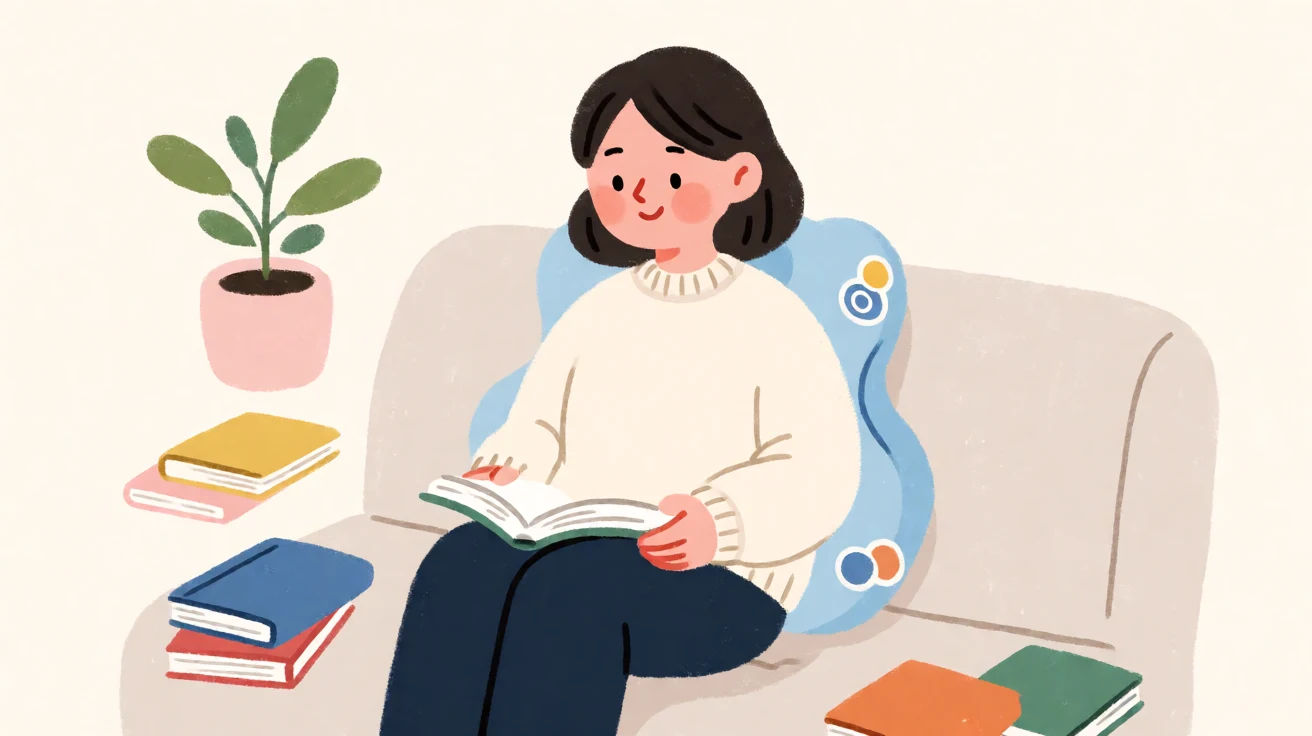
Because the fill is denser than a regular throw pillow, it holds its shape better under sustained pressure. This is why many people continue using it for reading, gaming, knitting, and general lounging support years after they no longer need it for feeding.
Best Adult Uses of a Boppy Pillow
1. Reading and Tablet Support
One of the simplest and most common adult uses is as a reading pillow. Place the Boppy in your lap or around your waist while sitting on the couch or in bed. Rest your forearms on the pillow while holding a book, e-reader, or tablet. The elevation reduces the need to hunch forward and keeps your shoulders more relaxed during long reading sessions.
This setup works especially well if you read for more than 20–30 minutes at a time. The pillow takes the weight of your arms so your neck and upper back do not have to work as hard to keep the device at eye level.
2. Gaming Support
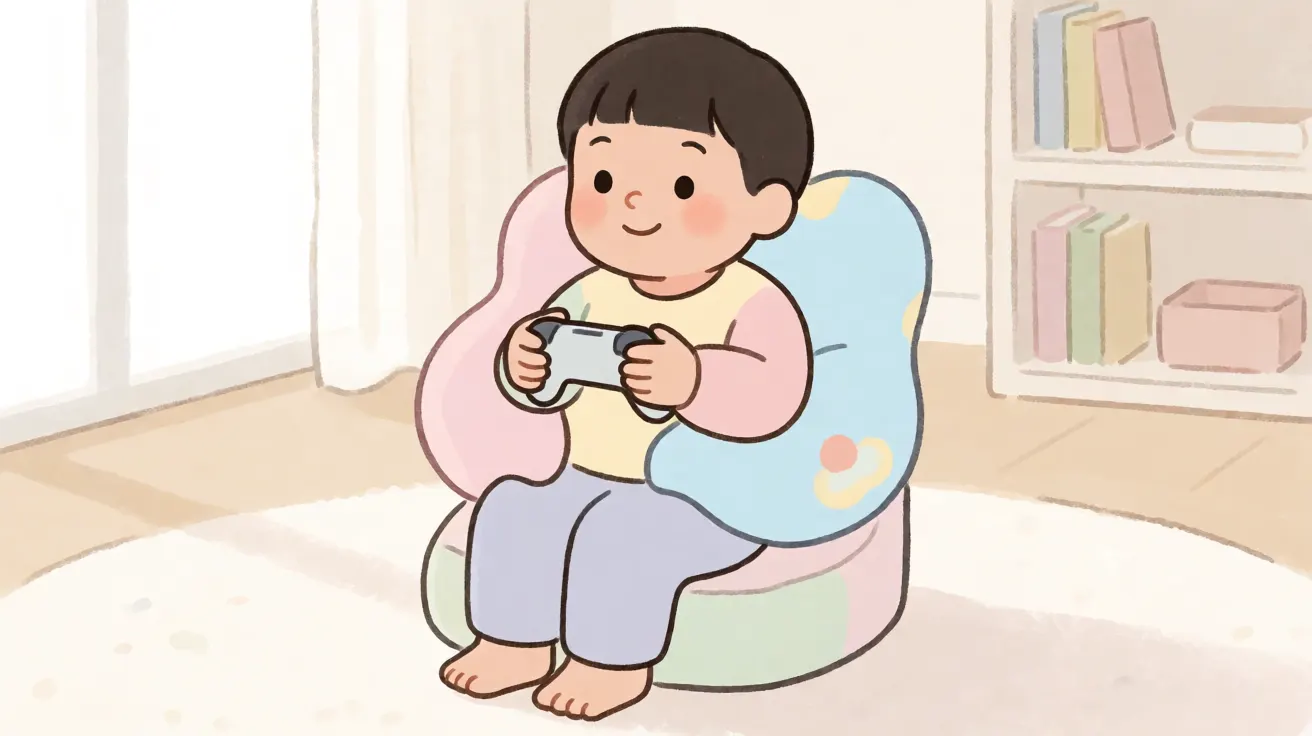
Long gaming sessions often leave the shoulders, wrists, and elbows sore. A Boppy pillow can act as a stable armrest. Sit with the pillow around your waist or in your lap and rest your forearms on it while holding a controller or handheld device. The extra support helps maintain a more neutral wrist position and reduces the urge to tense the shoulders.
It is particularly helpful for people who game on the couch or in bed rather than at a desk with proper armrests. The firmness of the pillow keeps it from collapsing the way a soft couch cushion often does.
3. Knitting, Crocheting, and Other Crafts
Crafters frequently use a Boppy as a portable work surface and arm support. The curved shape holds yarn, needles, or embroidery work at a comfortable height while giving your arms a place to rest. This reduces fatigue in the shoulders and upper back during long sessions of knitting, crocheting, sewing, or coloring.
Because the pillow is relatively firm, it does not sink as much as a regular lap pillow, which helps keep your project more stable.
4. Lumbar and Sitting Support
Some adults place the Boppy behind the lower back while sitting on a couch, office chair, or car seat for extra lumbar support. The C shape can be positioned so the thicker part sits against the curve of the lower spine. Results vary by body shape and chair type, but many people find it more supportive than a soft throw pillow for short periods of sitting.
It can also be used between the lower back and the arm of a couch when leaning sideways, giving a firmer surface than the typical sofa cushion.
5. Between-the-Knees Support for Side Sleeping
Placing a pillow between the knees is a common recommendation for side sleepers who want better hip and lower-back alignment. A Boppy can work for this purpose because of its thickness and firmness. When you lie on your side, the pillow helps keep the top leg from dropping forward and rotating the pelvis.
This use is especially popular during pregnancy and in the postpartum period, but it can also help anyone who wakes up with hip or lower-back stiffness. The goal is to keep the knees and hips in a more neutral stacked position rather than letting the top leg pull the spine out of alignment.
6. Postpartum and Recovery Support
After childbirth, particularly after a C-section, many people use the Boppy for gentle abdominal support when sitting or when holding the baby. The pillow can create a soft barrier that reduces direct pressure on a healing incision while still allowing close contact. It is also useful for elevating the upper body slightly while resting in a reclined position.
Outside of postpartum recovery, some adults use it for temporary support after minor abdominal or chest discomfort, though it is not a medical device and should not replace advice from a healthcare provider.
How to Position the Boppy for Adult Use
The most effective positions depend on the activity:
- Lap support – Place the open part of the C toward your stomach so the pillow wraps around your waist. Rest arms or a book on the top surface.
- Around the waist – Slide it around your midsection with the opening at the back or side. This works well for reading and gaming.
- Between the knees – Fold or position the pillow so it fills the space between your thighs while side-lying. Adjust thickness by how much you compress it.
- Behind the lower back – Place the thickest part against the lumbar curve while sitting. Experiment with the angle until it feels supportive rather than pushy.
Because the pillow is firm, small adjustments in angle and placement make a noticeable difference. Take a minute to test a few positions rather than forcing the first one that seems convenient.
What the Boppy Is Not Ideal For
It is worth being clear about the limits. The Boppy is not a full-body pregnancy pillow, nor is it designed as a primary sleep pillow for adults. Using it as your only head pillow can leave the neck unsupported. It also should never be used for infant sleep or unsupervised infant lounging — nursing pillows have been linked to serious safety risks when used that way.
For long-term lumbar support, a purpose-made office lumbar cushion or a well-designed chair is usually more effective. The Boppy works best as a versatile, portable support for specific activities rather than an all-day solution.
Care and Longevity Tips
Most Boppy pillows come with a removable, machine-washable cover. Washing the cover regularly keeps the pillow fresher, especially if it is used for crafts or lounging. The inner pillow itself is usually spot-clean only. Avoid soaking the insert, as it can be difficult to dry completely and may lose loft.
Over time the fill can compress. Fluffing it regularly and rotating how you use it helps it keep its shape longer. If the pillow becomes noticeably flatter and less supportive, it may be time to replace it.
Frequently Asked Questions
Can adults really use a Boppy pillow?
Yes. While it was designed primarily for nursing and feeding, many adults continue using it for reading, gaming, crafts, light lumbar support, and between-the-knees alignment during side sleeping.
Is a Boppy good for lower back pain?
It can provide temporary relief for some people when used as a lumbar support or between the knees, but it is not a medical treatment. Persistent back pain should be evaluated by a healthcare professional.
Can I sleep with a Boppy pillow every night?
Some adults use it between the knees or for partial upper-body support, but it is not designed as a full-time sleep pillow. For consistent overnight use, a pillow made specifically for side sleeping or lumbar support is usually a better long-term choice.
Does the firmness change over time?
Yes. Like most fiber-filled pillows, a Boppy will gradually lose some loft with regular use. Proper care and occasional fluffing help slow that process.
Final Thoughts
A Boppy pillow is more versatile than its original purpose suggests. Once the nursing stage is over, it can still earn its keep as a reading and gaming support, a craft companion, a simple lumbar cushion, or a between-the-knees alignment aid. The key is matching the position to the activity and accepting that it works best as a targeted support tool rather than a universal solution.
If you already own one, experimenting with the positions above is an easy way to see whether it still has value in your daily routine. If you are considering buying one primarily for adult use, weigh the firmness and shape against more specialized options for the specific support you need most.