If you have ever looked at a cartoon reindeer or a holiday decoration and wondered whether those feet are paws or hooves, you are not alone. The question sounds simple, but it touches on real differences in animal anatomy that many people never learn. The short answer is no: reindeer do not have paws.
This guide explains what reindeer actually have on their feet, how hooves differ from paws, why the confusion happens, and how to identify reindeer tracks correctly. It also covers how reindeer use their feet in the wild and what captive reindeer need for healthy hooves.
The Short Answer: No, Reindeer Do Not Have Paws
Reindeer are hoofed mammals, not pawed animals. Their feet end in hooves, which are hardened structures made mostly of keratin, the same protein found in human fingernails and hair. A paw, by contrast, is a foot with soft pads and claws, like the foot of a dog, cat, or bear.
Reindeer belong to a group called even-toed ungulates. This group includes deer, moose, elk, cattle, sheep, and goats. All of these animals walk on hooves rather than paws. The confusion likely comes from cartoons, toys, and casual language that uses “paws” for almost any animal foot.
What Exactly Is a Paw?
A paw is the foot of an animal that has soft, fleshy pads on the underside and claws on the toes. Dogs, cats, raccoons, and bears are common examples. The pads provide cushioning and grip, while the claws help with digging, climbing, or catching prey.
Paws are adapted for flexibility and precise movement. A cat can extend and retract its claws, and a dog can grip the ground with its pads while running. These features are useful for animals that climb, dig, or grapple with prey. Reindeer have none of these features because their feet are built for a different set of tasks.
Not every animal foot is a paw. Horses have hooves, birds have talons, and primates have hands and feet with nails. Using the right term matters when you are describing an animal accurately, whether for a school project, a story, or a wildlife guide.
Reindeer Foot Anatomy Explained
Each reindeer foot has two main toes that bear the animal’s weight. These toes are covered by thick, hardened hooves that form a cloven, or split, shape. Behind the main hooves are two smaller structures called dewclaws, which sit higher on the leg and do not usually touch the ground during normal walking.
The hooves grow continuously throughout the reindeer’s life. In the wild, walking on rocks, ice, and frozen ground wears them down naturally. In captivity, where the ground may be softer and more uniform, hooves can overgrow and require trimming by a veterinarian or an experienced handler.
Reindeer hooves also change with the seasons. In summer, the hooves are softer and provide grip on wet tundra. In winter, the hooves harden and the edges become sharper, which helps the animal walk on ice and packed snow. This seasonal change is one of the ways reindeer are adapted to extreme northern environments.
The dewclaws serve as extra traction on soft ground. When a reindeer walks through deep snow or mud, the dewclaws can contact the surface and prevent the foot from sinking too far. They also leave small marks in tracks, which can help wildlife observers identify reindeer prints.
Hooves vs. Paws: Key Differences
The differences between hooves and paws go beyond appearance. They reflect different evolutionary paths and different ways of moving through the world. The table below compares the two structures side by side, using reindeer as the hoofed example.
| Feature | Paw (e.g., dog, cat, bear) | Hoof (e.g., reindeer, horse, deer) |
|---|---|---|
| Main material | Soft pads and claws | Hardened keratin sheath |
| Underside | Fleshy, cushioned pads | Rigid, horn-like surface |
| Number of weight-bearing toes | Usually four or five | Two main toes in reindeer |
| Claws or dewclaws | Claws present | Dewclaws present, no claws |
| Primary function | Gripping, climbing, digging | Walking, running, digging through snow |
| Growth pattern | Claws grow, pads do not | Hooves grow continuously |
| Common examples | Dogs, cats, raccoons, bears | Reindeer, moose, elk, cattle |
One practical way to remember the difference is to think about what the animal walks on. Pawed animals walk on soft pads. Hoofed animals walk on their toenails, which have become thick and hard. A reindeer is literally walking on the tips of its toes, much like a horse or a deer.
Why People Confuse Paws and Hooves
Language is one reason for the confusion. In everyday speech, people often use “paws” as a cute or generic word for any animal foot. A child might say a reindeer has paws because it sounds friendlier than hooves. Holiday songs, greeting cards, and cartoon reindeer sometimes reinforce that loose wording.
English often lacks a precise everyday word for something between like and love, and the same looseness applies when people describe animal feet. If you are curious about other word gaps, our explainer on the word between like and love explores how language handles in-between concepts.
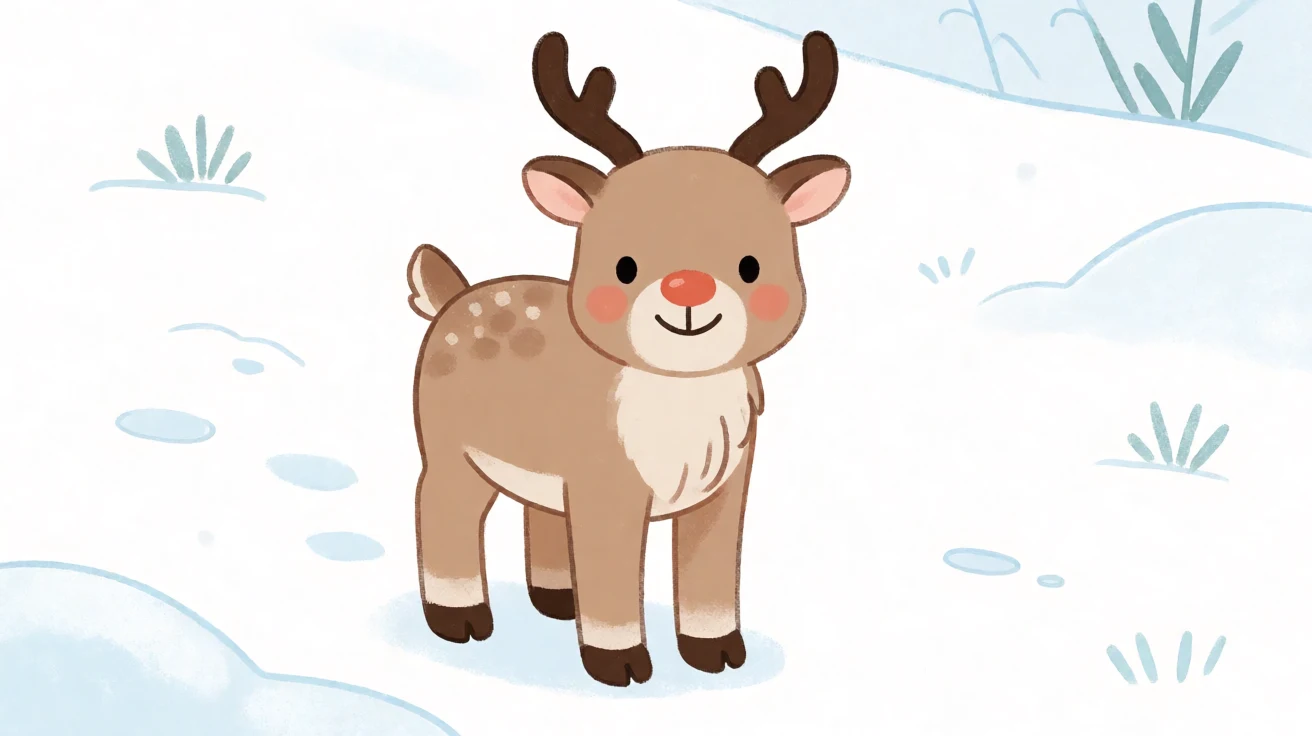
Visual stylization is another factor. Toy reindeer and cartoon characters sometimes have rounded feet that look more like paws than hooves. Artists may simplify the shape for manufacturing or drawing reasons. That does not change the biology of real reindeer, but it can leave a lasting impression on children and adults alike.
How Reindeer Use Their Feet in the Wild
Reindeer hooves are tools for survival in some of the harshest environments on Earth. In winter, reindeer use their hooves to dig through snow to reach lichen, their primary winter food. The sharp edges of the winter hooves cut into the snow, while the broad shape helps distribute the animal’s weight.
When walking on ice, reindeer rely on the hard, sharp edges of their hooves for traction. The dewclaws add stability on uneven ground. In deep snow, the hooves act a little like snowshoes by spreading the animal’s weight over a larger area than a narrow paw would.
Reindeer are also strong swimmers. Their hooves can spread slightly to help them paddle, and their dense fur provides buoyancy and insulation. During migration, herds may cross rivers and lakes, using their feet and legs to propel themselves through the water.
Hooves can also serve as defensive tools. A reindeer can kick with considerable force if threatened. The hard hoof edge can injure a predator, which is one reason wolves and other hunters approach adult reindeer with caution.
What Reindeer Tracks Look Like
Reindeer tracks are cloven, meaning they show two main hoof marks rather than a single round pad. In soft ground or snow, you may also see two small dots behind the main prints where the dewclaws touched down. This pattern is different from the tracks of a dog or cat, which show paw pads and claw marks.
The size and depth of the tracks depend on the ground and the animal’s speed. A walking reindeer leaves clearer, more defined prints than a running one. In hard-packed snow, the tracks may be faint, while in deep snow they can be deep and well defined.
Tracking reindeer is a skill used by wildlife biologists and indigenous communities in northern regions. Understanding hoof shape helps distinguish reindeer tracks from those of other large animals, such as moose or elk, which have different hoof proportions and stride patterns.
Common Misconceptions About Reindeer
Beyond the paw question, several other myths surround reindeer. One is that reindeer and caribou are completely different animals. In fact, they are the same species, Rangifer tarandus. In North America, the animal is usually called caribou, while in Europe and Asia it is called reindeer.
Another misconception is that only male reindeer have antlers. Reindeer are unusual among deer because females also grow antlers, though they are typically smaller than those of males. Males usually shed their antlers in late autumn or winter, while females may keep theirs through the winter and into spring.
Flying reindeer are, of course, a holiday fantasy. Real reindeer cannot fly, but they can run at impressive speeds and travel long distances during migration. Their hooves are adapted for ground travel, not for flight, and no amount of holiday magic changes their anatomy.
Reindeer Hoof Health and Care
In the wild, reindeer hooves wear down naturally as the animals walk across abrasive terrain. In captivity, the situation is different. Zoo reindeer, farmed reindeer, and those used in holiday events may spend more time on soft ground, which can lead to overgrown hooves.
Overgrown hooves can cause lameness, difficulty walking, and other health problems. Regular hoof trimming by a qualified veterinarian or experienced handler is part of routine care for captive reindeer. The process is not painful when done correctly, but it requires proper restraint and skill.
Routine hoof trimming may not be anyone’s favorite task, much like people who hate going to the dentist. Both are preventive care steps that keep a bigger problem from developing later. A well-maintained hoof keeps the reindeer comfortable and mobile.
Diet and environment also affect hoof health. A balanced diet with appropriate minerals supports strong hoof growth. Soft or muddy ground can increase the risk of hoof rot and other infections, so captive reindeer need dry, clean areas to stand and walk.
Reindeer in Popular Culture
Santa’s reindeer are among the most famous reindeer in the world, and they are almost always depicted with hooves in traditional illustrations. Some modern toys and cartoons take artistic liberties, giving reindeer rounded feet that look more like paws. These depictions are not anatomically accurate, but they are common in entertainment.
Debates about whether a drawing shows a hoof or a paw can become as heated as the viral math meme color debate. People see different things in stylized images, and without a clear reference, it is easy to misidentify a feature. Real reindeer, however, always have hooves.
If you are drawing a reindeer for a project or writing a story, use hooves for accuracy. A cloven hoof with two main toes and dewclaws is the correct shape. Paws belong to dogs, cats, and bears, not to reindeer or any other deer species.
How to Tell a Hoof from a Paw at a Glance
Look at the bottom of the foot. A paw has soft pads and visible claws. A hoof is hard and horn-like, with no soft pads. If you can see the animal walking, watch what touches the ground. Pawed animals walk on pads, while hoofed animals walk on their toenails.
Check the shape of the track. A paw print often shows a rounded pad and claw marks. A reindeer track shows two separate hoof marks, sometimes with two small dewclaw dots behind them. The overall outline is more angular than a typical paw print.
Consider the animal’s family. Reindeer are deer, and all deer have hooves. Dogs, cats, and bears have paws. Once you know the animal’s group, the foot type usually follows. There are exceptions in the animal kingdom, but for common mammals, this rule works well.
Frequently Asked Questions
Do reindeer have paws or hooves?
Reindeer have hooves. Each foot has two main hooves and two dewclaws. They do not have paws, pads, or claws like dogs and cats.
How many toes does a reindeer have on each foot?
A reindeer has four toes on each foot. Two are large weight-bearing toes with hooves, and two are smaller dewclaws positioned higher on the leg.
Why do some toy reindeer look like they have paws?
Toy makers and cartoon artists sometimes simplify or stylize animal feet. A rounded foot shape may be easier to manufacture or draw, even if it is not anatomically correct. Real reindeer always have hooves.
Are reindeer related to dogs?
No. Reindeer are deer, which are even-toed ungulates. Dogs are carnivorans. Both are mammals, but they belong to different branches of the mammal family tree and have very different foot anatomy.
Do reindeer hooves grow continuously?
Yes. Reindeer hooves grow throughout the animal’s life, similar to how human fingernails grow. In the wild, natural wear keeps them at a healthy length. In captivity, they may need trimming.
What do reindeer tracks look like in snow?
Reindeer tracks are cloven, showing two main hoof marks. In soft snow, you may also see two small dots behind the main prints from the dewclaws. They do not look like the round pads of a dog or cat.
Conclusion
Reindeer do not have paws. They have hooves, specifically cloven hooves with two main weight-bearing toes and two dewclaws. Their feet are adapted for digging through snow, walking on ice, swimming, and traveling long distances across northern landscapes.
The next time you see a reindeer in a story, a toy, or a holiday display, look at the feet. If they are rounded and soft-looking, the artist has taken a shortcut. If they are split and hard-edged, they are closer to the real animal. Knowing the difference helps you describe reindeer accurately and appreciate how their feet are built for survival.