Eating well often feels like a financial burden because processed foods are cheaper and more abundant than fresh produce. However, the belief that a healthy diet requires a large budget is a misconception. By shifting your focus from specific “diet foods” to whole, seasonal, and store-brand items, you can significantly reduce your grocery bill while maintaining nutritional value.
This article outlines practical strategies to optimize your shopping habits, reduce waste, and prioritize high-nutrient foods that offer the best cost-to-benefit ratio.
The goal is not to restrict your diet to expensive organic produce or boutique health foods. Instead, the strategy involves changing how you plan, purchase, and prepare food. You will learn how to leverage sales, choose flexible ingredients, and build a pantry foundation that supports healthy eating on a tight budget.
These methods are based on fundamental economic principles of supply and demand, as well as practical household management techniques that minimize waste.
Reframing What “Healthy” Means for Your Budget
Many people associate healthy eating strictly with trendy superfoods or expensive organic items. This perspective leads to overspending on products that offer diminishing returns. A more effective approach is to define healthy eating through the lens of whole, minimally processed foods.
Fruits, vegetables, lean proteins, whole grains, and legumes form the core of a nutritious diet. These items are widely available and often affordable, especially when bought in bulk or during their peak season.
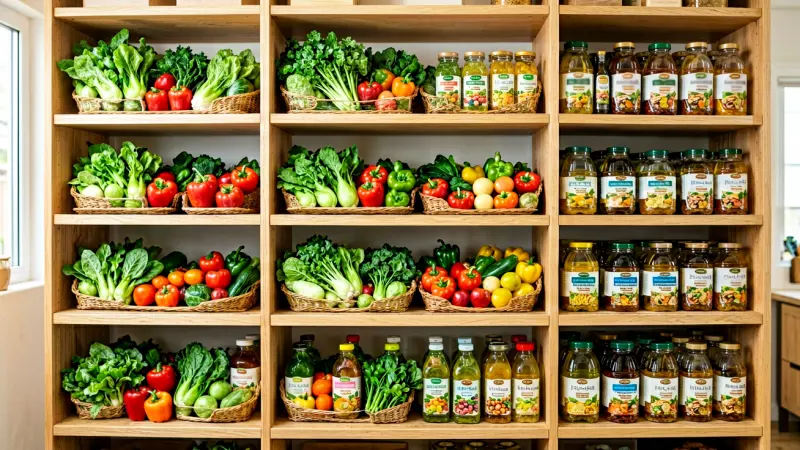
It is important to distinguish between “healthy” and “optimal.” You do not need to buy the most nutrient-dense version of every food item to eat well. For example, conventional carrots are just as nutritious as organic ones for most people, and store-brand canned beans are nearly identical in nutritional profile to name-brand options. The key is consistency.
Eating a variety of vegetables daily is more impactful for health than occasional purchases of high-priced specialty items.
Mastering the Art of Meal Planning and Budgeting
Impulse buying is one of the largest drivers of grocery waste and overspending. Before you visit the store, you need a clear plan. This does not require complex spreadsheets; a simple list based on the foods you actually like is sufficient.
Start by checking your pantry and refrigerator to see what you already have. Then, plan meals for the week that use those existing ingredients. This prevents the common mistake of buying duplicates of items that will eventually go bad.
Use a dedicated app or a physical notebook to track your spending against a weekly budget. When you plan meals around items on sale, you align your nutrition with your finances. For instance, if bananas are cheap that week, build a breakfast around them.
If chicken thighs are on promotion, plan two different recipes that utilize them. This method ensures that your shopping list is driven by economic value rather than habit. It also helps you anticipate needs, so you are less likely to rush into the store without a plan when you run out of staples.
Choosing Smart: Cost-Effective Staples and Produce
Building a grocery list involves selecting items that offer high nutritional density at low cost. Legumes, such as dried beans and lentils, are among the most affordable sources of protein and fiber. A pound of dried beans costs a fraction of the price of meat and provides substantial calories and nutrients.
When shopping for produce, focus on seasonal items. Out-of-season fruits are often transported long distances and stored in cold facilities, which can increase their price and reduce their flavor. Seasonal produce is local, fresher, and typically cheaper.
Frozen vegetables are a underrated tool for saving money on healthy groceries. They are harvested at peak ripeness and flash-frozen, which preserves nutrients effectively. They are often less expensive than fresh counterparts, especially for out-of-season items like spinach, broccoli, or berries.
Because frozen vegetables do not spoil quickly, they allow you to buy in bulk without the risk of waste. Similarly, whole grains like oats, brown rice, and quinoa are cheaper when bought in bulk bins rather than in pre-packaged small bags. You can portion them out as needed, reducing packaging waste and lowering the per-unit cost.
| Category | Budget-Friendly Options | Why It Saves Money |
|---|---|---|
| Proteins | Eggs, Canned Beans, Lentils, Dried Beans, Tofu | Extremely low cost per serving compared to meat; long shelf life |
| Vegetables | Frozen Broccoli, Carrots, Onions, Potatoes, Cabbage | Frozen items prevent waste; root vegetables are dense and cheap |
| Fruits | Seasonal Berries, Apples, Bananas, Citrus | Local availability lowers transport costs; versatile for snacks and cooking |
| Grains | Store-Brand Oats, Bulk Rice, Pasta | Bulk buying reduces packaging overhead; shelf-stable for long-term storage |
| Dairy/Alternatives | Store-Brand Milk, Plain Yogurt, Hard Cheeses | Plain, unflavored versions are cheaper and more versatile than flavored ones |
When selecting proteins, compare the cost per ounce rather than the package price. Often, smaller packages of high-quality meat are more expensive per serving than larger family packs. If you buy in bulk, freeze portions immediately to maintain freshness. This strategy allows you to enjoy higher-quality protein without the premium price tag associated with single-serving packaging.
Maximizing Value with Store Brands and Bulk Buying
Store brands are frequently the most overlooked way to save money on healthy groceries. Large retail chains manufacture their own lines to compete with national brands, often using similar recipes and ingredients at a lower price point. For commodities like milk, eggs, peanut butter, oats, and canned goods, the difference between a store brand and a name brand is minimal in terms of nutrition and taste.
Always compare the ingredient lists. If the ingredients are identical or very similar, the store brand is the logical financial choice.
Bulk buying is effective for non-perishable items and items that do not require refrigeration until opened. Look for bulk sections in your local grocery store or warehouse clubs for items like flour, nuts, spices, and coffee. You can also buy larger quantities of fresh produce if you have a large household or the space to store it.
However, avoid bulk buying perishable items unless you know you will use them before they spoil. The cost of throwing away spoiled food is higher than buying smaller, fresher quantities regularly.
Reducing Waste: The Hidden Cost of Healthy Eating
Food waste is one of the biggest enemies of a tight grocery budget. If you buy vegetables that wilt in the fridge or fruits that rot before you can eat them, you are effectively paying for them twice. To combat this, implement a “first in, first out” rotation system.
Keep your pantry organized so older items are in the front. For fresh produce, wash and dry leafy greens immediately after purchase to extend their life. Store berries in the freezer for smoothies rather than risking mold in the fridge.
Learn to use parts of vegetables that are often discarded. Vegetable bones, peels, and scraps can be saved in a freezer bag and used to make homemade bone broth or stock. This turns waste into a valuable ingredient for soups and stews.
Additionally, plan specific “clean-out” meals for the end of the week. These meals use whatever leftovers are in the fridge, preventing food from expiring unused. Embracing a slightly flexible meal structure can save significant money by ensuring that every item purchased is fully utilized.
Managing your household routine plays a role in how much you spend. If you find yourself frequently feeling isolated during your grocery runs or meal prep, it might help to find a support system. You can explore resources on i miss having friends to see how social connections can support lifestyle changes.
While it may seem unrelated, having a friend to share bulk buying costs or trade recipes can make the process more enjoyable and sustainable.
Strategic Shopping Techniques
Shop with a list and stick to it. This is the single most effective technique for controlling spending. When you wander the aisles without a plan, you are susceptible to marketing displays and emotional buying.
Stick to your perimeters and bulk sections, where healthy foods are located. Avoid the center aisles, which are typically stocked with processed, high-margin items that are less nutritious.
Watch for discounts and loyalty programs. Most major grocery chains have apps that offer personalized deals based on your shopping history. Use these tools to your advantage, but be careful not to buy items you do not need just because they are on sale.
Compare unit prices on shelf tags. The tag will tell you the cost per ounce, pound, or item. This allows you to see that a larger container might not actually be cheaper per serving than a smaller one, especially if you will not finish it before it expires.
Common Mistakes That Inflate Your Grocery Bill
One common error is focusing too much on “diet” foods. Packets of expensive supplements or specialized meal replacement shakes are rarely necessary if you are eating a balanced diet of whole foods. These products are priced at a premium and often offer little nutritional advantage over their cheaper counterparts.
Stick to basic nutrition: protein, healthy fats, complex carbohydrates, and vegetables.
Another mistake is underestimating the power of preparation. If you buy pre-cut vegetables or pre-cooked proteins, you are paying for the labor of convenience. While this saves time, it significantly increases the cost per calorie.
Learn basic knife skills and cooking techniques. Chopping your own onions or boiling your own chicken breast takes a small amount of time but saves a substantial amount of money over the course of a month. The time invested in cooking is a trade-off that pays off financially in the long run.
Adapting Strategies for Different Household Sizes
If you live alone, the challenge is minimizing waste from small portions. Focus on ingredients that have long shelf lives, such as canned goods, dry grains, and root vegetables. Use frozen meats and vegetables to avoid the risk of spoilage.
For a household of two or more, bulk buying becomes more advantageous. You can cook large batches of soups, stews, or grain bowls and portion them into individual containers for the week. This reduces daily cooking time and allows you to buy ingredients in larger, cheaper quantities.
For families with children, involve them in the process. Kids often resist new vegetables or healthy options, leading to waste. Let them choose one or two items on the grocery list from the healthy categories.
This gives them ownership over the food and increases the likelihood that they will eat it. Keeping a “mystery snack” or favorite treat in stock can also prevent behavioral issues that might lead to buying unhealthy, expensive impulse items later.
Frequently Asked Questions
Is it cheaper to cook at home or buy prepared healthy food?
Cooking at home is consistently cheaper. Prepared foods include a markup for packaging, logistics, labor, and profit. Even if you account for the time spent cooking, the monetary savings from preparing meals from scratch are significant over time.
Should I buy organic produce to save money on groceries?
Usually, no. Organic produce costs more. From a health perspective, the “Dirty Dozen” list suggests that certain fruits and vegetables have higher pesticide residues and may benefit from organic sourcing, but the vast majority of produce is safe and nutritious when conventional.
Prioritize budget-friendly conventional produce for most items and consider organic for the few that are most impacted by farming practices.
How can I make vegetables more appealing to a picky eater?
Focus on variety and presentation. Try different cooking methods, such as roasting to enhance natural sweetness or chopping into uniform sizes. Pair vegetables with healthy fats or dips to add flavor. Over time, exposure to new foods increases acceptance, even without positive feedback.
Final Thoughts on Sustainable Healthy Eating
Saving money on healthy groceries is not about deprivation; it is about strategic decision-making. By focusing on whole, seasonal, and store-brand items, you eliminate the premiums paid for marketing, convenience, and packaging. The key is consistency.
You do not need a perfect diet, but you do need a sustainable one that fits your financial reality. Start by auditing your current habits, identifying where waste occurs, and swapping out high-cost items for their budget-friendly equivalents.
Remember that flexibility is your greatest asset. Markets change, seasons shift, and personal needs evolve. If a strategy does not work for your specific household, adjust it.
The goal is to make healthy eating the default option because it is accessible and affordable, not because it is a luxury. By mastering these practical skills, you will find that eating well becomes less about strict restriction and more about enjoying the satisfaction of nourishing yourself efficiently.