If you have noticed that your favorite Ben & Jerry’s pint tastes slightly different, you are not imagining it. Many loyal customers have voiced confusion over subtle changes in texture, color, and flavor intensity across various scoops over the last few years. The specific question of whether the brand changed their brownies—often referring to the popular “Brownie Clumps” mix-in in Chocolate Fudge Brownie or the standalone dessert items found in their retail lines—has sparked debates in online communities.
While Ben & Jerry’s does not always publicize minor ingredient adjustments as major news, shifts in sourcing and formulation can lead to perceptible differences. This article breaks down why these changes happen, how to tell if you are seeing a genuine formulation shift or just batch variation, and what this means for your next ice cream purchase.
Understanding the “Brownie” Component in Ben & Jerry’s Products
Before diving into the specific question of whether the recipe changed, it is crucial to distinguish between the two main ways brownies appear in Ben & Jerry’s offerings. The most famous is the “Brownie Clump” (often called a “Brownie Clasp” or simply brownie chunk) found in the Chocolate Fudge Brownie pint. This is a frozen, cookie-like brownie piece embedded in the ice cream.
The second category includes dessert-style items served at Ben & Jerry’s retail locations, such as warm brownie slices or “Sundae” components that might feature fresh brownies.
When consumers ask if the brownies changed, they are usually referring to the frozen mix-in. Historically, these clumps have been a signature element, known for their dense, chewy texture and deep chocolate flavor. However, just like any food product, the “brownie” inside the ice cream is subject to supply chain pressures, ingredient availability, and corporate decisions regarding cost and consistency.
If the brownie clumps seem smaller, less chocolatey, or different in texture, it likely stems from one of these underlying factors rather than a single dramatic formula rewrite.
Why Formulations Change: The Behind-the-Scenes Reasons
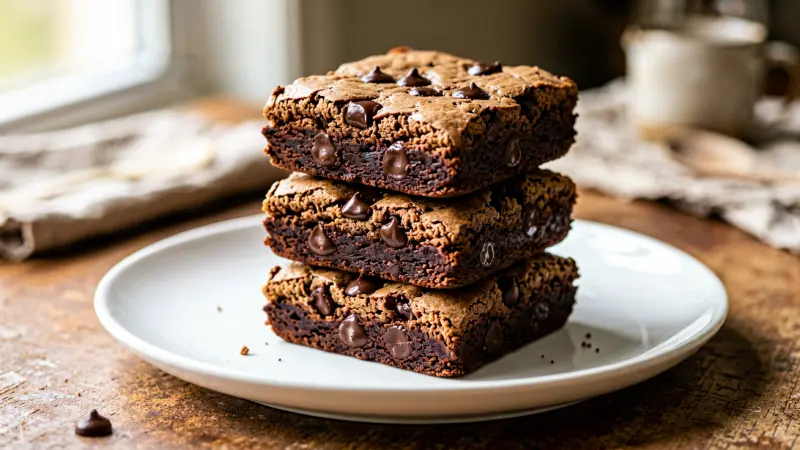
Food manufacturers rarely stay static. Even established giants like Ben & Jerry’s must adapt to changing market conditions. Several factors typically drive adjustments to mix-in ingredients like brownie chunks.
Supply Chain and Ingredient Sourcing
The global cocoa market is notoriously volatile. Fluctuations in the price and quality of cocoa beans can affect the final product. If high-grade cocoa butter or specific chocolate blends become scarce or expensive, manufacturers may adjust the ratio of ingredients to maintain profit margins or ensure consistent availability.
This can lead to a brownie clump that tastes slightly lighter on chocolate or has a different fat content, which changes the mouthfeel. Furthermore, changes in wheat flour sourcing due to crop conditions or regional variations can alter the dough’s density, making the final frozen clump feel crunchier or, conversely, softer than in previous years.
Cost Management and Efficiency
As raw material costs rise, companies often look for ways to streamline production without drastically changing the product’s identity. This might involve changing the size of the brownie pieces, adjusting the baking time to improve texture consistency, or tweaking the sugar-to-flour ratio. These are minor technical adjustments, but to a sensitive palate, they can feel like a “change.” For instance, reducing the size of the clumps ensures they integrate more evenly into the scoop, but a fan who prefers large, distinct pieces might perceive this as a negative change.
Consumer Feedback and Product Iteration
Ben & Jerry’s has a strong connection with its community. When customers report issues—such as mix-ins being too hard to chew, melting too quickly, or tasting stale—product development teams often respond with iterative changes. These tweaks are not always announced with fanfare.
Instead, they are subtle refinements aimed at improving the eating experience. A change in the moisture content of the brownie dough, for example, could be intended to make the clumps more pliable when frozen, preventing them from becoming excessively brittle.
How to Identify a Real Change vs. Batch Variation
Not every difference you notice signifies a major recipe overhaul. In food manufacturing, minor batch-to-batch variations are normal and expected. Determining whether you are experiencing a formulation change or just natural variance requires looking at specific sensory cues.
| Feature | Normal Batch Variation | Potential Formulation Change |
|---|---|---|
| Texture Consistency | Some clumps are slightly crisper or softer within the same pint; texture varies by location in the tub. | Systematically different texture across multiple pints or stores; e.g., clumps are now uniformly mushy or significantly harder. |
| Flavor Intensity | Slight variance in chocolate sweetness; some scoops taste a bit more vanilla-forward or more chocolate-forward. | Noticeable drop in chocolate flavor; the brownie tastes like plain cookie dough or lacks the signature fudge profile. |
| Visual Appearance | Minor color differences due to lighting or freezing stages; slight variation in clump size. | Significantly lighter color; clumps are consistently much smaller or larger than historical norms; altered shape. |
| Melting Behavior | Slight differences in how fast ice cream surrounds the clump; normal melting process. | Clumps retain shape excessively long or dissolve instantly; indicates changes in binding agents or fat content. |
If you notice that the brownie clumps in your Chocolate Fudge Brownie pint consistently taste less rich than they did a year ago, it is more likely a formulation adjustment. Batch variation usually affects texture or size, but fundamental flavor shifts—such as a loss of deep chocolate notes or a change in the “fudge” intensity—are stronger indicators of a recipe change. Additionally, checking the ingredient list on the back of the container is a reliable diagnostic tool.
While manufacturers rarely add “Change Date” on the label, significant shifts in the order of ingredients (by weight) or the inclusion of new additives can signal a reformulation.
The Role of Storage and Handling
Before blaming the manufacturer, consider your own handling habits. Brownie clumps are sensitive to temperature fluctuations. If the ice cream spends time in the freezer door, where temperatures are warmer, the clumps can soften and change texture.
When you scoop them out later, they may feel different than if the pint had been stored deep in the freezer. Similarly, using a warmed-up scoop can cause the surface of the brownie to melt and re-freeze unevenly, altering its perceived texture. Always use a cold scoop and handle the pint gently to preserve the integrity of the mix-ins.
Comparing Historical vs. Current Profiles
While specific internal R&D documents are not public, consumer taste tests and long-term user experiences provide a comparative baseline. Historically, the brownie clumps in Ben & Jerry’s Chocolate Fudge Brownie were known for their robust, chewy consistency and intense chocolate flavor. They were distinct, large pieces that required significant chewing.
Recent consumer anecdotes suggest a shift toward slightly smaller, more uniform pieces with a texture that some describe as “lighter” or “more cake-like” rather than dense and fudgy. This change aligns with broader trends in the ice cream industry, where mix-ins are often engineered for better distribution in the scoop and easier consumption. The “heavier” brownie can sometimes be perceived as too hard or filling for casual eaters.
By making the clumps slightly more delicate, the brand ensures they integrate more smoothly with the ice cream base, potentially improving the overall mouthfeel for a wider audience. However, for purists who love the substantial chew of the older version, this shift can feel like a loss of authenticity.
What This Means for Home Dessert Creations
If you are disappointed by the change in store-bought mix-ins, you have full control over your home dessert experience. You can easily replicate the classic, dense brownie clump at home and freeze it before adding it to your favorite ice cream. This approach allows you to customize the size, chocolate intensity, and texture to your exact preference.
When making homemade frozen brownie chunks, the key is avoiding ice crystals. After baking the brownies, let them cool completely. Cut them into bite-sized squares or chunks.
Place them on a baking sheet lined with parchment paper and freeze them for at least two hours. This pre-freezing step ensures the chunks stay solid when you mix them into soft-serve or scoop ice cream. Use high-quality dark chocolate or a rich fudge sauce to drizzle over the chunks before freezing to mimic that signature Ben & Jerry’s flavor profile.
You can also experiment with different brownie bases; a black bean brownie adds density, while a walnut inclusion adds crunch. This method not only resolves the “change” issue but also offers a creative outlet for your kitchen hobby.
Addressing Common Misconceptions
A common misconception is that any change in taste means the brand has “cut corners” with cheap ingredients. In many cases, the changes are actually aimed at quality consistency or responding to regulatory standards regarding allergen labeling or nutritional content. For example, if a brand switches to a different source of vanilla or adjusts the sugar content to meet new dietary guidelines, the flavor profile shifts subtly.
These are not necessarily negative changes; they are adaptations to a changing landscape of food safety, health trends, and supply chain realities.
Another misconception is that “organic” or “natural” ingredients always taste the same. They do not. Organic cocoa, for instance, can vary significantly in flavor depending on the harvest region and year.
Even if Ben & Jerry’s uses consistent sourcing, natural products inherently have more variability than highly processed artificial ones. If you find that a new batch tastes different, it may simply reflect the natural variance in agricultural ingredients rather than a deliberate recipe alteration.
FAQs
Did Ben & Jerry’s officially announce a change to their brownie mix-ins?
Ben & Jerry’s typically does not issue press releases for minor formulation tweaks to mix-ins unless there is a significant ingredient swap (like removing palm oil or adding a new allergen). Changes are usually part of routine product lifecycle management. While customers notice the differences, the company focuses on maintaining the overall brand experience rather than documenting every minor textural adjustment.
Check their official website’s “Product Information” section for the most current ingredient lists to see any significant updates.
Why do brownie clumps sometimes taste like plain cookie dough?
This usually happens if the brownie chunks were baked with a recipe that relies more on sugar and flour than on chocolate or cocoa. If you are making them at home, ensure you are using a true brownie recipe with a high ratio of chocolate to flour. In store-bought pints, a “cookie dough” taste might indicate that the chunks are actually “fudge chunks” which have a different recipe profile, or it could be a result of the ice cream base flavor bleeding into the mix-in during freezing.
Can I ask Ben & Jerry’s customer service about a change I noticed?
Yes, you can. Customer service representatives are often the first point of contact for consumer concerns. While they may not be able to confirm unreleased internal recipe changes, they can provide information on ingredient sourcing and quality standards.
They can also log your feedback, which contributes to the data used by the product development team to decide on future adjustments. Providing specific details—such as the purchase date, batch code on the container, and a description of the change—helps them track the issue more effectively.
Are the brownies in “Chocolate Fudge Brownie” the same as the warm brownies served in stores?
No, they are completely different products. The mix-in in the ice cream is a frozen, stable ingredient designed to withstand freezer temperatures without becoming inedibly hard. The warm brownies served as a side item in retail locations are freshly baked or reheated, have a much higher moisture content, and are intended to be eaten immediately.
They share a similar flavor inspiration but differ vastly in texture, density, and application.
Practical Tips for Enhancing Your Ice Cream Experience
If you love the concept of Ben & Jerry’s but feel the current mix-ins don’t quite hit the mark, you can elevate your at-home serving. Consider adding your own fresh ingredients on top of the ice cream. A dollop of homemade whipped cream, a sprinkle of sea salt, or a drizzle of high-quality hot fudge can mask subtle flavor differences in the mix-in and focus the palate on the overall dessert experience.
Additionally, proper thawing time is key. Let the ice cream sit at room temperature for about five to ten minutes before scooping. This allows the brownie clumps to soften slightly, making them easier to scoop and integrate with the ice cream.
If the clumps are too hard, they can feel like eating cold plastic, which detracts from the enjoyment. Letting the pint warm up ensures a harmonious balance between the creamy ice cream and the chewy brownie.
For those who enjoy coffee and dairy pairings, consider how different beverages affect the perception of sweetness. A strong coffee can highlight the chocolate notes in the brownie clumps, while a lighter beverage might make the ice cream taste sweeter. You can find more tips on pairing desserts with beverages in our article on how to enjoy coffee if you dislike tea, which offers broader insights on managing flavor preferences.
Experimenting with what you pair your ice cream with can change your perception of the product itself.
Long-Term Considerations for Loyal Fans
It is important to remember that food products evolve. The Ben & Jerry’s of today is not necessarily the same as the one from a decade ago, and that is part of its brand lifecycle. Companies adapt to keep their products relevant to modern palates and dietary needs.
While it is natural to feel protective of a childhood favorite flavor, accepting that minor variations are part of the process can make the experience less frustrating.
If you are strictly opposed to any changes, you might consider sticking to brands that emphasize “no additives” or “heritage recipes” for specific items. However, most major brands, including Ben & Jerry’s, prioritize consistency in mass production. Minor fluctuations are inevitable.
Focus on the overall enjoyment of the dessert. If the ice cream still tastes good and the brownie clumps are enjoyable, the subtle shift may not be a dealbreaker. If it fundamentally ruins the experience for you, exploring homemade alternatives or trying a different brand’s chocolate-heavy pint could be a better solution than waiting for the original formula to return.
Final Thoughts
The question of whether Ben & Jerry’s changed their brownies is less about a single dramatic event and more about the cumulative effect of supply chain shifts, cost management, and product iteration. While you may notice differences in texture or flavor intensity, these changes are likely minor adjustments aimed at maintaining consistency and availability. To get the most out of your favorite dessert, focus on proper storage and handling, consider enhancing your scoop with fresh toppings, or take control by making your own frozen brownie chunks at home.
By understanding the “why” behind the changes, you can make informed decisions about your ice cream purchases and enjoy the treat without the anxiety of unexpected flavor shifts.