There is a particular frustration that comes from buying a candy bar you have eaten for years and finding that it does not taste the way you remember. Twix fans have been vocal about this feeling, describing bars that snap instead of bend, caramel that feels thinner, and an overall sweetness that seems more aggressive than it used to be. The question of whether Mars actually changed the recipe is harder to answer than a simple yes or no.
What follows is a detailed look at what has changed, what has stayed the same, and how to tell the difference between a genuine reformulation and the other forces that shape how a candy bar tastes. The answer involves ingredient sourcing, shrinkflation, shifting palates, and the basic biology of how memory works.
The Short Answer: The Recipe Hasn’t Changed Drastically, But the Bar Has
Mars has not announced a wholesale reformulation of Twix. The core ingredients remain recognizable: milk chocolate with cocoa butter, a biscuit base made from enriched wheat flour, and a caramel layer built on sugar, glucose syrup, and palm oil. In the United States, the official Twix ingredient list still names cocoa butter as a primary component of the milk chocolate coating.
There is no public evidence of a switch to compound coating, the vegetable-fat substitute that changes the texture of some cheaper chocolate products. What has changed is the size, the ratio of ingredients, and the broader context in which the bar is made. Those factors can produce a noticeably different eating experience even when the formula itself is technically the same.
The Size Reductions Are Documented and Significant
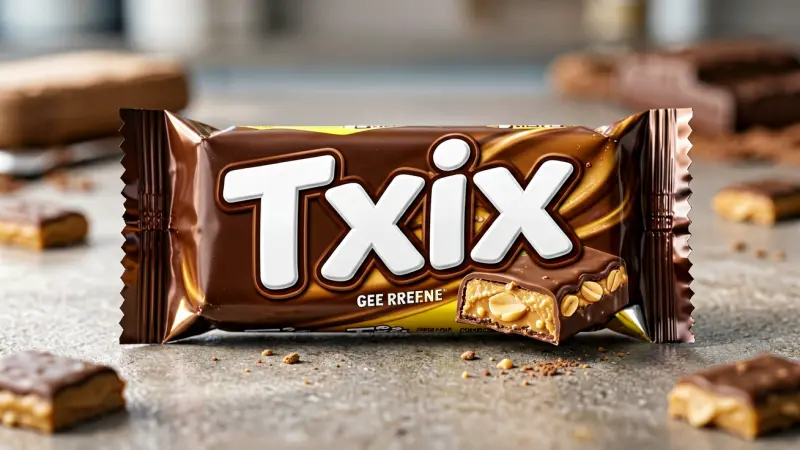
The most concrete change to Twix is weight. Mars reduced the size of Twix bars in multipacks from 23 grams to 20 grams in 2022, a cut of roughly 15 percent. A Mars spokesperson said at the time that the company had been absorbing rising costs of raw materials and operations for some time, and that more needed to be done.
The change was not taken lightly, according to the company, but it was taken. Reddit users responded with frustration. One commenter noted that each finger seemed half the size and thinner than before, and asked why people were putting up with it.
Longer-term data confirms the pattern. A study of chocolate bar weights found that Twix has fallen from its 1990s weight of 58 grams to 50 grams today, a reduction of roughly 14 percent. A bar that is meaningfully lighter has less of everything: less chocolate, less caramel, less biscuit. The proportions may be similar, but the total volume is smaller, and that changes the experience of eating it.
| Change | Details | Reported Date | Reported Reason |
|---|---|---|---|
| Multipack size reduction | 23g to 20g per bar in multipacks | 2022 | Rising raw material and operational costs |
| Long-term shrinkflation | 58g to 50g for the standard bar | 1990s to present | Ongoing cost management and inflation |
| Miniature variety pack reduction | 275g to 227g total pack weight | 2025 | Cost management across Mars brands |
What the Ingredient List Tells You
The official Twix ingredient list for the United States shows milk chocolate made from sugar, cocoa butter, chocolate, skim milk, lactose, milkfat, soy lecithin, and PGPR. The biscuit uses enriched wheat flour, and the caramel layer includes sugar, palm oil, corn syrup, skim milk, and dextrose. Vanillin or artificial flavor appears among the ingredients used at less than two percent.
PGPR, or polyglycerol polyricinoleate, is an emulsifier that helps chocolate flow more smoothly during manufacturing and can reduce the amount of cocoa butter needed to achieve the right texture. Its presence does not mean the chocolate is fake, but it does indicate a formulation optimized for cost and production efficiency rather than maximum cocoa butter content.
What counts as “chocolate” in the first place is a matter of legal definition rather than intuition. Products that do not meet the required cocoa solids and cocoa butter thresholds must be labeled as chocolate flavored instead. That kind of boundary-drawing between similar categories shows up in plenty of everyday arguments, including the surprisingly stubborn debate over whether a lid should be considered a type of door.
Why the Caramel Feels Thinner
Complaints about Twix often focus on the caramel layer. Reddit users have described the difference in physical terms, noting that biting into a Twix used to mean travelling through a heavy layer of caramel. Now, they say, it snaps in half and tastes more like a sugar cookie with some chocolate on it.
That description points to a change in texture rather than flavor. A thicker caramel layer would require more resistance from your teeth and a longer chew. A thinner layer gives way more easily, producing that snap. If the overall bar is smaller and the caramel layer scales proportionally, the texture would change even if the caramel formula itself is identical.
There is also the possibility that the caramel formulation has shifted toward a higher sugar content relative to other ingredients. Sugar is cheaper than dairy fats and some other components, and a sweeter caramel would register differently on the palate. Without access to historical production data, it is impossible to say definitively whether this happened, but the sensory reports from consumers are consistent with a sweeter, thinner caramel.
Shrinkflation and the Perception of Quality
The size reduction is not just about getting less candy. It changes how the bar feels in your hand, how many bites it takes to finish, and how satisfying it is. A bar that used to last through a five-minute break now disappears in three bites. That change in duration affects your perception of the product, even if the flavor is exactly the same.
Economists and food researchers have noted a related psychological effect. When a product shrinks, consumers often report that the quality has declined, even when the formulation is unchanged. The smaller size sets up an expectation of lesser value, and the brain interprets the experience through that lens. This does not mean the complaints are imaginary. It means the complaints are partly about quantity, not just about taste.
Twix is not the only snack facing this. Similar conversations have played out around other treats, including the long-running question of whether Star Crunch got smaller over the years, which follows the same pattern of gradual weight reduction across a product line.
How to Evaluate Whether Twix Tastes Different to You
If you want to determine whether your own experience of Twix has changed, a few practical approaches can help.
Check the weight on the wrapper first. A 50-gram bar is not the same as a 58-gram bar. If you have not been paying attention to the weight, you may be comparing a smaller bar to a memory of a larger one.
Compare a Twix to a similar product from a different brand. If other caramel-chocolate-biscuit bars taste richer or more substantial to you, that tells you something about your palate, though not necessarily about Twix.
Look at the ingredient list in your region. Recipes vary by market, and a reformulation in one country may not have happened in another. If you are comparing a bar you ate abroad to one you buy at home, you may be comparing two different products entirely.
Consider how your own taste has changed. Adults tend to become more sensitive to sweetness and more attuned to texture as they age. A candy bar that tasted balanced at fifteen may taste cloying at forty, not because the formula changed, but because your palate did.
What Other Factors Could Explain the Difference
Several variables can affect how a candy bar tastes on any given day, independent of the recipe.
Storage and temperature matter. Chocolate exposed to heat and then cooled can develop bloom, where fat or sugar crystals migrate to the surface. Bloom looks like a white film and changes the texture. A bar that has been sitting in a warm warehouse or a hot car will not taste the same as one that has been stored properly.
Freshness matters as well. Chocolate and caramel are both affected by time. A bar that is several months old will have a different texture than a fresh one, even if the ingredients are identical.
Batch variation plays a role too. Large-scale food manufacturing has natural variation. One production run may have slightly more or less of a particular ingredient due to equipment calibration or ingredient consistency. Most of the time these differences are imperceptible, but occasionally they are noticeable.
Why Twix Tastes Different in Different Countries
The French version of the Twix ingredient list shows a slightly different order, with sugar first and cocoa butter appearing further down. This reflects the fact that recipes vary by market. A Twix sold in the United States is not necessarily identical to one sold in the United Kingdom, France, or Australia. Local regulations, consumer preferences, and ingredient availability all shape the final formula.
For anyone who travels and likes to compare how familiar products taste in other markets, this is a genuinely interesting thing to track. If you are planning a trip on your own and want to build in time for that kind of casual observation, a solid grounding in practical solo travel planning helps, and guides like this one on how to travel solo as a female cover the logistics without the fearmongering.
What this means for the taste question is that a comparison between a Twix you ate ten years ago and one you eat today is not a controlled experiment. The bar may have changed, but so may the version you are comparing it to. Both variables have moved, and separating them is difficult from the outside.
The Broader Pattern of Candy Reformulation
Twix is not the only brand facing these questions. Food companies across the industry have been reformulating products in response to cost pressures, changing consumer preferences, and regulatory requirements. Some changes are driven by health concerns, such as reducing trans fats or sodium. Others are driven by economics, such as replacing expensive ingredients with cheaper alternatives.
The results are not always bad. A reformulation that reduces sugar can make a product taste cleaner and less cloying. A switch to a different fat source can sometimes improve texture. But when the motivation is purely cost reduction, the outcome is usually a product that feels cheaper, even if the change is hard to identify specifically.
Understanding this context helps you separate genuine quality decline from the natural variation that exists in any manufactured food. It also helps you make deliberate choices about what you are willing to pay for. That same habit of checking details rather than assuming carries over into plenty of everyday decisions, from how you care for the objects in your home to how you think about value more broadly.
There is also a broader lesson about trusting your own experience. If a candy bar tastes different to you, that experience is real, even if you cannot prove why. Your palate is a valid source of information. It may not tell you exactly what changed, but it tells you that something did.
Frequently Asked Questions
Did Mars officially change the Twix recipe?
Mars has not announced a wholesale reformulation of Twix. The core ingredients remain recognizable, and cocoa butter is still listed in the milk chocolate in the United States. However, the company has reduced the size of the bar multiple times, which changes the eating experience even when the recipe stays the same.
Why does Twix taste sweeter than it used to?
The bar has shrunk over time, so the ratio of ingredients may have shifted. A thinner caramel layer and a smaller overall volume can make the sweetness more prominent. Individual palates also change with age, becoming more sensitive to sugar. Both factors may be at play.
Is Twix smaller than it was in the 1990s?
Yes. A study of chocolate bar weights found that Twix has fallen from 58 grams in the 1990s to 50 grams today, a reduction of about 14 percent. Mars also reduced multipack bars from 23 grams to 20 grams in 2022.
Does Twix use real chocolate?
The milk chocolate in Twix contains cocoa butter, which means it meets the standard for real chocolate in the markets where it is sold. The ingredient list in the United States includes cocoa butter as a primary component of the milk chocolate coating.
Why does my Twix snap instead of bend?
A snapping texture usually indicates a thinner caramel layer or a harder biscuit. If the overall bar is smaller, the caramel may be proportionally thinner, which reduces the resistance your teeth encounter. This is consistent with the size reductions Mars has implemented.
Is Twix different in different countries?
Yes. Recipes vary by market due to local regulations, ingredient availability, and consumer preferences. A Twix in the United States is not necessarily identical to one in the United Kingdom or France. The ingredient lists differ, and the order of ingredients can change.
Is shrinkflation legal?
Yes, as long as the net weight is accurately stated on the packaging. Reducing product size while keeping the price stable is a legal practice in most markets. The concern is transparency rather than legality, since shoppers who do not check weights may not notice the change.
What to Take Away
Twix has not undergone a dramatic recipe change, at least not one that Mars has announced. What has changed is the size. The bar is smaller than it was in the 1990s, and the multipack bars shrank in 2022. Those reductions change the eating experience in ways that feel like a recipe change, even if the formula is technically the same.
If you are unhappy with the current Twix, the most useful thing you can do is check the weight on the wrapper and compare it to what you remember. If the difference matters to you, there are other brands that still make full-sized caramel-chocolate-biscuit bars. If it does not, you can keep buying Twix and accept that it is a smaller treat than it once was. Either choice is valid, as long as you make it deliberately rather than out of habit.