The decision to travel alone as a woman is rarely made lightly. You weigh the freedom against the worry, the adventure against the what-ifs. You wonder whether you will feel safe walking back to your accommodation after dark, whether you will be able to navigate a new city without someone to double-check the map, whether the experience will be as liberating as everyone says.
It can be. Millions of women travel solo every year, and many describe it as one of the most rewarding things they have ever done. The difference between a stressful trip and a transformative one usually comes down to preparation, awareness, and a handful of practical decisions made before you ever leave home. This guide walks through the full process, from choosing a destination that suits your comfort level to handling the moments that test your confidence.
Why Solo Female Travel Is Worth the Effort
Solo travel offers something that group travel rarely does: complete control over your own time. You wake when you want. You linger at the museum exhibit that fascinates you. You change plans without negotiating with anyone. That autonomy sounds simple, but for many women it is a rare and deeply restorative experience.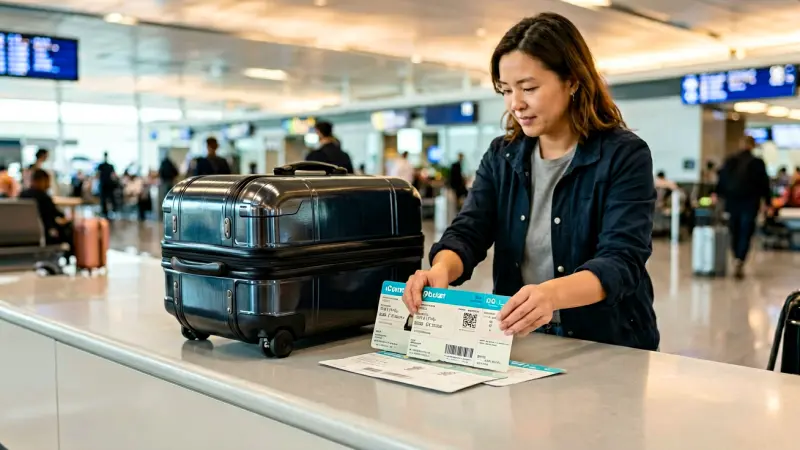
There is also the confidence that comes from navigating unfamiliar situations on your own. You learn that you can handle a missed train, a language barrier, or a wrong turn. You learn that your instincts are worth listening to. Those lessons tend to carry over into everyday life long after the trip ends.
None of this means solo travel is risk-free. It is not. But the risks are manageable with the right approach, and the rewards are substantial enough that many women make solo travel a regular part of their lives rather than a one-time experiment.
Choosing the Right Destination for Your First Solo Trip
The destination you choose matters more for a first solo trip than it might for a trip with friends. Not every place is equally easy to navigate alone, and not every place will suit your personal tolerance for attention, language barriers, or cultural differences in how women are treated.
For a first solo trip, it often helps to choose a destination with reliable infrastructure. Walkable cities with good public transport make it easier to move around without depending on taxis or private transfers. Destinations where tourism is well established tend to have more English speakers, clearer signage, and accommodation options that are used to solo guests.
Some destinations are frequently recommended for first-time solo female travelers. Cities like Edinburgh, Prague, Lisbon, and Rome offer walkability, cultural depth, and a strong tourism infrastructure. Iceland appeals to those who want outdoor adventure with a reputation for safety and ease. In Asia, Japan and Thailand are popular starting points, though the experience varies significantly depending on whether you stay in major cities or venture into more rural areas. Vietnam has also gained recognition in recent years as a welcoming destination for women traveling alone.
It is worth noting that “safe” does not mean identical everywhere. A country with low violent crime can still have high rates of street harassment, and a place with a reputation for being difficult can turn out to be perfectly manageable with the right preparation. The lived experience of other solo women, shared in forums and travel communities, often tells you more about the day-to-day feel of a place than official statistics alone. If the idea of a full solo trip feels like too much of a leap, a women-only tour can serve as a useful stepping stone. These tours offer the structure and company of a group while still giving you a taste of independent travel.
Practical solo travel planning is also a useful skill to build at home. A day spent exploring a nearby city on your own, without a fixed itinerary, can teach you a lot about how you respond to solitude and unpredictability. Some of the habits that support solo travel, like learning to enjoy your own company without constant stimulation, connect to broader practices of digital disconnection and presence. If that is something you want to develop, a digital detox challenge can be a gentle way to practice being alone with your thoughts before you do it in a foreign city.
| Consideration | What to Look For | Why It Matters |
|---|---|---|
| Walkability | Cities where main attractions are reachable on foot or via short public transit rides | Reduces dependence on taxis and private transfers, which are common points of vulnerability for solo women |
| English proficiency | Destinations where basic English is widely understood, especially in hospitality and transport | Lowers daily stress and makes it easier to ask for help if something goes wrong |
| Accommodation standards | Hotels or hostels with 24-hour reception, secure locks, and positive reviews from solo women | Security at night is a primary concern, and reception staff can be a resource in emergencies |
| Cultural norms around women | Understanding how local women dress, move, and interact in public | Helps you blend in, reduces unwanted attention, and shows respect for local customs |
| Transport reliability | Well-regarded public transit, licensed taxi apps, and clear airport transfer options | Getting from place to place safely is one of the biggest logistical challenges of solo travel |
Planning Before You Go
Good solo trips are not over-planned. They are planned enough that the foundations are solid, leaving room for the spontaneity that makes travel enjoyable. The first few days deserve the most attention. Knowing exactly how you will get from the airport to your accommodation, having a rough sense of the neighborhood you are staying in, and having your first night’s sleep sorted removes a huge amount of arrival-day stress.
Share your itinerary with someone you trust. This does not mean posting your location publicly on social media. It means giving a friend or family member a copy of your flight details, accommodation addresses, and a general sense of your plans. Set up a regular check-in schedule, even if it is just a quick message every couple of days. Knowing that someone is expecting to hear from you is both a safety net and a psychological comfort.
Research the local customs around dress and behavior before you pack. In some destinations, wearing shorts or sleeveless tops can attract unwanted attention or even violate local norms. Looking at what local women of a similar age wear is one of the fastest ways to understand what is appropriate. A light scarf or sarong is one of the most versatile items you can carry. It can serve as a cover-up, a pillow, a beach towel, or a layer for cooler evenings.
Travel insurance is not optional for solo travel. Look for a policy that covers medical emergencies, trip cancellation, and theft. Read the fine print about what is excluded, particularly around activities like hiking, scuba diving, or renting a scooter. If you have any chronic health conditions, make sure your medication is legal in your destination and carry a copy of your prescription.
Staying Safe on the Ground
The practical safety habits that serve solo women well are not about living in fear. They are about reducing the number of situations where you are vulnerable and increasing your options when something feels wrong.
Transport is one of the highest-risk areas. Avoid arriving in a new city late at night if you can. If you must, arrange your airport transfer in advance through a reputable service. When using taxis, choose licensed, official services or ride-hailing apps rather than accepting rides from people who approach you. In a taxi, sit in the back seat behind the driver. If you are in a car with a driver you do not know well, mentioning that someone is expecting you can act as a subtle deterrent.
On public transport, stay aware of your surroundings. In crowded carriages, keep your bag in front of you. If a carriage is empty or nearly empty, move to one with more people. Your gut instinct is a sophisticated safety tool. If a situation feels off, leave. You do not owe anyone politeness or an explanation.
Accommodation security matters as much as transport. When you check in, ask for a room that is not on the ground floor. Check that the door has a deadbolt and a peephole. A portable door wedge or travel door alarm is a small, lightweight item that adds an extra layer of security. If you are staying in a hostel, female-only dorms are widely available and can offer a more relaxed environment. In hotels, leaving the “Do Not Disturb” sign on your door can reduce the chance of unexpected entry. If someone at reception announces your room number out loud, ask for a different room. It is a small precaution, but it prevents a stranger from knowing exactly where you are staying.
Avoid advertising that you are traveling alone. This does not mean lying about your entire life, but it does mean being thoughtful about what you share with strangers. A fake wedding ring is a well-known trick for deflecting unwanted romantic attention. If you are in a situation that feels uncomfortable, you can also pretend to be meeting someone. A brief phone call to an imaginary friend or partner can change the dynamic quickly.
Drinking alcohol as a solo traveler deserves particular caution. Enjoying a local wine or cocktail is part of the pleasure of travel, but excessive drinking impairs the judgment you rely on to stay safe. Know your limits, and never leave your drink unattended.
Budgeting for Safety
Solo travel often costs more per person than traveling with a companion. You are not splitting accommodation, taxis, or guided tours. That reality makes budgeting more important, not less. One mistake many solo travelers make is cutting corners on safety to save money. Choosing a cheaper accommodation in an isolated area or taking an unlicensed taxi late at night can create situations that are far more costly in the long run.
Build a safety buffer into your budget. Set aside an amount that you can use if you need to change accommodation unexpectedly, book a last-minute transfer, or pay for a taxi when public transport feels unsafe. Carry multiple payment methods, including at least two cards from different banks and some local cash. Keep them in separate places so that losing one does not leave you without access to money.
Budgeting for safety is not about spending extravagantly. It is about recognizing that some expenses, like a slightly more expensive hotel in a central location or a licensed airport transfer, are worth prioritizing.
Packing with Intention
What you pack can make a surprising difference to how safe and comfortable you feel. A cross-body bag that keeps your valuables in front of you is harder to snatch than a backpack or shoulder bag. A small lock for hostel lockers and a portable power bank for your phone are simple items that reduce everyday stress.
Dressing to blend in rather than stand out is another practical consideration. This does not mean you have to abandon your personal style. It means being aware that clothing which draws a lot of attention can increase the likelihood of unwanted interactions. Conservative clothing that respects local norms is often the easier and more respectful choice, particularly in religious sites and rural areas.
Keep a digital and physical copy of your essential documents: passport, travel insurance, emergency contacts, and accommodation details. Store them in different places. If your phone is lost or stolen, having a paper backup can make a difficult situation much more manageable.
Common Mistakes and How to Avoid Them
One of the most common mistakes is over-planning. A schedule packed with activities from morning to night leaves no room for the unexpected moments that often become the best memories of a trip. It also leaves no room for rest, and exhaustion makes it harder to stay alert. Choose depth over distance. It is often more rewarding to spend several days in one place than to rush through five cities in a week.
Another mistake is under-researching accommodation. A cheap room in a poorly lit area can undermine your sense of safety for the entire trip. Read reviews written by other solo women. Look for mentions of well-lit entrances, 24-hour reception, and staff who are helpful and responsive. If a place has repeated warnings about safety, take them seriously.
Ignoring your intuition is perhaps the most dangerous mistake of all. Women are often socialized to be polite and accommodating, even when a situation feels wrong. Solo travel requires you to override that instinct. If a person or a place feels off, leave. You can apologize later. You cannot undo a decision that put you in harm’s way.
Finally, do not let the fear of what could go wrong stop you from going at all. The vast majority of solo trips pass without serious incident. The women who travel alone successfully are not reckless. They are prepared, they trust themselves, and they accept that a certain amount of uncertainty is part of the experience.
Frequently Asked Questions
Is it safe for a woman to travel alone?
Solo travel for women is not risk-free, but it is manageable with preparation and awareness. Millions of women travel alone every year without serious problems. The key is to choose destinations thoughtfully, plan your transport and accommodation carefully, and trust your instincts when something feels wrong.
What is the safest destination for a first solo trip?
There is no single safest destination, because safety depends on your comfort level, travel style, and the specific places you visit within a country. Destinations frequently recommended for first-time solo female travelers include walkable European cities like Edinburgh, Lisbon, and Prague, as well as countries like Iceland, Japan, and Vietnam. The best choice is one that matches your interests and your tolerance for language barriers and cultural differences.
How do I deal with loneliness on a solo trip?
Loneliness is a normal part of solo travel, especially on longer trips. Planning a few structured activities early in the trip, like a cooking class or a guided walking tour, can help you meet people without the pressure of relying on chance encounters. Small talk with other travelers, hostel staff, or tour guides can also break up long stretches of solitude. Many solo travelers find that the loneliness comes in waves and passes, leaving behind a deeper appreciation for their own company.
Should I carry a weapon for self-defense?
Carrying a weapon is generally not advisable. Laws about self-defense tools vary widely by country, and a weapon you are not trained to use can be turned against you. Non-confrontational safety tools, like a door wedge, a whistle, or a personal alarm, are more practical and less legally complicated. Your best defense is situational awareness and the willingness to leave a situation that feels unsafe.
What Matters Most
Solo travel as a woman is not about being fearless. It is about being prepared enough that fear does not make your decisions for you. The women who do it well are not the ones who never feel nervous. They are the ones who plan their transport, read the reviews, trust their gut, and know that they can handle a change of plans.
Start somewhere that feels manageable. A nearby city for a weekend, a familiar country for a week. Build your confidence in increments. Each trip will teach you something about what you need to feel safe and what you are capable of handling. The freedom that comes with traveling on your own terms is worth the effort it takes to get there.