Many people use the words “cute” and “handsome” interchangeably, but they actually refer to different aesthetic experiences. Cute typically evokes a sense of approachability, softness, or innocence. Handsome often signals structure, maturity, and classic appeal.
Understanding this distinction helps you describe people more accurately, choose styles that fit your face, and communicate preferences in dating or social contexts.
This article breaks down the core differences between these two archetypes. It explores the physical traits, personality perceptions, and fashion implications associated with each. Whether you are trying to understand your own appearance or navigating how others perceive you, this guide offers a clear framework.
Defining the Core Aesthetics
To grasp the difference between cute and handsome, we must first look at the root psychological triggers. These terms are not just about facial symmetry; they are about how a face interacts with our evolutionary instincts and social conditioning.
The Psychology Behind “Cute”
“Cute” is deeply tied to the concept of *baby schema*, or *Kindchenschema*. This is a set of features that trigger caregiving responses in humans, such as large eyes, a small chin, and rounded shapes. When we call someone cute, we are often acknowledging that their face feels safe, non-threatening, and relatable.
It invites warmth and friendliness. This aesthetic is not limited to children; adults can appear cute when their features soften the line between maturity and youth. Think of a person with a gap-toothed smile, expressive large eyes, or a softer jawline.
The appeal here is emotional and tactile. It makes you want to hug or smile at them.
Importantly, cuteness is subjective and cultural. In many East Asian contexts, “cute” or “aegyo” is a celebrated adult trait associated with sincerity and humility. In Western contexts, it is sometimes unfairly linked to childishness, which is why some adults actively distance themselves from the label.
However, this is a stereotype, not a biological reality. Many highly successful and mature professionals are perceived as cute because of their approachable demeanor.
The Psychology Behind “Handsome”
“Handsome” operates on a different frequency. It is historically linked to ideals of strength, symmetry, and distinct bone structure. The word itself derives from “in one’s hand” (as in, “having the hand of a man,” i.e., marriageable or fit for a role of authority).
A handsome face often reads as confident, capable, and authoritative. This does not mean handsome people are cold or unapproachable, but their aesthetic default is often perceived as more structured. Strong jaws, defined cheekbones, and straight noses contribute to this look.
The appeal of handsomeness is often intellectual and aspirational. It represents a standard of classical beauty that feels timeless rather than fleeting.
Unlike cuteness, which can feel casual, handsomeness often carries a weight of formality. A man described as handsome is frequently expected to maintain a certain level of grooming and posture. It is a high-contrast aesthetic that stands out in crowds. While a cute person might blend into a friendly group, a handsome person might command attention simply by walking into the room.
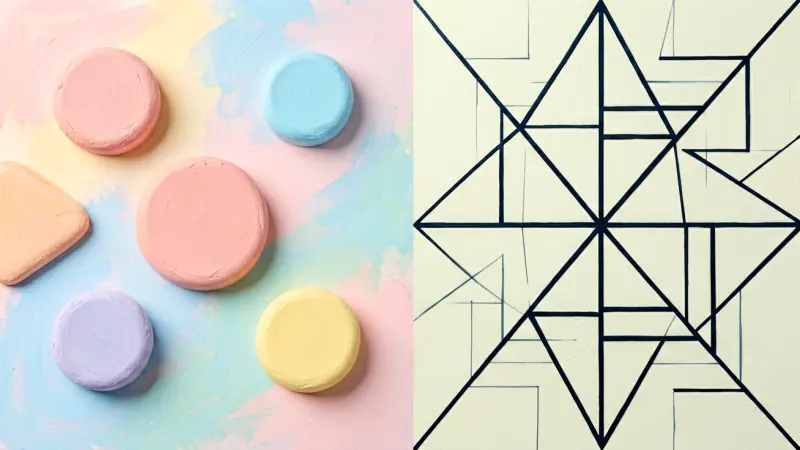
Physical Traits: A Side-by-Side Comparison
While beauty is in the eye of the beholder, there are recurring physical markers that distinguish these two archetypes. These are not rigid rules, but common patterns that help us categorize features. Below is a table outlining the typical physical associations for both aesthetics.
| Feature Area | Cute Aesthetic Markers | Handsome Aesthetic Markers |
|---|---|---|
| Jawline | Softer, rounded, or less defined | Sharp, angular, or strongly defined |
| Eyes | Large, round, or expressive | Deep-set, almond-shaped, or intense |
| Nose | Shorter or upturned tip | Longer, straight, or prominent bridge |
| Skin | Smooth, youthful, minimal texture | Even tone, strong, may have defined shadows |
| Face Shape | Heart, oval, or round | Square, oblong, or diamond |
| Overall Impression | Approachable, youthful, gentle | Authoritative, mature, striking |
It is crucial to note that most people exist on a spectrum, not in two distinct boxes. You might have a handsome jawline but cute, expressive eyes. This blend is often considered highly attractive because it combines approachability with structural strength. Rigid categorization is less useful than understanding which features are dominating your specific look.
Perception and Personality Assumptions
Aesthetics bleed into personality assumptions. We often make snap judgments about a person’s character based on whether they fit the “cute” or “handsome” mold. These biases are largely unconscious but can impact how you are treated in professional and social settings.
The Halo Effect of Cuteness
People who are perceived as cute often benefit from what psychologists call the “Halo Effect.” They are automatically assumed to be kind, honest, and less aggressive. In hiring or social interactions, this can be a double-edged sword. On one hand, you may be invited to lunch more often or remembered fondly.
On the other hand, you might face a ceiling in authority. People may hesitate to take a “cute” looking boss seriously, assuming they are too soft to make tough decisions. To counter this, individuals with a cute aesthetic often need to deliberately project confidence and competence through their communication style and attire.
This does not mean you cannot be powerful. Many leaders have soft features but project strength through their tone and decision-making. The key is recognizing the bias and actively working against the stereotype if it hinders your goals.
The Authority of Handsomeness
Conversely, those with a handsome, structured appearance often face the assumption of competence and authority. A handsome face can command respect in boardrooms or legal settings. However, this can also come with a penalty of perceived coldness or arrogance.
People may assume that a handsome individual is self-absorbed or difficult to befriend. To navigate this, individuals with this aesthetic often need to actively demonstrate warmth and vulnerability. A simple smile or a self-deprecating joke can bridge the gap between “striking” and “friendly.”
Neither path is better; they just require different social strategies. Understanding which box you fall into allows you to tailor your interpersonal skills to mitigate negative assumptions.
Style and Grooming: Leveraging Your Features
Knowing whether you lean toward cute or handsome is a practical tool for building a wardrobe and grooming routine. You can lean into your natural traits to create a cohesive look, or use style to bridge the gap if you want a different perception.
Styling for the Cute Archetype
If your features are soft and youthful, you can enhance this with clothing that avoids overly rigid or severe lines. Softer fabrics like cottons, knits, and flannels work well. Colors tend to be lighter or more pastel.
However, if you want to project more maturity, introduce structured elements. A tailored blazer over a soft t-shirt balances approachability with authority. Grooming-wise, keeping hair neat but with some texture or volume works better than slicked-back styles, which can look too harsh on a soft face.
A well-groomed beard, if you have one, should be rounded to match the facial structure rather than sharp.
Accessories should be subtle. Minimalist watches or simple jewelry complement a cute aesthetic without competing for attention. The goal is harmony. You do not need to change your face; you just need to ensure your surroundings do not clash with your natural softness.
Styling for the Handsome Archetype
If you have strong bone structure, lean into lines and contrast. Darker colors, sharp fits, and well-defined silhouettes enhance a handsome look. A classic tailored suit or a sharp denim jacket works well.
For grooming, keeping hair well-defined and maintaining a clean neckline is essential. A sharp beard can accentuate a strong jawline, but an overgrown one can hide your best feature. Precision is key.
A stray hair or ill-fitting shirt can disrupt the symmetry that defines handsomeness.
When experimenting, consider your goal. If you want to soften a very masculine look, incorporate softer textures into your wardrobe. A linen shirt or a cardigan can add warmth without losing your structure. This hybrid approach often appeals to a broad audience, offering the best of both worlds.
Blending the Two
Many people find that they are neither strictly cute nor handsome, but a mix. This is often the most versatile position. You can switch between approaches depending on the context.
For a date, you might soften your look with a warmer color and a relaxed hairstyle. For a business meeting, you might sharpen your appearance with a crisp shirt and a structured jacket. Flexibility is your asset.
It shows range and confidence.
Common Misconceptions and Pitfalls
There are several traps to avoid when thinking about these differences. The most common is the belief that “handsome” is objectively superior. This is a cultural bias, not a biological fact.
Cute aesthetics are highly valued in media, marketing, and personal relationships. Think of the most beloved actors or public figures. Many are celebrated for their charm and relatability, not just their structural symmetry.
Being cute can make you more memorable in a friendly way, which is powerful in social circles.
Another pitfall is trying to force yourself into a category that does not fit. If you have a round face and try to slick your hair back and wear sharp, angular clothing, you may look out of place rather than handsome. Authenticity resonates.
It is better to embrace your specific look and refine it than to strive for a generic ideal that ignores your unique traits. Focus on what enhances your natural features rather than what tries to erase them.

FAQs
Can I be both cute and handsome?
Yes, many people possess features that allow for both interpretations. A person might have a soft, approachable expression (cute) but strong jawline or cheekbones (handsome). This is often referred to as a “soft handsome” or “gentle masculine” look. It is highly versatile because it allows you to project warmth or strength depending on your expression and posture.
Does age change whether you are considered cute or handsome?
Perceptions often shift with age. Traits that look “cute” on a teenager, like large eyes and a small face, can read as youthful or even childish on an older adult if not balanced with mature styling. Conversely, strong bone structure (handsome) becomes more pronounced with age as facial fat pads recede.
Therefore, your aesthetic may evolve. It is important to adjust your grooming and style as you age to reflect your current stage of life.
Is “handsome” only for men?
Traditionally, “handsome” is used for men, while “beautiful” or “pretty” are used for women. However, language is evolving. Many women now describe themselves or others as “handsome” to emphasize strength, sharpness, or androgyny. In the context of this article, we focus on the gender-neutral principles of structure vs. softness, which apply to all genders.
How do I know which category I fall into?
The easiest way is to look at your rest face in a neutral light. Do you feel people approach you with warmth or with awe? Do you think your face is “open” or “closed”? If you are unsure, ask a trusted friend for their first impression. They will likely say “friendly/cute” or “striking/handsome.” Use that feedback as a starting point for styling.
Does being cute make it harder to get romantic dates?
Not necessarily. While “handsome” faces may get a quick initial nod for classic attractiveness, “cute” faces often build stronger emotional connections. Romance is not just about visual impact; it is about connection.
A cute aesthetic signals safety and approachability, which can lead to deeper conversations. Many people prefer the “slow burn” of a cute partner over the immediate “wow” of a handsome one. It depends on what you value in a partner.
Conclusion
The difference between cute and handsome is not just about bone structure; it is about the emotional signal your face sends. Cute communicates safety, warmth, and approachability. Handsome communicates structure, authority, and classic appeal.
Both are valid and powerful aesthetics. Instead of trying to fit one rigid box, identify where you lie on the spectrum and use styling to enhance your natural traits. Whether you lean soft or sharp, consistency in your appearance will always feel more authentic than a forced transformation.
Embrace your specific look, and you will radiate a confidence that appeals to others regardless of the label.
Also Read –
Why Do Animals And Babies Like Me
I’m Not A Leader
I Miss MySpace
Why Are McDonald’s Hash Browns So Expensive