A key necklace is more than just a piece of jewelry; it is a symbol deeply rooted in history, religion, and personal storytelling. When you wonder what a key necklace means, you are touching on one of the oldest symbols of human civilization. For centuries, keys have represented authority, access, and the power to unlock secrets.
Today, wearing a key pendant allows you to carry that symbolic weight in a stylish and personal way. This guide explores the various interpretations of key necklaces, from ancient religious icons to modern fashion statements, helping you choose a piece that resonates with your personal narrative.
The Historical and Religious Significance of Keys
To understand the modern meaning of a key necklace, one must first look at its historical origins. The key has long been a symbol of power and governance. In the Middle East, the Hellenistic period saw the key become an emblem of authority, often associated with rulers and kings.
This association persisted into the Christian era, where the key took on a specific theological meaning. In the New Testament, Jesus gave the Apostle Peter the “keys of the kingdom of heaven.” This biblical reference established the key as a symbol of spiritual authority and the power to bind and loose. Consequently, for centuries, the key became a potent religious symbol, often depicted in art and worn by clergy as a reminder of their spiritual duties.
The Pope and the Papal Keys
Nowhere is the religious significance of the key more visible than in the Vatican. The Papal Keys, a famous image of two crossed keys (one gold, one silver), represent the spiritual and temporal power of the Pope. The gold key unlocks the gates of Heaven, while the silver key symbolizes the authority of the Church on Earth.
This imagery has influenced jewelry design for over a millennium, making the key a recognizable symbol of leadership and divine mandate. Even for those who are not deeply religious, the visual language of the key carries a weight of tradition and stability that modern designers often leverage to create pieces that feel timeless and significant.
Alchemic and Esoteric Interpretations
Beyond strict religious dogma, the key has played a role in alchemy and esoteric traditions. In these belief systems, the key represents the unlocking of hidden knowledge or the “Philosopher’s Stone.” It is a symbol of enlightenment and the transition from the known to the unknown. For individuals interested in spiritual growth or self-discovery, a key necklace can serve as a talisman.
It reminds the wearer to seek out deeper truths and to possess the “key” to their own potential. This interpretation adds a layer of personal introspection to the jewelry, transforming it from a simple accessory into a tool for mental reflection.
Symbolism in Personal Relationships and Love
While history and religion provide the backdrop for the key’s meaning, its use in personal relationships is perhaps its most common modern application. The key is a universal symbol for access. In the context of romance, giving or wearing a key necklace signifies that the recipient or wearer holds the key to the giver’s heart.
It implies trust and intimacy. The idea is that you are allowing someone entry into the most private and vulnerable part of your life. This makes key necklaces popular as gifts for anniversaries, engagements, or significant relationship milestones.
Keys to the Heart
When a key is presented as a gift with a message about the “heart,” it moves beyond metaphor into emotional expression. It suggests that the relationship has reached a point of depth where barriers are down. However, the specific type of key matters.
A skeleton key, often associated with unlocking many different locks, might symbolize a person who is versatile or who has opened many paths in life. A specific, ornate key might symbolize a unique connection that is one-of-a-kind. The craftsmanship of the key can reflect the precision and care taken in the relationship itself.
Friendship and Trust
Key necklaces are not exclusive to romantic partners. They are also meaningful symbols of deep friendship. If a friend gives you a key necklace, it often signifies that they view you as someone who holds a special place in their life.
It is an acknowledgment of your role in “unlocking” happiness or support in their world. This type of gift is less common than romantic key gifts, which gives it a distinct value. It suggests a bond that is built on mutual access and reliance, a cornerstone of strong platonic relationships.
Professional and Career Motivations
For many professionals, a key necklace serves as a subtle reminder of their career goals or the access they are striving to gain. In a corporate or academic setting, the key can symbolize promotion, new opportunities, or the “key” to success in a specific field. It is a form of visual motivation.
Wearing such a piece during high-stakes interviews or major project launches can boost confidence by grounding the wearer in a symbol of achievement and authority.
Unlocking Potential
Entrepreneurs and creatives often use key symbols to represent the unlocking of new markets or ideas. The key becomes a totem for innovation. It serves as a physical cue for the mental state required to break through obstacles.
This functional aspect of the necklace is similar to other habit-forming tools; it links a physical object to a psychological intention. For those in the early stages of their careers, a key necklace can serve as a reminder of the entry they have gained and the further doors that remain to be opened.
Choosing the Right Key Necklace Style
Not all key necklaces convey the same message. The design of the key, the metal used, and the style of the chain all contribute to the overall meaning and aesthetic impact. Choosing the right combination ensures that the necklace aligns with your intent, whether it is religious, romantic, or professional. A mismatch between the style and the intended message can dilute the impact of the symbol.
Metal and Material Significance
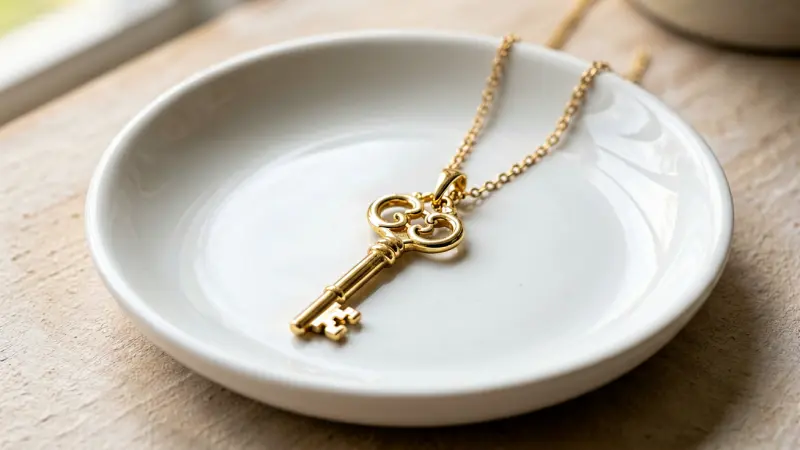
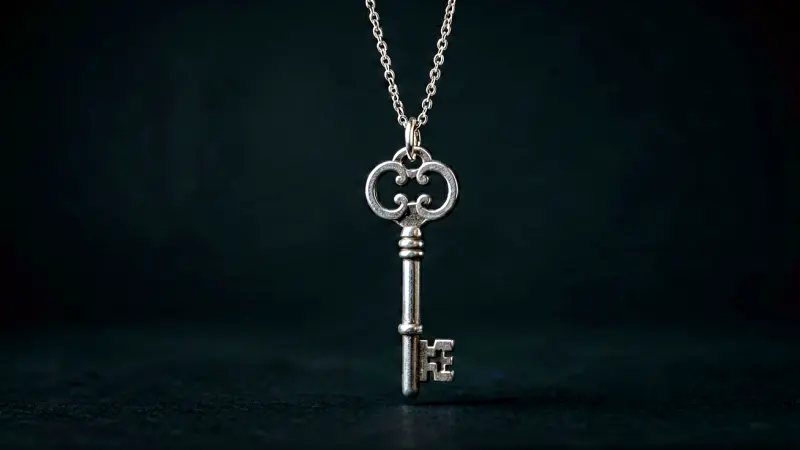
Gold is traditionally associated with wealth, warmth, and durability. A gold key necklace often carries a heavier, more formal weight, suitable for significant religious or professional statements. Silver is associated with purity, calmness, and reflection.
It is often preferred for spiritual or meditative purposes. Other metals like titanium or stainless steel offer a modern, industrial vibe that speaks to strength and contemporary style. The choice of metal can also influence the longevity of the piece, with precious metals often holding value over decades, reinforcing the idea of a lasting commitment or belief.
Design Variations: Skeleton, Antique, and Minimalist
A skeleton key design, with its intricate teeth and arch, is instantly recognizable and often associated with mystery or vintage charm. An antique-style key might feature elaborate engraving or floral motifs, suggesting a connection to heritage and tradition. In contrast, a minimalist key, perhaps just a simple geometric shape resembling a key, appeals to those who prefer subtlety and modern elegance.
The minimalist approach allows the symbol to speak for itself without distraction, making it a versatile accessory for daily wear. The level of detail in the design should match the level of formality you wish to convey.
Practical Considerations for Wearing a Key Necklace
Beyond the symbolic meaning, a key necklace is a functional piece of jewelry that requires care and thought regarding how it is worn. Because keys are sharp-edged objects, they interact differently with skin and fabric than smooth gems or pearls. Understanding these practical aspects ensures that the necklace remains comfortable and preserves its aesthetic value over time.
Comfort and Fit
The chain length plays a crucial role in how the key sits on the body. A shorter chain, ending at the collarbone, keeps the key visible and prominent, making it a statement piece. A longer chain, resting at the sternum or below, allows the key to drape more naturally and can be tucked in for a hidden, personal reminder.
Because keys can be slightly heavier than typical pendants, ensure the clasp is secure. A quality lobster clasp or a toggle clasp is often better than a simple spring ring, which might snap under the weight of a heavier metal key. The comfort of the wearers depends on the flexibility of the chain and the weight distribution of the pendant.
Maintenance and Care
Metal keys, especially those made of sterling silver or gold, are susceptible to tarnish and scratching. Tarnish is a natural chemical reaction, particularly common in silver, but it does not mean the jewelry is damaged. Regular polishing with a soft cloth can maintain the luster.
Avoid exposing the necklace to harsh chemicals, perfumes, or lotions, which can accelerate tarnishing or damage any enamel or gemstone details on the key. Storing the necklace in a dry place, ideally in a separate pouch or compartment, prevents it from scratching other jewelry or being scratched by harder metals. Proper care ensures that the symbol remains vibrant and clear for years to come.
Common Misconceptions About Key Necklaces
Several myths surround the interpretation of key jewelry, often stemming from pop culture or exaggerated superstitious beliefs. It is important to separate fact from fiction to ensure you are not attaching unintended meanings to your purchase or gift.
The “Unlocking Evil” Myth
In some folklore, keys were believed to have the power to open not just physical doors but also magical or spiritual seals. This led to the misconception that wearing a key necklace could “unlock” negative energies or evil spirits. This is not a standard interpretation in modern jewelry or mainstream symbolism.
Unless you are specifically following a niche occult tradition that assigns this meaning, a key necklace does not invite negative forces. It is a neutral symbol that takes on meaning based on the wearer’s intention and context. Do not let unfounded superstitions prevent you from enjoying a beautiful piece of jewelry.
The “Key to the House” Confusion
Many people assume that any key-shaped necklace is a representation of a house key, symbolizing home or domestic life. While this is a valid interpretation, it is not the only one. The key is a universal symbol of access, which can apply to careers, minds, hearts, or spiritual realms.
Limiting the meaning to just “home” overlooks the broader symbolic landscape. When buying a key necklace, consider what specific “door” it represents for you or the recipient. Is it a door to a new career?
To a deeper understanding? The specificity of the symbol allows for a more personalized interpretation.
Gift-Giving Etiquette and Context
Because the key is such a powerful symbol, giving a key necklace requires consideration of the recipient’s beliefs and the nature of your relationship. For example, giving a key to a close friend might be interpreted as a sign of deep trust, but to a casual acquaintance, it might feel too intimate or confusing. The context of the gift matters as much as the object itself.
It is generally best to pair a key necklace with a note or verbal explanation of its meaning. If you are gifting a “key to my heart” necklace to a partner, explicitly stating this intention removes ambiguity. If the necklace is a religious gift, explaining the biblical or spiritual reference adds depth to the gesture.
This clarity ensures that the recipient understands the weight of the symbol and appreciates the thought behind it. Without context, a symbol like the key can be open to wide interpretation, and guiding that interpretation is part of the gift-giving process.
Key Necklace Meanings at a Glance
The following table summarizes the primary interpretations of key necklaces based on context and design, helping you quickly identify the most relevant meaning for your needs.
| Context / Design | Primary Symbolic Meaning | Suitable Recipient / User |
|---|---|---|
| Religious / Papal Keys | Spiritual authority, faith, divine mandate | Clergy, devout individuals, religious milestones |
| “Key to the Heart” | Romantic access, deep trust, vulnerability | Romantic partners, spouses, long-term lovers |
| Professional / Career Key | Success, promotion, unlocking opportunity | Colleagues, mentees, professionals in transition |
| Minimalist / Modern Key | Simplicity, personal strength, subtle reminder | Individuals seeking everyday jewelry, modern aesthetic |
| Vintage / Ornate Key | Heritage, mystery, exploration of the past | History enthusiasts, collectors, creative individuals |
FAQs About Key Necklaces
Is it bad luck to give a key as a gift?
No, there is no widespread cultural belief that giving a key is bad luck. In fact, in many traditions, the key is a gift of honor and trust. The only caution is to ensure the recipient understands the level of intimacy or authority implied by the gift. If the relationship is casual, a key might feel too significant, but this is a matter of social comfort rather than supernatural bad luck.
Can I wear a key necklace every day?
Yes, many people wear key necklaces daily. The suitability depends on the metal and design. Delicate chains or ornate pieces with fragile details may not withstand the rigors of daily wear, such as brushing teeth or showering. Sturdier materials like stainless steel or solid gold with a simple design are better suited for everyday use. Always secure the clasp properly to avoid loss or breakage.
What if the key is “locked” or has no teeth?
Even a key without functional teeth is symbolic. It represents the potential to unlock or the concept of access itself. In art and jewelry, a blank or stylized key is often preferred for aesthetic simplicity.
It does not lose its meaning; rather, the meaning shifts from a specific physical key to a universal concept of opportunity and entry. A “blank” key can be particularly powerful because it suggests the wearer is the one who defines what they unlock.
How do I clean a tarnished silver key necklace?
For light tarnish, use a soft silver polishing cloth to gently rub the surface. For deeper tarnish, a mild soap and water solution with a soft brush can be used, followed by thorough drying. Avoid harsh chemicals like bleach or ammonia, which can damage the metal or any plating. If the necklace has pearls or delicate stones, consult a professional jeweler for safe cleaning methods.
Do key necklaces have different meanings for men and women?
Traditionally, the symbolism of the key is unisex, representing universal concepts like power and access. However, social perceptions may vary. For men, a key necklace might be seen as a bold fashion statement or a subtle nod to leadership.
For women, it is a versatile accessory that bridges vintage and modern styles. The meaning is determined by the wearer’s intent and the specific design, not by gender. Both men and women can wear key necklaces to signify personal values, faith, or career goals.
Selecting the Right Necklace for Your Story
Choosing a key necklace is an act of self-expression. Before purchasing, identify the primary role the necklace will play in your life. Is it a spiritual anchor, a romantic token, or a career motivator?
This decision will guide you toward the appropriate metal, chain length, and design style. A religious symbol like the crossed keys is distinct from a romantic “key to the heart” pendant, and blending them can create confusion.
Consider the durability and maintenance requirements of the piece. If you are an active individual, a minimalist design in a robust metal may be more practical than an ornate antique replica. If the necklace is a gift, involve the recipient in the selection if possible, or ensure your choice aligns with their known preferences and values.
The key is a powerful symbol, and its impact is heightened when it resonates personally with the wearer.
Finding Balance in Symbolic Jewelry
While the symbolism of a key necklace is rich and layered, it is essential not to overthink the process to the point of paralysis. The beauty of the key as a motif lies in its versatility. It can be worn with casual jeans or formal attire.
It can serve as a constant reminder or a rare, statement piece. The meaning you assign to it becomes the true definition of the object. For some, it is a religious devotion; for others, a fashion choice; for others still, a personal mantra of resilience and access.
By understanding the historical roots and modern interpretations, you can wear your key necklace with confidence, knowing that it carries a timeless weight of significance.
Also Read –
Why Does KFC Taste Different
Is Amazon Expensive
Why Do I Sit In The Shower