Why Does KFC Taste Different? The Real Reasons Behind the Variation
You order the same bucket you have loved for years, take a bite, and something feels off. The crust is less crunchy, the seasoning seems milder, or the chicken itself has a different texture. For many people, this experience raises a simple question: why does KFC taste different from visit to visit, or from one country to another?
The answer is not a single change or a secret mistake. KFC’s flavor is the result of a delicate chain of decisions, ingredients, equipment, and local adaptations. When any link in that chain shifts, the final taste can shift with it. This article explains the most common reasons behind that variation, what you can realistically expect, and how to get the best possible experience from your next order.
The Short Answer: Consistency Is Harder Than It Looks
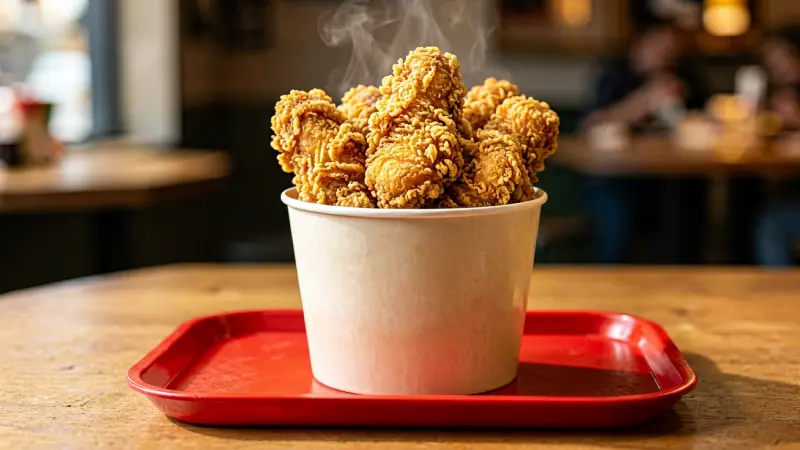
KFC operates thousands of restaurants across many countries, each with its own supply chains, regulations, and customer preferences. The brand uses a signature blend of herbs and spices, but that blend is only one part of the equation. Cooking oil, chicken sourcing, breading technique, holding times, and local menu adjustments all influence what you taste.
Even within the same country, two locations can produce noticeably different chicken. One restaurant might receive chicken from a different farm, use a different oil variety, or have a fryer that runs slightly hotter or cooler. These are not necessarily failures. They are the natural result of running a global food system through local kitchens.
Reason 1: The Secret Recipe Is Only the Starting Point
Colonel Sanders’ Original Recipe is often described as a blend of 11 herbs and spices. The exact formula is a closely guarded trade secret, and the seasoning is produced in a way that keeps the full mixture confidential. However, the recipe alone does not guarantee a consistent taste.
The seasoning must be combined with flour, applied to the chicken in a specific way, and cooked under precise conditions. If the seasoning blend arrives slightly different from one batch to another, or if the breading process is rushed, the final flavor can change. The recipe is the blueprint, but the construction process matters just as much.
Reason 2: Regional Menu Adaptations Change What You Taste
KFC adapts its menu to local preferences in many markets. A customer in Thailand may find spicy options that are not available in the United States, while a customer in Japan may encounter a completely different style of biscuit. These adaptations are intentional, and they can affect the taste of even the core chicken products.
In some countries, the classic recipe is offered alongside a hot and spicy version. In others, local sauces, marinades, or coatings are introduced to match regional palates. If you travel and order what you think is the same item, you may actually be eating a locally adjusted version of it.
Local sourcing affects flavor
KFC restaurants typically source chicken from local or regional suppliers. A bird raised on a different feed or processed at a different facility can have a slightly different fat content and texture. One KFC executive has noted that taste can vary depending on whether the chicken was corn-fed or wheat-fed, and on the type of oil used for frying.
This does not mean the chicken is lower quality. It means the raw material is not identical across every market. Freshness standards and storage conditions can also differ, which may influence how the final product tastes.
Oil variety varies by region
The oil used for frying is not the same everywhere. Sunflower, soybean, rapeseed, and palm oil are all used in different markets. Each oil has a different smoke point, flavor profile, and way of interacting with the breading. A chicken fried in palm oil may taste slightly different from one fried in soybean oil, even if the seasoning is identical.
Oil quality also matters within a single restaurant. Oil that has been used for too long can develop off-flavors and transfer them to the chicken. Proper oil management is essential for consistent taste, and it is one of the hardest standards to maintain during busy periods.
Reason 3: The Cooking Method Makes a Big Difference
KFC is known for using pressure fryers for its Original Recipe chicken. Pressure frying cooks the chicken quickly at a lower oil temperature, which helps keep the meat juicy while creating a crisp exterior. The brand uses specific commercial pressure fryers that are designed for its needs.
Extra Crispy chicken, by contrast, is often open-fried and double-breaded. Open frying produces a crunchier, more textured crust, but it also uses more oil and requires different timing. If a restaurant runs out of one type of chicken and substitutes another, the taste and texture can change significantly.
Pressure fryers also require careful maintenance. Seals, valves, and temperature controls must be checked regularly. A fryer that is slightly out of calibration can produce chicken that is undercooked, overcooked, or unevenly browned. These are operational issues, but they directly affect what the customer tastes.
Reason 4: The Breading Process Is Hands-On
KFC describes its breading process as a “7-10-7” technique. Chicken pieces are rolled in seasoned flour, then tossed and pressed to build up the coating. The process is designed to ensure that every piece is evenly covered, but it is also labor-intensive and dependent on the skill of the person doing it.
A new employee who is still learning the technique may apply too little or too much breading. A rushed batch during a lunch rush may not receive the full number of turns. These small variations can change the ratio of crust to meat, which affects both flavor and texture.
Hand-breading is one of the reasons KFC’s chicken has a distinctive, craggy texture. It is also one of the reasons the product is not perfectly uniform. Machines can replicate the motion, but they cannot fully replicate the judgment of an experienced cook.
Reason 5: Holding Times and Freshness Standards
KFC has internal guidelines for how long cooked chicken can be held before it should be discarded. The goal is to ensure that customers receive fresh food, but holding times can be stretched during busy periods or when demand is unpredictable.
Chicken that has been sitting in a warming unit for too long can lose its crispiness and develop a softer, oilier texture. The seasoning may also taste less vibrant as the crust absorbs moisture from the meat. If you have ever noticed that your chicken tastes better when you order during a peak period, this is likely why.
Ordering strategies for fresher chicken
You can improve your chances of getting fresh chicken by ordering during busy times, when the kitchen is constantly frying new batches. Asking for a specific piece that is currently being cooked, such as a fresh batch of thighs or drumsticks, can also help. Some customers politely ask for chicken that has just come out of the fryer, though this depends on the restaurant’s willingness and current volume.
Delivery orders are more likely to arrive after the chicken has been sitting for a while. If freshness matters to you, eating in the restaurant or picking up your order yourself is often a better option. If you tend to check the time while waiting, consider whether you wear your watch on your dominant or non-dominant hand, since that small habit can affect how often you glance at it.
Reason 6: Recipe Changes and Cost Adjustments
Over the decades, KFC has made changes to its recipes and ingredients for a variety of reasons. In the 2000s, the company switched from partially hydrogenated vegetable oil to a low-linolenic soybean oil to reduce trans fats. Some customers have said this change altered the flavor and texture of the chicken.
Food scientists have noted that partially hydrogenated oil can produce a crunchier coating and a different mouthfeel. When KFC tested trans-fat-free canola oil, it reportedly rejected the option because it muted the flavors of the herbs and spices. The final oil choice was a compromise between health goals and taste expectations.
Other changes have included adjustments to side dishes, gravy, and preparation methods. Colonel Sanders himself was known to criticize some of the changes made after he sold the company. Not every change is announced publicly, and not every change is noticeable to every customer.
Reason 7: Individual Perception and Context
Taste is not entirely objective. What you taste depends on your expectations, your mood, and what you have eaten recently. A chicken that tastes perfect on a Friday night may seem less impressive on a stressful Monday afternoon.
Memory also plays a role. You may compare your current meal to a memory of KFC from years ago, and that memory is likely edited to highlight the best parts. The chicken you remember may not be exactly the chicken you actually ate.
If you have recently eaten strongly flavored food, your palate may be temporarily desensitized. Smoking, allergies, and even the temperature of the chicken can influence how you perceive the seasoning. These factors do not mean the recipe has changed, but they can make the experience feel different. Even personal accessories, like a key necklace you wear for sentimental reasons, can subtly shape your mood and therefore your perception of a meal.
Summary of Factors That Affect KFC’s Taste
The table below organizes the main variables that can change the taste of KFC chicken. Use it as a quick reference when you are trying to understand why a particular order tasted different from what you expected.
| Factor | How It Affects Taste | Is It Consistent? |
|---|---|---|
| Seasoning blend | Provides the core flavor profile | Generally consistent, but batch variation is possible |
| Cooking oil type | Influences crunch, mouthfeel, and how spices are perceived | Varies by region and supplier |
| Chicken sourcing | Feed and breed can change fat content and texture | Varies by market and supplier |
| Breading technique | Determines crust thickness and seasoning coverage | Depends on staff training and pace |
| Frying method | Pressure frying vs. open frying changes texture and juiciness | Consistent by product type, but equipment maintenance matters |
| Holding time | Longer holding reduces crispiness and flavor intensity | Depends on store traffic and management |
| Local menu adaptations | Introduces new flavors or modifies existing ones | Intentionally different by country |
| Recipe changes over time | Can alter flavor and texture permanently | Occurs occasionally for health, cost, or supply reasons |
What You Can Do About It
If you want a more consistent KFC experience, start by paying attention to the restaurant you visit. Some locations have better oil management, fresher chicken, and more experienced staff than others. Once you find a location that consistently delivers what you like, it makes sense to return there.
Timing also matters. Ordering during peak hours increases the likelihood that your chicken is freshly fried. Avoiding delivery can help preserve crispiness, since delivery introduces steam and time. If you are ordering a specific product like Extra Crispy, confirm that the location actually prepares it the way you expect.
When you travel, adjust your expectations. A KFC in another country is not trying to replicate the exact experience you have at home. It is trying to serve the local market. If you approach it as a different product rather than a failed copy, you may enjoy it more.
Reheating leftovers at home is another common challenge. Having the right kitchen storage and tools can make a difference, and you can often find useful containers and gadgets in the beyond section at Bed Bath & Beyond. A little preparation helps you enjoy the chicken even after it has left the restaurant.
Frequently Asked Questions
Why does KFC taste different in different countries?
KFC adapts its menu, sourcing, and cooking oils to local markets. Each country may use different suppliers, oil varieties, and seasoning adjustments to suit local tastes. The core recipe is shared, but the surrounding details are not identical.
Why did KFC chicken taste better years ago?
Several factors could be responsible. KFC has changed its cooking oil, adjusted recipes, and modified preparation methods over time. Your memory may also highlight the best experiences and filter out the average ones. It is difficult to separate actual changes from the way memory works.
Does KFC use the same recipe everywhere?
The signature blend of herbs and spices is used globally, but the final product can vary. Local adaptations, ingredient sourcing, and cooking equipment all influence the taste. The recipe is a common starting point, not a guarantee of identical results.
How can I get fresher KFC chicken?
Order during busy periods when the kitchen is frying new batches. Eat in the restaurant rather than ordering delivery. You can also ask politely whether a fresh batch is coming out soon, though this depends on the location and timing.
Is KFC chicken less flavorful than it used to be?
Some customers believe so, and there are documented recipe and oil changes that could contribute to that perception. Others find the current chicken satisfying. Taste is subjective, and experiences can vary by location and visit.
Why is KFC chicken sometimes soggy?
Sogginess usually comes from steam trapped in the packaging or from chicken that has been held too long. Fried food loses its crispiness when moisture migrates from the meat to the crust. Proper holding and immediate eating help prevent this.
Conclusion
KFC’s taste varies because it is the product of many moving parts. The secret recipe is only one piece of a much larger system that includes oil selection, chicken sourcing, breading technique, fryer maintenance, holding times, and local menu decisions. When any of those parts change, the final flavor can change with them.
You cannot control every variable, but you can control where you order, when you order, and how you eat your chicken. Understanding the reasons behind the variation also makes it easier to appreciate that KFC is not a single monolithic product. It is a global brand shaped by local kitchens, local ingredients, and the daily realities of running a restaurant.