Feeling physically weighed down by belly fat is a common and distressing experience for many people. This discomfort often stems not just from the visual presence of weight, but from the physical pressure that visceral and subcutaneous fat exerts on internal organs, skin, and the core musculature. When you feel that your belly fat is so uncomfortable that it affects your posture, breathing, or ability to sit properly, it is a signal that your body is under mechanical stress.
This article focuses on the practical, mechanical, and lifestyle strategies to reduce that specific type of discomfort. We will move beyond generic weight loss advice and look at how fat distribution affects daily comfort, why certain clothing choices matter more than others, and when persistent pain requires a medical consultation rather than just lifestyle changes. The goal is to help you regain a sense of physical ease and autonomy in your daily movements.
Understanding the Source of Physical Discomfort
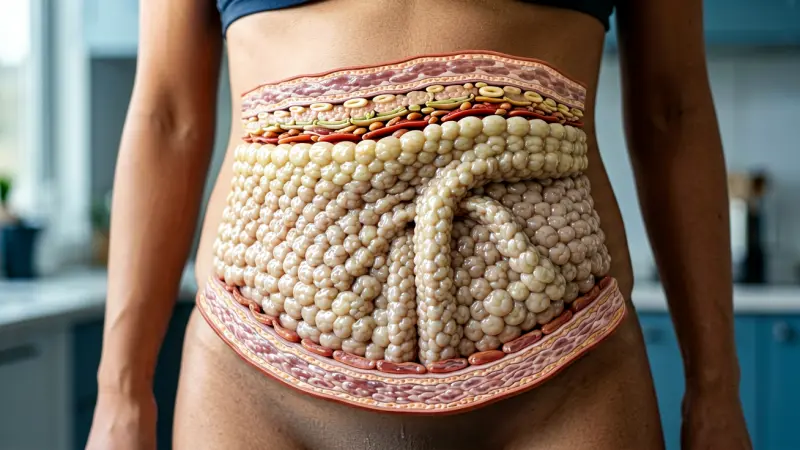
It is important to distinguish between cosmetic dissatisfaction and actual physical discomfort. Physical discomfort from abdominal fat usually arises from three distinct sources: mechanical pressure, skin issues, and core weakness. Mechanical pressure occurs when the mass of fat pushes against the ribs, pelvis, and organs.
This can make deep breathing feel restricted or cause a constant feeling of tightness. Many people report that this tightness is worse after eating, as the combined volume of food and existing fat increases intra-abdominal pressure.
Skin problems are a frequent but often overlooked contributor to discomfort. When skin folds rub together, they can cause moisture retention, irritation, and intertrigo, which is a red, inflamed rash. This friction is painful and can lead to secondary infections if not managed.
Furthermore, a heavy midsection shifts your center of gravity forward. To compensate, your lower back muscles and ligaments must work harder to keep you upright, leading to chronic lower back pain and posture strain. If you have been dealing with workplace stress that exacerbates tension, consider how your body holds that stress in your muscles, which can compound the physical strain of carrying extra weight.
See why workplace culture and stress management matter for context on how external pressures interact with physical health.
Immediate Comfort Strategies for Daily Life
Adjusting Clothing and Posture
The first step to reducing discomfort is minimizing friction and pressure. Tight waistbands and synthetic fabrics that do not breathe tend to trap heat and moisture, worsening skin irritation. Switching to cotton or moisture-wicking materials can provide immediate relief.
Structured support garments, such as a well-fitting bra or waist trainer, can also help. However, these should not be worn all day or too tightly, as they can restrict diaphragmatic breathing. Use them only when necessary for support, not as a permanent solution.
Postural adjustments are equally critical. Keeping the hips stacked directly under the shoulders reduces the lever arm created by the abdominal mass, lowering the strain on the lower back.
Simple ergonomic changes at home and work can make a significant difference. If you sit for long periods, ensure your chair supports your lower back and your feet are flat on the floor. Raising your feet slightly on a small block can shift the pelvis into a neutral position, reducing anterior pelvic tilt.
This tilt often occurs with significant belly fat and can make the discomfort of abdominal pressure feel more intense by altering spinal alignment.
Managing Skin Irritation and Friction
For those suffering from chafing or intertrigo, keeping the skin folds clean and dry is essential. Use a soft cloth or a no-rinse wash to clean the area gently after sweating. Apply a barrier cream, such as zinc oxide or petroleum jelly, to prevent skin-on-skin contact.
Powder products should be used with caution, as they can clump when mixed with moisture and cause further irritation. If the redness persists or becomes painful, it may indicate a fungal infection, which requires specific treatment. These practical hygiene steps address the immediate source of pain without requiring significant weight loss.
Long-Term Solutions: Reducing Visceral Fat and Building Core Strength
While immediate comfort measures help, the root cause of the mechanical pressure is the accumulation of fat, particularly visceral fat. Visceral fat is the fat stored around the organs, deep within the abdomen. It is metabolically active and linked to various health risks.
Reducing this type of fat typically requires a combination of nutritional changes and physical activity. However, it is not just about losing weight; it is about changing the composition of the abdominal area. Building the muscles of the core, including the transversus abdominis and obliques, can help support the abdominal contents and improve posture.
Strong core muscles act like an internal corset, stabilizing the spine and reducing the strain on the lower back. This is particularly important when the abdominal mass is significant. Exercises such as planks, dead bugs, and pelvic tilts are low-impact ways to build this stability without putting excessive pressure on the joints.
If you are new to exercise, start with low intensity and focus on form. The goal is to create a supportive muscular structure that can bear the load of the belly more efficiently. Consistency is key; gradual strength gains over weeks lead to noticeable improvements in comfort and confidence.
Nutritional Considerations for Comfort and Fat Loss
What you eat directly impacts how your body stores fat and how comfortable you feel after meals. Diets high in refined sugars and processed carbohydrates can lead to insulin spikes, which promote the storage of visceral fat. Reducing these foods can help shift the body’s metabolism toward burning fat for fuel.
Additionally, high-sodium foods cause water retention, which can make the abdomen feel bloated and tight. Reducing salt intake and increasing water consumption can help manage this temporary bloat. However, be mindful that water retention is a complex process, and simply drinking more water is not always the sole solution; electrolyte balance also matters.
Fiber-rich foods, such as vegetables, fruits, and legumes, support digestive health and can help regulate bowel movements. Constipation or irregular digestion can contribute to abdominal discomfort and bloating, compounding the feeling of fullness. A balanced diet that includes adequate protein helps preserve muscle mass during weight loss, ensuring that you lose fat rather than muscle.
Protein also has a higher thermic effect, meaning the body uses more energy to digest it, which can slightly aid in calorie management. Focus on whole, unprocessed foods to provide sustained energy and reduce inflammation.
Hydration and Digestive Health
Staying hydrated is crucial for overall digestive efficiency. Dehydration can slow down gut motility, leading to constipation and increased bloating. Aim for consistent water intake throughout the day, rather than large amounts at once.
Herbal teas, such as peppermint or ginger, may also help soothe digestive discomfort, though individual responses vary. If you experience frequent gas or indigestion, tracking your food intake might help identify specific trigger foods. Each person’s digestive system is unique, so what works for one individual may not work for another.
Experiment with small changes to find your personal balance.
Common Mistakes That Increase Discomfort
Many well-intentioned efforts to reduce belly discomfort actually make it worse. One common mistake is relying heavily on waist trainers or tight compression garments for extended periods. While these can provide temporary support, they can weaken the core muscles over time if used exclusively.
They do not build the internal strength needed to support the weight independently. Another mistake is ignoring pain signals. Pushing through severe back pain or joint discomfort during exercise can lead to injury.
Listen to your body; rest when needed, and modify exercises if they cause pain.
Avoiding the “all-or-nothing” approach to diet and exercise is also important. Crash diets or extreme caloric deficits can lead to muscle loss, fatigue, and metabolic slowdown, making the journey unsustainable. This often results in rebound weight gain and increased frustration.
Sustainable, moderate changes are far more effective in the long run. Additionally, ignoring mental health factors can worsen the physical experience. Stress and anxiety can tighten abdominal muscles and increase cortisol levels, which is linked to visceral fat storage.
Mindfulness practices and adequate sleep are vital components of a comprehensive approach to comfort and health.
When to Seek Professional Medical Help
It is essential to recognize when physical discomfort signals a medical issue rather than just a lifestyle concern. If you experience sharp pain, difficulty breathing at rest, persistent nausea, vomiting, or unexplained weight changes, seek medical attention immediately. These symptoms could indicate underlying conditions such as organ enlargement, gastrointestinal issues, or cardiovascular problems.
Even if the discomfort seems mechanical, a primary care physician or a specialist can evaluate your overall health. They can rule out serious causes and provide personalized guidance based on your medical history.
For those who have been trying lifestyle changes for several months without seeing improvement in comfort or fat levels, a consult with a registered dietitian or a certified personal trainer can be beneficial. These professionals can assess your specific situation, identify barriers to progress, and create a tailored plan. They can also help you set realistic goals and monitor your progress safely.
Do not rely on internet advice for medical diagnoses; professional evaluation is the standard for ensuring that your discomfort is being addressed correctly and safely.
Comparison of Comfort Management Strategies
To help you decide which approach to prioritize, the table below compares common strategies based on their immediate impact and long-term benefits. This helps in creating a balanced plan that addresses both the symptom (discomfort) and the cause (fat accumulation and core weakness).
| Strategy | Immediate Relief | Long-Term Benefit | Key Consideration |
|---|---|---|---|
| Clothing Adjustment | High | Low | Cost-effective, immediate, but does not address root cause. |
| Core Strengthening | Low | High | Requires consistency, improves posture and back health. |
| Caloric Deficit | Low | High | Sustainable rate of loss prevents muscle loss and rebound. |
| Skin Care/Routine | High | Medium | Prevents infection, essential for daily hygiene and comfort. |
| Stress Management | Medium | High | Reduces cortisol, aids in sleep and emotional well-being. |
Notice that no single strategy is perfect on its own. Clothing adjustments provide quick relief but do not change your body composition. Core strengthening takes time but offers permanent structural support.
Combining these approaches yields the best results. For example, using supportive clothing while beginning a core strength program provides immediate comfort while building long-term resilience. This integrated approach is typically more effective than focusing on one area exclusively.
Frequently Asked Questions
Why does my belly feel tight after eating?
After eating, your stomach expands to accommodate food, increasing pressure in the abdominal cavity. If you have a significant amount of visceral or subcutaneous fat, this added volume can press against the surrounding tissues and organs, leading to a sensation of tightness or fullness. This is a normal physiological response, but it can feel more pronounced if the abdominal muscles are weak or if the diet is high in gas-producing foods.
Managing portion sizes and eating slowly can help mitigate this effect.
Can I lose belly fat specifically by doing ab exercises?
Spot reduction, or losing fat in one specific area while preserving it elsewhere, is not possible. When you create a caloric deficit through diet and overall physical activity, your body burns fat from all over, including the abdomen. Ab exercises build the underlying muscle, which can improve the appearance of the midsection by increasing muscle tone and support, but they do not directly burn the fat layer on top.
Therefore, a combination of cardio, strength training, and nutrition is the standard approach for reducing abdominal fat.
Is it normal to feel back pain with a large belly?
Yes, it is common. A large abdominal mass shifts your center of gravity forward, forcing the lower back muscles and ligaments to work harder to maintain an upright posture. This is known as anterior pelvic tilt, which can strain the lumbar spine.
Strengthening the core, particularly the transversus abdominis and glutes, can help counterbalance this shift and reduce back pain. Improving posture through ergonomic adjustments at your desk or home can also provide significant relief.
How much weight loss is needed to notice comfort improvement?
Even a modest weight loss of 5% of your current body weight can lead to noticeable improvements in comfort and mobility. This is because the mechanical load on your joints and back is reduced, and skin friction may decrease. You do not need to reach a specific “goal” weight to feel better.
Consistent, gradual progress is more sustainable and effective than rapid loss. Focus on how you feel day-to-day, such as less breathlessness or reduced back pain, as markers of success.
What role does sleep play in belly discomfort?
Sleep is critical for hormonal balance. Poor sleep increases cortisol and ghrelin, hormones that promote fat storage and increase appetite. It also reduces leptin, the satiety hormone, making it harder to control food intake.
Additionally, lack of sleep can increase inflammation in the body, which may contribute to overall discomfort. Prioritizing 7-9 hours of quality sleep supports your metabolic health and aids in recovery from physical activity, making it a key component of any plan to reduce belly fat and discomfort.
Conclusion
Addressing the discomfort of significant belly fat requires a multi-faceted approach that combines immediate comfort measures with long-term lifestyle changes. Start by reducing friction and pressure through clothing adjustments and posture corrections. Simultaneously, begin building core strength and managing your nutrition to address the underlying fat accumulation.
Be patient with the process; significant changes in body composition and comfort take time. If symptoms are severe or unrelated to mechanical strain, seek medical evaluation to rule out underlying conditions. Your goal is not just to lose weight, but to regain physical ease and confidence in your daily life.