Buying yourself a promise ring is a rare and deeply personal gesture. It signals a commitment to yourself, a milestone in your relationship, or a symbolic bridge toward a future engagement. For some, it is a way to mark a new chapter in personal growth; for others, it is a tangible reminder of a vow made to a partner before the official proposal arrives.
This guide breaks down what a promise ring actually means, how to choose one that fits your life, and the etiquette surrounding this unique tradition.
What Is a Promise Ring?
A promise ring is a piece of jewelry worn to symbolize a commitment that goes beyond casual dating but has not yet reached the formal stage of an engagement. Unlike an engagement ring, which is typically offered by one partner to another as a precursor to marriage, a promise ring can be given by either partner, or even by yourself to yourself. The value lies in the intent behind the exchange.
It is a physical token of a verbal promise, whether that promise is “we will be exclusive for a year,” “I am dedicated to my personal growth,” or “we are waiting for the right time to get engaged.”
When you choose to buy a promise ring for yourself, the intention is distinct. It is an act of self-affirmation. It might mark the end of a difficult period, the start of a new career, or a declaration of self-worth independent of romantic status.
This differs from a “pre-engagement ring,” which is specifically a placeholder for a future diamond. A self-purchased promise ring is a mirror, not a marker of another person’s intent.
Why Buy a Promise Ring for Yourself?
While most promise rings involve two people, self-purchase is a growing trend in modern relationship dynamics. The primary reason is agency. In many traditional narratives, the “promise” is something received.
By buying it yourself, you take ownership of the commitment. You are promising yourself that you will stay true to your values, your goals, and your boundaries. This is particularly common among individuals who have experienced one-sided relationships or those who are building their identity after a breakup.
Another common motivation is financial independence. Rather than waiting for a partner to buy a piece of jewelry that may not align with your personal style, you select something that perfectly reflects your taste. It also allows you to control the timing.
You do not need to coordinate a purchase with a partner’s paycheck or a significant anniversary date. You buy it when it feels right for you. This approach emphasizes that your happiness and stability do not require external validation to be “promised” or guaranteed.
Promise Rings vs. Engagement Rings: Key Differences
Understanding the distinction is crucial to avoiding mixed signals in the future. An engagement ring is a specific contractual signal in most Western cultures: it implies a planned marriage. A promise ring is softer.
It implies a strong bond and exclusivity, but leaves the door open to various outcomes. When buying for yourself, this distinction is even sharper. A self-bought ring is not a promise to a partner, so it should not be mistaken for one if you are currently in a relationship where traditional engagement norms apply.
If you are in a relationship and considering a self-purchased ring, clarity is key. Make sure your partner understands that this is a personal milestone for you, not a “pre-proposal” that they are expected to match. The table below outlines the typical differences to help you categorize your intention.
| Feature | Self-Bought Promise Ring | Partner-Given Promise Ring | Engagement Ring |
|---|---|---|---|
| Primary Symbolism | Self-commitment, personal growth, independence | Exclusivity, future intent between two people | Formal intent to marry |
| Timing | Whenever the wearer feels the need | Usually after dating for a significant period | Pre-nuptial |
| Typical Design | Simple, elegant, often solo stone or band | Similar to self-bought, sometimes custom | Usually more elaborate, often larger center stone |
| Financial Source | Self-funded | Partner-funded | Traditionally partner-funded, now often split |
| Future Implication | None specific, purely personal | Possible engagement later | Marriage expected |
Choosing the Right Style for Your Personal Commitment
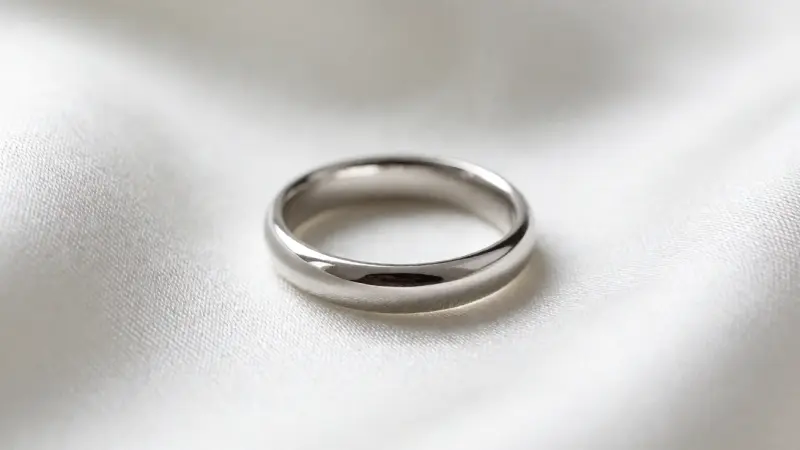
Since you are the one paying and the one wearing it, your aesthetic preference is the primary driver. However, the design should reflect the emotional weight of your promise. A heavy, ornate diamond cluster might feel excessive if the promise is simply “I will take better care of my mental health.” A sleek, minimal band or a delicate solitaire stone often carries a lighter, more modern energy that aligns well with personal growth milestones.
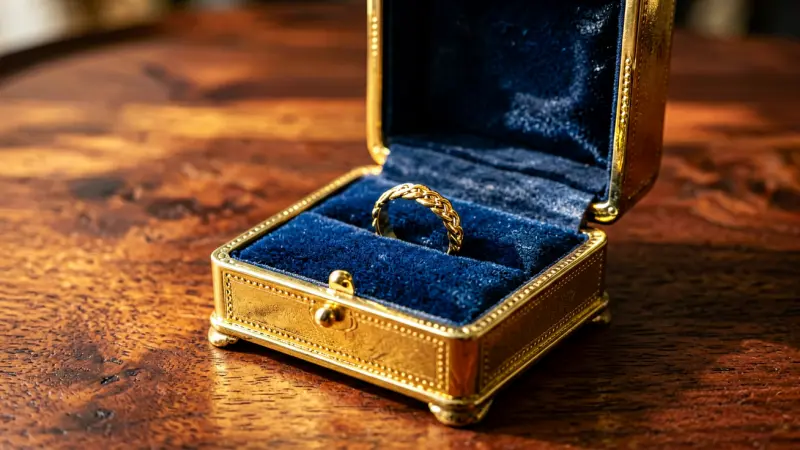
Consider the metal. Gold tones are warm and classic, suitable for romantic or soft personal affirmations. Platinum and white gold are cool and versatile, often perceived as more formal or enduring.
Silver is a popular, accessible option for first-time jewelers or those who prefer a low-maintenance aesthetic. Think about your daily lifestyle. If you work with your hands or are an active outdoorsperson, a lower-profile setting protects the stone and the metal from wear.
If you lead a corporate or formal life, a more detailed setting may fit the dress code better.
Practical Considerations Before You Buy
One of the most frequent reasons self-purchased rings fail to meet expectations is sizing. Unlike buying for a partner where you might guess or measure stealthily, you have the advantage of precision. However, ring size can fluctuate based on temperature, time of day, and even hydration levels.
If you are a first-time ring wearer, you may not know what size feels “correct” to you. Some people prefer a ring to slide on and off easily, which requires a slightly larger size. Others like it to feel snug.
Use a ring sizer from a local jeweler to get an accurate measurement rather than relying on a printed ruler from a website.
Budget is another critical factor. A promise ring does not need to be expensive to be meaningful. A high-quality silver ring with a small cubic zirconia or moissanite stone can look elegant and last for years.
If you are saving for a larger future investment, a promise ring can be a “test drive” for a style you might want to carry over into a wedding band later. Some jewelers allow you to trade in a promise ring stone toward an engagement ring, though this policy varies widely by store.
Common Mistakes to Avoid
The most common error is ambiguity. If you are in a relationship, assuming your partner will understand the nuance of a self-bought promise ring is risky. You must communicate the intent explicitly.
Otherwise, a partner might interpret a self-bought ring as a critique of their ability to provide or a signal that you are keeping your options open. Clear communication prevents unnecessary hurt feelings and misunderstandings later.
Another mistake is prioritizing the symbol over the fit. A beautiful ring that pinches your finger or catches on your clothes becomes a source of irritation rather than joy. A promise ring is meant to be worn daily as a reminder.
If it is uncomfortable, you will take it off, and the symbolic weight of the purchase disappears. Prioritize comfort and maintenance ease over intricate details that trap dirt or snag fabric.
What If My Partner Doesn’t Like It?
It is possible that your partner may feel left out or confused by a self-purchased promise ring. This is a natural reaction, especially in relationships that follow traditional gendered scripts. In this case, the best approach is dialogue.
Explain that the ring is a personal milestone for you, not a replacement for their commitment. You might invite them to choose a complementary band or a matching bracelet to symbolize your shared bond, turning a potentially divisive moment into a collaborative one. If they remain uncomfortable, respect their feelings and consider if the ring needs to be worn prominently in shared social spaces or if it should remain a private keepsake.
How to Choose a Quality Ring on a Budget
When buying for yourself, you have the leverage to hunt for value. Look for reputable second-hand platforms that sell certified pre-owned jewelry. This allows you to buy higher quality materials, like 14k gold, at a fraction of the retail markup. When inspecting a used ring, check for prong integrity and stone security. A loose stone is a red flag that the ring needs immediate repair.
For new purchases, understand the difference between carats and diamond clarity. You do not need a large diamond to have a high-quality piece. A smaller, well-cut stone with excellent clarity will sparkle more than a large, cloudy one.
Many online retailers offer “buy-back” policies where you can return a ring within 30 days if it doesn’t meet your expectations. Use this policy to try different styles in person before committing to a final size and design.
FAQs About Self-Bought Promise Rings
Is it weird to buy a promise ring for yourself?
No, it is increasingly common as a symbol of self-love and independence. It is not weird unless you are in a relationship where your partner expects to be the sole provider of romantic symbols. As long as your intent is clear to those around you, it is a valid personal milestone.
Can I wear a promise ring and later get an engagement ring?
Yes. Many people wear a promise ring on one finger (like the left middle finger) and an engagement ring on another (like the left ring finger). Alternatively, you can replace the promise ring with the engagement ring. If the promise ring has a similar size and style, it can often be repurposed or traded in for credit toward the new ring.
What finger should I wear a self-bought promise ring on?
Traditionally, promise rings are worn on the left middle finger or the left ring finger. However, since it is a personal symbol, you can wear it on any finger. The left middle finger is often chosen to distinguish it from wedding bands and engagement rings, signaling that it is a separate, personal commitment.
How long should I wait before buying a self-bought promise ring?
There is no strict timeline. It is a personal marker. You might wait until you have achieved a specific goal, such as buying a home or finishing a degree. The “waiting period” is less about time and more about the significance of the moment you are marking.
Are moissanite stones a good choice for a promise ring?
Yes. Moissanite is a durable, diamond-like gemstone that is significantly less expensive than natural diamonds. It is excellent for daily wear because it is resistant to scratches. For a self-bought promise ring, where value and durability are key, moissanite is a practical and aesthetic choice that allows for a larger look within a smaller budget.
Final Thoughts on Self-Commitment
Buying yourself a promise ring is a powerful act of self-regard. It transforms an abstract feeling of determination into a tangible object you can see on your hand every day. The success of the purchase does not depend on the cost or the brand, but on whether the ring resonates with the specific promise you are making to yourself.
Choose a design that fits your daily life, communicate your intent clearly to any partner, and ensure the ring is comfortable enough to stay on your finger. When you look at your hand, you should feel a sense of alignment with your own goals, not a display of status for others.
Also Read –
What Does “Maturing Is” Mean? Decoding the Phrase and Its Usage
Pit in My Stomach Won’t Go Away: Causes, Comfort Measures, and When to Seek Help
I Accidentally Ate a Maggot: What to Do and Why It Might Be Safe