Many home offices and living rooms suffer from dim corners and sparse sunlight, making it difficult to keep houseplants alive. Standard advice often points toward sun-loving species that quickly yellow and drop leaves in these shadowy spots. This guide identifies seven resilient plants that thrive in low-light conditions, explaining why they survive when others fail and how to maintain them without guesswork.
Understanding Low Light: It Is Not Darkness
Before selecting a plant, it is crucial to define what “low light” actually means in a residential setting. True low light refers to rooms with no direct window exposure, or corners at least 10 feet away from a window. It does not mean a pitch-black closet.
Most “low light” plants actually prefer bright, indirect light but can tolerate lower levels for extended periods without immediate death. They just grow slower and retain their color longer in darker environments.
Understanding this distinction prevents over-watering. A common mistake is assuming that because the plant is in the shade, the soil dries out faster. In reality, low light slows down photosynthesis and transpiration.
This means the soil holds moisture much longer. If you continue watering on a standard schedule meant for bright-light plants, you risk root rot. The goal is to match the watering frequency to the light level, not just the plant species.
The Top 7 Plants That Thrive in the Shadows
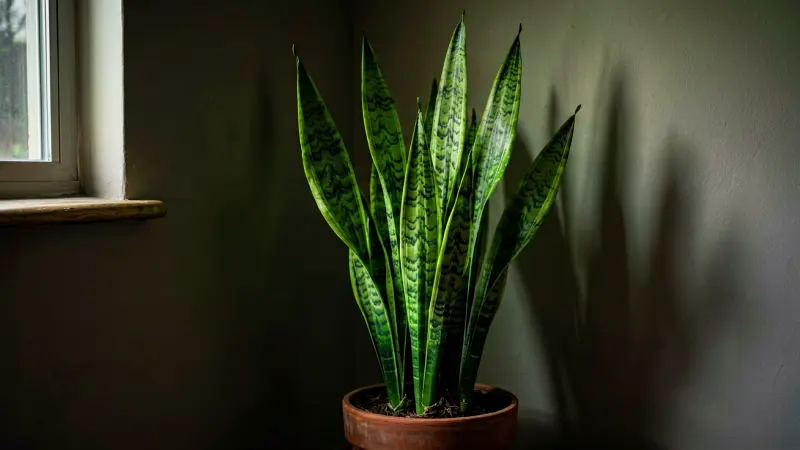
1. Snake Plant (Sansevieria)
The snake plant is arguably the most forgiving houseplant available. It tolerates a wide range of conditions, including neglect and low light. While it grows best in bright light, it survives beautifully in dim hallways or bathrooms.
The leaves hold their stiff structure well, making them ideal for modern decor. If you are struggling with small spaces, consider pairing one with tips on how to style a small living room to integrate the plant into your layout.
2. Pothos (Epipremnum aureum)
Pothos is a vigorous grower that adapts quickly to its environment. In low light, the variegation on the leaves may fade slightly, turning more solid green, but the plant remains healthy. It is perfect for shelves where you can let the vines cascade down.
Pothos is also relatively low maintenance, fitting well into busy schedules. Its resilience makes it a great starter plant for anyone feeling overwhelmed by plant care requirements.
3. ZZ Plant (Zamioculcas zamiifolia)
The ZZ plant is native to dry, tropical forests, which explains its ability to handle neglect and low light. It stores water in its rhizomes (underground stems), meaning it can go weeks without watering. This makes it perfect for renters who worry about over-watering.
The glossy, dark green leaves provide a sophisticated look that works well in minimalist interiors. It is one of the few plants that truly loves low-light corners more than bright windowsills.
4. Cast Iron Plant (Aspidistra elatior)
As its name suggests, the cast iron plant is nearly indestructible. Historically, it was popular in Victorian homes specifically because it survived in dim, smoky parlors. It tolerates very low light better than almost any other foliage plant.
The leaves are large and dark, absorbing maximum light energy. This makes it a strong candidate for offices or bedrooms where you want greenery without the maintenance hassle. It rarely sends up trouble flags unless frozen or left in total darkness.
5. Peace Lily (Spathiphyllum)
Peace lilies are popular for a reason: they signal when they need water by drooping dramatically. Once watered, they perk up within a day. They are native to shady rainforest floors, so low light is their natural habitat.
The white flowers are a bonus, though they may be less frequent in very dark spots. This plant is also known for its air-purifying qualities, making it a practical addition to indoor spaces. Keep in mind that it is toxic to pets, so placement matters.
6. Philodendron (Hawaiian Baby or Selloum)
Many Philodendron species are excellent for low light. The “Hawaiian Baby” is particularly compact and cute, ideal for desks. The “Selloum” (Cimicifuga) is a sturdy, arbor-like plant that adds height without requiring a stake.
These plants have thinner leaves compared to the snake plant, which allows them to capture more available light. They are sensitive to cold drafts, so avoid placing them near doors that let in winter air.
7. Boston Fern (Nephrolepis exaltata)
Ferns are often stereotyped as difficult, but the Boston fern is an exception in terms of light requirements. It prefers humidity and indirect light, not sun. In a low-light bathroom, where steam provides the necessary humidity, it will thrive.
The trick is keeping the soil consistently moist. If the fronds turn crispy and brown, it is a sign of dryness or low humidity. This plant adds texture and movement to static spaces.
Comparison: Choosing the Right Plant for Your Space
Selecting the right plant depends on your aesthetic preferences and maintenance tolerance. The table below breaks down the key differences between these top contenders to help you make a final decision based on your specific room conditions.
| Plant | Low Light Tolerance | Water Needs | Best For | Pet Safety |
|---|---|---|---|---|
| Snake Plant | High | Very Low | Neglectful owners, bedrooms | Toxic |
| Pothos | High | Medium | Shelves, beginners | Toxic |
| ZZ Plant | Very High | Very Low | Corners, offices | Toxic |
| Cast Iron | Very High | Low | Shady living areas | Non-Toxic |
| Peace Lily | High | Medium-High | Bathrooms, humid spaces | Toxic |
| Philodendron | High | Medium | Desks, hanging baskets | Toxic |
| Boston Fern | Medium | High | Bathrooms, humid rooms | Non-Toxic |
Common Mistakes That Kill Low-Light Plants
Overwatering Due to Misconceptions
The number one killer of low-light plants is excessive moisture. Because the plant uses less energy to pump water up the stem when light is scarce, the soil stays wet for weeks. If you follow a rigid “water every seven days” schedule, you are ignoring the plant’s actual needs.
Always check the soil before watering. Stick your finger one inch deep. If it feels damp, wait another week.
In winter, low-light plants may need water only once every 2-3 weeks.
Using the Wrong Pot and Soil
Many low-light plants, like the ZZ and Snake plant, are succulents or adapted to dry conditions. Standard potting mix is often too heavy and retains too much water. Mix in perlite or coarse sand to improve drainage.
Additionally, ensure the pot has drainage holes. Clogged drains lead to root rot, which kills the plant long before the leaves yellow. If you use a decorative ceramic pot without holes, place the plastic nursery pot inside it.
Ignoring Root Bound Conditions
Contrary to popular belief, some low-light plants prefer being slightly root-bound. The ZZ plant and Sansevieria do not need frequent repotting. In fact, repotting them too often can stress them and cause shock.
Check the roots only when the plant stops growing for over a year. If roots are circling the pot and coming out of the bottom, it is time to move up one size pot. More is not always better; stunted growth can actually be a sign of health in these species.
Maintenance Routines for Long-Term Health
Even the easiest plants require minimal upkeep to look their best. Dust accumulates on the broad leaves of Cast Iron and Peace lilies, blocking the little light they do receive. Wipe the leaves gently with a damp cloth every month.
This simple act improves photosynthesis and prevents pests from hiding under the leaf surface. For hanging Pothos, use a soft brush or a quick shower on the balcony to clean without disturbing the root ball.
Fertilization is another area where less is more. Low-light plants grow slowly, so they consume fewer nutrients. A balanced, water-soluble fertilizer applied once every two months during spring and summer is sufficient.
Over-fertilizing burns the roots, causing brown tips and leaf drop. If you are not sure whether your plant needs feeding, observe its growth. If no new leaves appear in three months, it is dormant and should not be fertilized.
FAQs About Low Light Houseplants
Can I keep plants in a room with no windows?
True windowless rooms are challenging for plants. Most “low light” plants still need some ambient light. If your room is completely dark, use an LED grow light for 6-8 hours a day.
Without artificial light, very few plants will survive long-term, except perhaps temporary ferns in bathrooms with consistent humidity. Check the light levels; if you can read a newspaper comfortably in the spot, it is likely bright enough for most of the plants listed above.
Why are my low-light plant leaves turning yellow?
Yellowing leaves usually indicate overwatering, not light deficiency. In low light, the soil stays wet longer, leading to root rot which manifests as yellowing foliage. Remove the plant from the pot and check the roots.
If they are mushy and brown, trim away the dead parts and repot in fresh, dry soil. Let the top two inches of soil dry out completely before watering again. If the leaves are yellowing but the soil is dry, it may be a natural aging process; simply trim off the old leaves.
Do low-light plants purify the air effectively?
While studies like the NASA Clean Air Study suggest plants can remove some volatile organic compounds, the effect is minimal in a large room. You would need an absurd number of plants to significantly impact air quality. However, keeping healthy plants has been linked to reduced stress and improved mood.
Focus on the aesthetic and psychological benefits rather than expecting significant air filtration. Pair your plants with proper ventilation for real air quality improvements.
Final Thoughts
Choosing easy indoor plants for low light comes down to matching the species’ biology with your specific room conditions. The ZZ plant and Snake plant offer the highest tolerance for neglect, while the Boston Fern and Peace Lily require slightly more attention to humidity. The most critical factor is not the light level, but your watering habit.
Watch the soil, not the calendar. By respecting the slower metabolism of shade-tolerant plants, you will enjoy lush, healthy greenery without the constant worry of kill them by loving them too much. Start with one or two plants, learn their rhythms, and expand your collection as your confidence grows.