Living in a compact space often feels like a puzzle with missing pieces. Many homeowners struggle with clutter and cramped furniture layouts. This creates a stressful environment that hinders relaxation and entertainment. The goal is to create a space that feels open and functional. It is not about sacrificing style for square footage.
Small spaces have unique advantages that large rooms lack. They offer a cozy atmosphere and easier maintenance. The challenge lies in maximizing vertical space and choosing the right furniture. Designers use specific tricks to make rooms appear larger. These methods rely on visual illusions and smart storage solutions. Understanding these principles transforms a tiny room into a chic sanctuary.
Master the Art of Vertical Space
Most small living rooms have underutilized wall space. People often forget that height matters as much as floor area. Installing floor-to-ceiling curtains creates an illusion of height. This makes the room feel taller and more expansive. It also allows for more natural light to enter the space. Heavy drapes can make the room feel claustrophobic. Choose lightweight, airy fabrics to keep the vibe open.
Wall-mounted shelves are a game-changer for small rooms. They provide storage without taking up floor space. Keep the items displayed minimal and curated. Too many knick-knacks create visual clutter and chaos. Group similar items together for a cohesive look. Use vertical plants to bring greenery up and add life. Hanging organizers on the back of doors work well for small items. This keeps the floor clear for easy movement and cleaning.
Choose Scale and Proportion Wisely
Furniture size is the most critical element in small room styling. A bulky sofa can overwhelm a compact room instantly. Look for pieces with slim profiles and exposed legs. This allows the floor to be visible, creating depth. A sofa with legs looks lighter than a boxy base. This visual trick makes the room feel less confined. Avoid oversized sectional sofas in tight quarters. Stick to compact two or three-seater sofas instead.
Statement furniture can still work in small spaces. One large, high-quality piece is better than three small, cheap ones. A single statement rug can define the seating area. Ensure the rug is large enough to anchor the furniture. If it is too small, it makes the room look chopped up. Use round coffee tables to soften sharp corners. They also make it easier to navigate around tight spaces. Avoid low, wide coffee tables that block sight lines.
Modular and Multi-Functional Furniture
Invest in furniture that serves two or more purposes. A sofa bed is great for guests but bulky. Look for lift-up storage sofas instead. These provide hidden storage for blankets and media. Ottomans with internal storage are excellent for small rooms. They serve as extra seating or a coffee table. This dual function maximizes utility without adding clutter. Choose modular shelving units that grow with your needs. This flexibility is crucial for evolving lifestyles and collections.
Consider fold-down desks or wall-mounted desks. These disappear when not in use. They are perfect for small home offices within living areas. Use nesting tables for additional surface space. They can stack up when not needed. This keeps the pathways clear for easy movement. Prioritize functionality over decorative excess in compact spaces. Every item should have a clear purpose and place.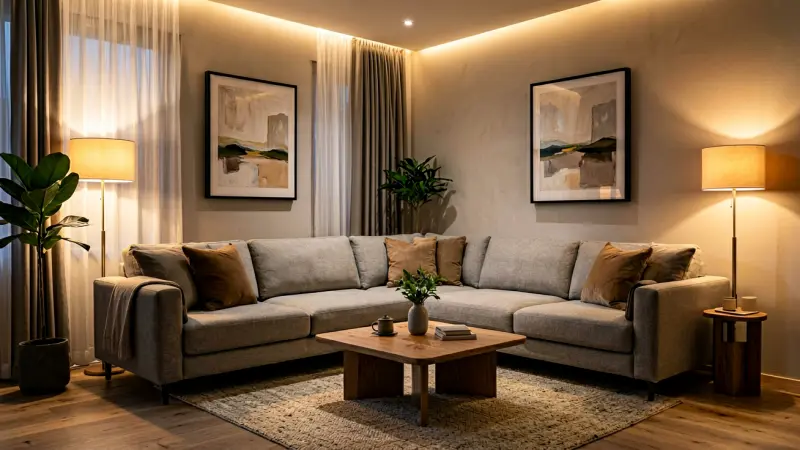
Lighting and Visual Illusions
Lighting is the most powerful tool for small spaces. A single overhead light casts harsh shadows and pools of darkness. Layered lighting creates depth and warmth. Use floor lamps and wall sconces instead of ceiling fixtures. This distributes light evenly throughout the room. Mirrors are essential for reflecting light and space. Place a mirror opposite a window to bounce natural light. This makes the room feel twice as large instantly.
Color psychology plays a huge role in perceived space. Light colors expand a room visually. White, beige, and soft gray are classic choices. However, you do not have to stick to neutrals. A monochromatic color scheme with varying textures adds interest. For example, use different shades of blue on walls, sofa, and rugs. This creates a calm, expansive feel without visual breakups. Dark colors can work if used strategically. Paint only one accent wall in a deeper shade. This draws the eye inward and creates focus.
Strategic Furniture Placement
Floating the furniture away from walls is a pro trick. Do not push every piece against the perimeter. Pull the sofa slightly into the center of the room. This creates a more inviting, conversational layout. It also makes the room feel larger by separating walls. Ensure there is at least 18 inches of clearance for walking. This prevents the space from feeling like a maze. Use side tables instead of a large coffee table. This opens up the center of the seating area.
Define zones with rugs and lighting. A small living room might serve as both a lounge and a workspace. Use a rug to visually anchor the seating area. This separates it from the walking path or desk zone. Hanging pendant lights can also define specific areas. This helps organize the space without physical dividers. Keep pathways clear and uncluttered at all times. Visual clutter makes small spaces feel even smaller and more chaotic.
Smart Storage Solutions
Clutter is the enemy of small space styling. Without enough storage, items pile up on surfaces. This creates a messy and stressful environment. Utilize under-bed storage if the room doubles as a guest space. Use slim storage units that fit into narrow gaps. Look for cabinets with hidden doors to keep views clean. Vertical bookcases that reach the ceiling are ideal. They store items high out of sight. This frees up the lower eye level for decoration.
Declutter aggressively before buying new storage. Donate or sell items you do not use. A small room cannot house a large collection. Choose storage furniture that matches your color scheme. This makes the storage disappear into the decor. Baskets and bins are great for grouping similar items. Use them on shelves to reduce visual noise. A tidy room is the foundation of a stylish small space. Regular maintenance of this order is essential for lasting results.
| Design Element | Best Practice for Small Rooms | Avoid |
|---|---|---|
| Furniture Scale | Slim profiles, exposed legs, modular pieces | Boxy bases, oversized sectionals, bulkiness |
| Color Palette | Light neutrals, monochromatic schemes, high contrast accents | Heavy patterns, dark walls on all sides, visual chaos |
| Lighting | Layered lighting, mirrors, floor lamps | Single overhead fixture, dark corners, lack of mirrors |
| Storage | Vertical shelving, multi-functional furniture, hidden compartments | Open clutter, excessive decorative items, low cabinets blocking view |
| Windows | Floor-to-ceiling curtains, sheer fabrics, unobstructed view | Heavy drapes, short curtains, blocking natural light |
Decorative Touches and Personalization
Decor should enhance the space, not crowd it. Less is more when styling a small room. Choose one or two statement pieces instead of many small ones. A large piece of art can anchor a wall. It draws the eye and creates a focal point. Avoid overcrowding shelves with small trinkets. Group similar items together for a curated look. This reduces visual noise and creates harmony. Leave some empty space on walls and shelves. Breathing room is essential for a calm atmosphere.
Textiles add warmth and comfort to small spaces. Use throw pillows and blankets in varying textures. This adds depth without taking up physical space. Choose lightweight fabrics to maintain the airy feel. Incorporate plants for biophilic benefits. A few vertical plants add life without needing floor space. Hanging planters are a stylish and efficient option. They bring nature into the compact environment. This improves air quality and overall well-being in small dwellings.
Maintaining a small space requires daily habits. Just like building a mindful morning routine sets the tone for a calm day, regular tidying sets the tone for a functional home. A five-minute daily decluttering habit prevents chaos from building up. This simplicity ensures the space remains inviting and stylish. It is about consistent care rather than occasional deep cleaning.
Common Mistakes to Avoid
Over-filling the room is the most common error. People want to compensate for small size with lots of items. This creates a cramped and stressful environment. Leave at least 30% of the floor space open. This allows for easy movement and visual flow. Another mistake is ignoring sight lines. Ensure you can see across the room without obstruction. This makes the space feel larger and more open. Blockages create a sense of confinement and claustrophobia.
Choosing the wrong rug size is another frequent mistake. A small rug makes the room feel chopped up. Ensure the rug is large enough to sit under the front legs of the sofa and chairs. This anchors the seating area and unifies the space. Finally, ignore natural light. Never block windows with large furniture. This is the enemy of a bright, airy small room. Maximize every opportunity for natural illumination and reflection.
Styling a small living room is about intentionality and balance. It requires thoughtful choices in every element. From furniture scale to lighting layers, each decision impacts the overall feel. Focus on functionality and visual flow. Avoid clutter and embrace vertical space. Use mirrors and light colors to expand the room. Create a space that feels both cozy and expansive. This balance is the key to successful small space design. Your living room can be stylish, functional, and peaceful regardless of size.
Final Thoughts on Small Space Living
Small living spaces offer a unique opportunity for creative design. They force a minimalist approach that can be very liberating. Own less, but own better quality pieces. This philosophy aligns with modern sustainable living trends. It also reduces stress and cleaning time. A well-styled small room is a sanctuary for rest and connection. It does not need to be large to be beautiful. Focus on the principles of light, space, and function. These elements will guide you to a stylish and comfortable home. Embrace the constraints as creative challenges rather than limitations.
Consider the broader lifestyle implications of your space. How your home looks affects how you feel. A chaotic room leads to a chaotic mind. A tidy, stylish room promotes calm and focus. Just as one might find clarity in unexpected places, like understanding what happened to Dalmatians in cultural memory, one can find clarity in interior design choices. Pay attention to small details that make a big difference. Perhaps even a change in morning rituals, like starting with a check of your coffee habits, can reflect a larger shift in living mindfully. Integrate these small changes into your home styling routine. The result will be a living space that truly works for you.
Remember that your style should reflect your personality. Do not copy trends blindly if they do not fit your life. Choose pieces that you love and use daily. This creates a personal connection to the space. A small living room can be the heart of your home. It can be a place of joy, relaxation, and connection. With the right styling strategies, it can outperform larger spaces in comfort and charm. Start with one change at a time. Build towards your ideal small space living environment. The effort will pay off in daily quality of life.