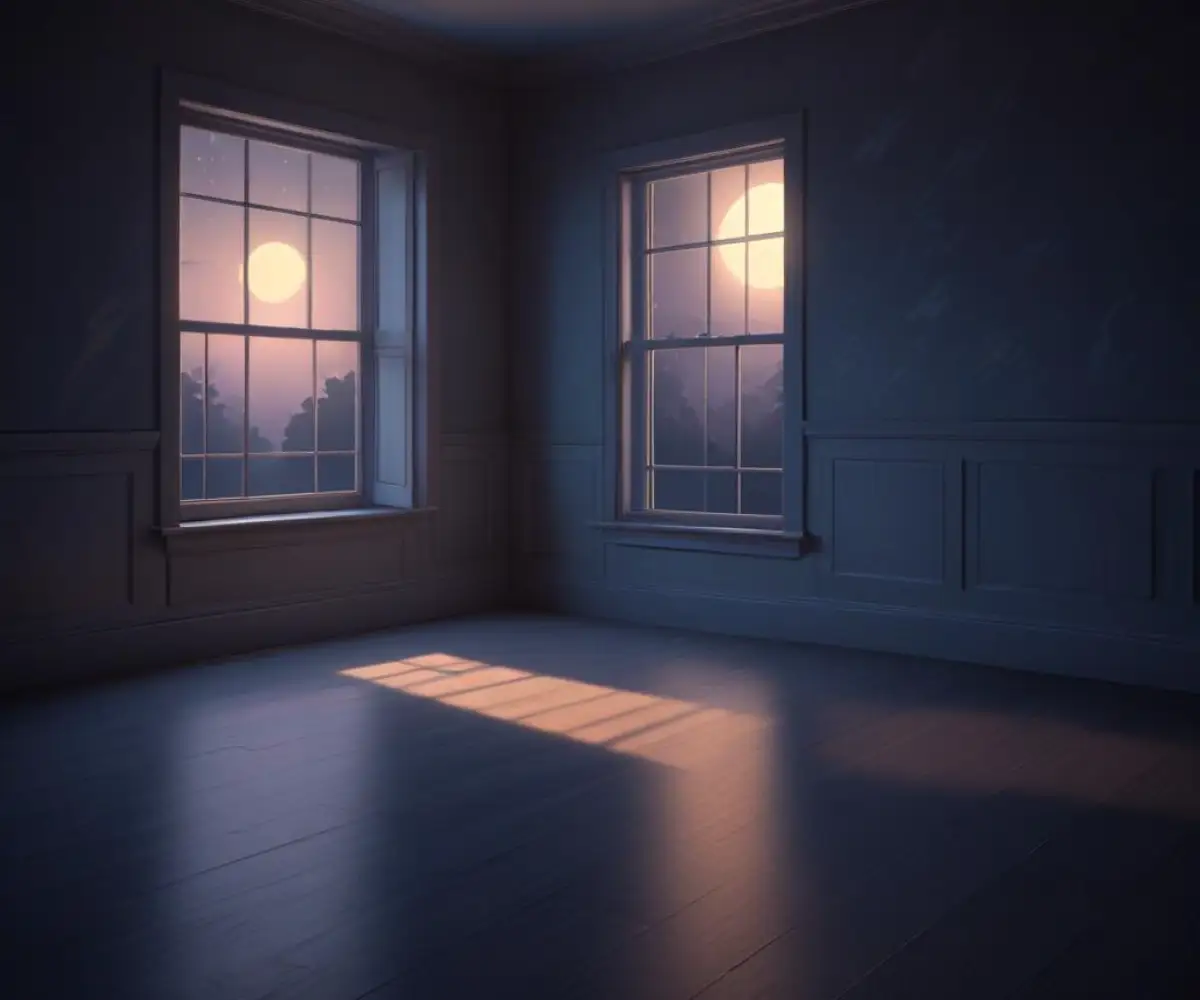
The house is still. The streets are silent. A quick glance at the clock confirms it’s that strange, suspended time between midnight and dawn, and a familiar question echoes in your mind: “Is anyone awake?”
This feeling is more than just sleeplessness; it’s a profound sense of isolation, a feeling that you are the only person left in a sleeping world. If this experience is familiar, you are far from alone in feeling this way.
The Silent Epidemic: Why We’re All Awake and Feeling Alone
Nighttime loneliness isn’t a personal failing; it’s a growing phenomenon fueled by modern life. When the sun goes down and daily distractions fade, we are left alone with our thoughts, which can often amplify feelings of isolation.
This experience is rooted in a complex mix of psychological, biological, and social factors that converge in the quiet stillness of the night.
The Digital Paradox: Hyper-Connected but Deeply Isolated
We live in an era of unprecedented connection. Social media feeds and instant messaging apps promise a world without loneliness, yet they often deliver a shallow substitute for genuine human interaction.
Scrolling through curated highlight reels can intensify feelings of inadequacy and exclusion. This digital “connectedness” paradoxically leaves many feeling more isolated, especially when the only light in the room is from a screen.
A Modern Sleep Crisis: Our Battle Against Biology
Our bodies are governed by internal clocks, or circadian rhythms, which regulate our sleep-wake cycles. However, modern lifestyles—filled with artificial light, late-night work, and constant stimulation—disrupt these natural patterns.
This disruption can lead to poor sleep quality and heightened levels of cortisol, the stress hormone, especially in the early morning hours. This biological jolt can trigger anxiety and a sense of dread, making it difficult to fall back asleep.
Your Chronotype: Are You a Wolf in a World of Bears?
Not everyone is built for a 9-to-5 schedule. Chronotypes are the natural inclinations of our bodies to sleep and wake at certain times. While most people (“Bears”) follow the sun, “Wolves” are night owls who are most productive and creative late at night.
Living on a schedule that fights your natural rhythm can lead to feelings of being out of sync with the world. This temporal isolation is a key, yet often overlooked, driver of nighttime loneliness.
Reclaiming the Night: Your Guide to Thriving After Dark
Feeling awake while the world sleeps doesn’t have to be a negative experience. By reframing this time and adopting proactive strategies, you can transform these lonely hours into a period of peace, productivity, and even connection.
The goal is to move from destructive loneliness to mindful solitude, using this quiet time to your advantage.
Mindful Solitude vs. Destructive Loneliness
The first step is to distinguish between being alone and being lonely. Solitude is a choice; it’s an opportunity for reflection, creativity, and self-discovery. Loneliness, on the other hand, is a painful, involuntary state of isolation.
Embrace the quiet. Instead of viewing your wakefulness as a problem, see it as a gift of uninterrupted time to invest in yourself.
The 3 AM Action Plan: Productive and Peaceful Activities
When you can’t sleep, lying in bed and ruminating is often the worst thing you can do. Instead, get up and engage your mind and body in a gentle, constructive way. This shifts your focus from the anxiety of sleeplessness to a sense of purpose.
Having a pre-planned menu of activities can remove the pressure of deciding what to do, making it easier to transition into a productive state. Consider creating a “nighttime toolkit” with everything you need for your chosen activities.
| Activity Type | Low-Energy Options | Creative Options | Mindful Options |
|---|---|---|---|
| For the Body | Gentle stretching or yoga | Dance quietly with headphones | Practice slow, deliberate breathing exercises |
| For the Mind | Read a book (print, not a backlit screen) | Journal or write down your thoughts | Listen to a guided meditation or calming music |
| For the Soul | Listen to an audiobook or podcast | Sketch, paint, or engage in a craft | Plan your perfect day or a future trip |
Building Your “Night Tribe”: Finding Connection in the Quiet Hours
You are not the only one awake. The internet, when used intentionally, can be a powerful tool for finding connection. There are entire communities of night owls waiting to connect.
Seek out forums, social media groups, and online communities dedicated to night shift workers, creatives, or people in different time zones. Engaging in real-time conversation can powerfully dissolve feelings of isolation.
Leveraging the Power of Companionship
The steady, quiet presence of a pet can be incredibly comforting during the lonely hours of the night. Their non-judgmental companionship provides a powerful antidote to isolation. Many find that the simple act of petting an animal can lower stress and create a sense of calm.
Whether you find solace in a purring cat or are simply not a canine enthusiast, the value of this bond is undeniable. For some, understanding the secret to a healthy bond with a pet can be a journey in itself, while others might feel more comfortable acknowledging I’m not a dog person and seeking other forms of companionship.
Preparing for a Better Day
How you handle your nights has a direct impact on your days. A cycle of sleepless, lonely nights can leave you feeling drained and disconnected, making it easy to feel tired on Friday and unable to enjoy your downtime.
By transforming your nighttime hours into something positive, you are investing in your daytime energy and overall well-being. A peaceful night, even if you are awake, leads to a more resilient and energized you.
When to Seek Professional Support
While these strategies can be highly effective, it’s important to recognize when nighttime loneliness and anxiety might be symptoms of a deeper issue. If your sleeplessness is chronic and accompanied by persistent feelings of sadness, hopelessness, or anxiety, it may be time to speak with a healthcare professional.
You are not expected to solve this alone. A therapist or counselor can help you develop personalized coping strategies and address any underlying conditions like depression or anxiety disorders.
Frequently Asked Questions
What does it really mean when someone posts “is anyone awake”?
While it can be a literal question, it often carries a deeper meaning. It can be a call for connection and understanding from someone who is feeling lonely, anxious, or distressed during the quiet hours of the night.
Why do people ask this question on social media or forums?
People often turn to online communities when they feel isolated and need immediate social interaction. Posting “is anyone awake” is a way to reach out for comfort, shared experiences, and a sense of belonging when they might not feel comfortable reaching out to friends or family late at night.
Is there a psychological reason why people do this?
Yes, this question can be linked to anxiety, depression, or general feelings of being overwhelmed. The anonymity and accessibility of the internet provide a space where individuals feel safe to express their vulnerability and seek support without fear of judgment.
What should I do if I feel the need to ask “is anyone awake”?
Reaching out online can be helpful, and there are many supportive communities available. It can also be beneficial to engage in calming activities like listening to music, writing down your thoughts, or watching a comforting show. If these feelings are persistent, seeking support from a mental health professional is recommended.