Choosing between Panda Express and Chipotle often comes down to deciding between Asian-inspired quick service and Mexican-style fresh builds. Both brands occupy the fast-casual space, but they offer fundamentally different dining experiences, menu structures, and nutritional profiles. This comparison helps you determine which chain aligns better with your dietary preferences, budget, and time constraints.
The Core Dining Experience Difference
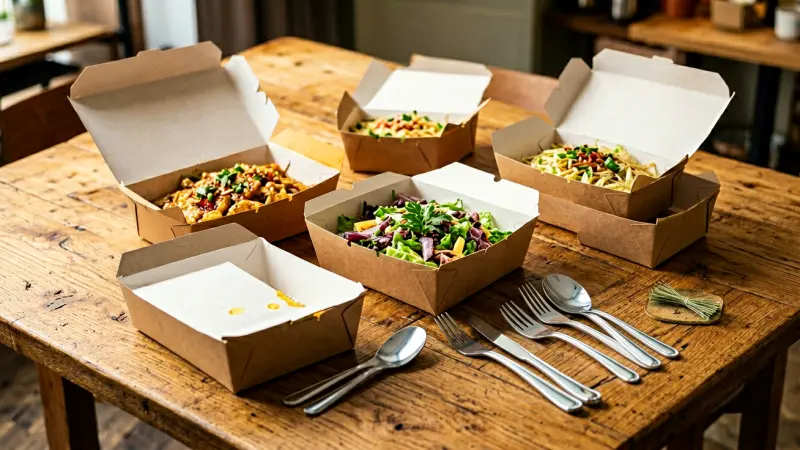
Panda Express operates strictly as a quick-service restaurant (QSR) where you order at a counter, wait for a bag or tray, and take it to a table. The focus is on speed and consistency. Chipotle functions as an assembly-line fast-casual spot where you watch your food being prepared and customize your meal from a line of fresh ingredients.
This structural difference dictates the level of control you have over your final plate.
Panda Express: The QSR Model
At Panda Express, meals are pre-prepared or cooked to order on a high-volume line. You choose a protein, a rice or noodle base, and a side. The customization options are limited to specific pairings, such as choosing sweet & sour over honey sesame chicken. This model prioritizes speed, which is why it remains a popular lunch option for office workers with limited break time.
Chipotle: The Build-Your-Own Model
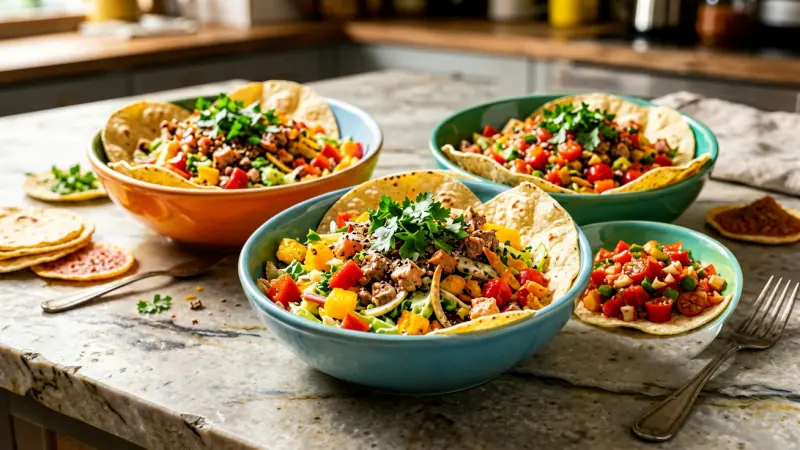
Chipotle offers a modular system where you select your bowl or burrito base, add proteins, and layer toppings like lettuce, cheese, and salsas. The freshness is a key selling point; produce is typically chopped and prepared in-store daily. This allows for greater transparency and adaptability for those with specific dietary needs, such as gluten-free or dairy-free requirements.
Menu and Flavor Profiles
The flavor profiles of these two chains cater to different palates. Panda Express serves classic American-Chinese dishes like chow mein, egg drop soup, and Kung Pao chicken. The tastes are bold, sweet, and savory, relying on strong marinades and sauces.
Chipotle focuses on fresh, zesty, and spicy flavors derived from Mexican culinary traditions, featuring chipotle peppers, cotija cheese, and avocado-based guacamole.
Key Menu Items
Signature dishes at Panda Express include the Orange Chicken and Honey Sesame Chicken, which are widely recognized favorites. Chipotle’s core offerings revolve around the Burrito and Burrito Bowl, featuring various proteins like carnitas, barbacoa, and steak. While Panda Express offers soups and salads, Chipotle is primarily focused on grain bowls, tacos, and burritos, with a limited soup selection depending on the location.
Spice and Customization
Chipotle generally offers more control over spice levels, allowing customers to add varying amounts of fresh jalapeños, salsa, or hot sauce. Panda Express offers mild heat through red chilies or sweet & sour profiles, but customization is less granular. If you enjoy building a meal with specific layering of flavors, Chipotle’s line format is superior.
If you prefer a ready-made, consistent meal, Panda Express is more efficient.
Nutritional Comparison
Both chains offer options that can fit into a balanced diet, but their nutritional bases differ significantly. Panda Express items are often higher in sodium and sugar due to marinades and sauces. A typical plate of Orange Chicken with chow mein can be high in carbohydrates and sodium.
Chipotle, when built with grilled protein and vegetables, tends to be higher in fiber and protein, though it can still become calorie-dense if loaded with cheese, sour cream, and extra avocado.
Sodium and Sugar Levels
Sodium content is a common concern with Asian fast food. Panda Express meals frequently exceed recommended daily sodium limits in a single serving. Chipotle allows for better sodium control by choosing fresh ingredients over processed sides or heavy cheese.
However, the sour cream and cheese add hidden sodium and fat. If you are watching sodium, building a Chipotle bowl with lean protein, brown rice, black beans, and vegetables is a generally healthier default than a standard Panda Express entree.
Macronutrient Breakdown
Chipotle is easier to tailor for high-protein or low-carb goals. You can remove the tortilla and choose lean proteins like chicken or steak to boost protein while managing carbs. Panda Express is inherently high-carb due to the noodle and rice bases being standard components.
While you can request extra rice or noodles, reducing them significantly is not as straightforward in their QSR model. For those following specific macros, Chipotle offers more flexibility.
Price and Value
Cost is a major factor in the Panda Express vs Chipotle debate. Generally, a standard meal at Panda Express is slightly less expensive than a comparable burrito bowl at Chipotle. Panda Express promotions, such as free soups or kids’ meals, can significantly lower the cost per person.
Chipotle’s pricing has remained relatively stable, but adding extras like extra meat, cheese, or guacamole quickly increases the ticket price.
Deals and Promotions
Both brands run frequent deals. Panda Express is well-known for its value menu and combo deals, often featuring discounted soups or smaller plates. Chipotle frequently updates its app with digital coupons and special bundle deals.
For families, Panda Express may offer better perceived value due to its dedicated kids’ menu and smaller portion options. For individuals seeking a customizable meal, Chipotle’s digital coupons can offset the cost of premium toppings.
Convenience and Availability
Panda Express locations are frequently found in shopping malls, airports, and high-traffic strip malls, making them convenient for on-the-go dining. Chipotle locations are more common in suburban areas, near offices, and standalone locations. The in-store experience reflects this: Panda Express is usually more crowded during peak lunch hours due to its speed, while Chipotle lines can move slowly but offer a more engaged dining experience.
App and Digital Ordering
Both brands have robust mobile apps. The Chipotle app is often praised for its ease of ordering and integration with digital rewards. The Panda Express app focuses on saving favorite meals and accessing local deals.
If you prefer ordering ahead to skip the line, both are viable options, though wait times vary by location. Chipotle’s “Chipotlan” rewards program offers points toward free food, while Panda Express has a similar rewards structure tied to purchases.
Which Is Better for Dietary Needs?
If you have specific dietary restrictions, one chain may be noticeably more accommodating. Chipotle is inherently more adaptable for gluten-free, dairy-free, and vegetarian diets. You can easily remove the tortilla for gluten-free and skip cheese or sour cream for dairy-free.
Vegetarians can choose beans, rice, and vegetables with no issue. Panda Express can be challenging for gluten-free diets because many sauces and marinades contain wheat. While they may offer rice-only options, cross-contamination risks are higher in a QSR environment where chow mein and other wheat-based items are constantly being prepared.
Allergen Considerations
Vegetarian options at Panda Express are limited compared to Chipotle. While you can find vegetable dishes, they are often cooked with stocks that may contain meat derivatives. Chipotle’s vegetarian options are clearly marked and prepared with dedicated attention to ingredient separation.
For severe allergies, always verify with staff, but Chipotle’s fresh-ingredient model generally makes it easier to track potential allergens.
Summary of Dietary Flexibility
| Factor | Panda Express | Chipotle |
|---|---|---|
| Gluten-Free | Limited; cross-contamination risk | Easy; remove tortilla, check sauce |
| Dairy-Free | Most items are dairy-free | Easy; skip cheese and sour cream |
| Vegetarian | Limited; check stocks | Wide variety of fresh options |
| High Protein | Difficult to customize | Easy; double up on meat |
Customer Preferences and Taste
Taste preferences are subjective, but certain patterns emerge. Fans of Panda Express often cite the consistency and familiar comfort of classic dishes. The sweet and savory balance is a distinct trait that sets it apart.
Chipotle devotees prefer the freshness and the sense of involvement in building their meal. The taste profile is fresher, with brighter herbaceous and citrus notes compared to the braised and fried flavors of Panda Express.
Comfort Food Factor
Panda Express has a strong “comfort food” appeal, particularly with its fried items and rich sauces. It satisfies a craving for indulgent, hearty meals. Chipotle offers comfort through satisfaction and fullness, especially with grain bowls that are nutrient-dense.
If you are hungry and want a quick, satisfying plate, Panda Express is hard to beat for pure gratification. If you want to feel lighter and fresher, Chipotle is the go-to choice.
Regional Variations
Menu items can vary slightly by region and location. Panda Express may offer localized items or limited-time offers that differ from national standards. Chipotle maintains a more standardized menu nationally, though limited-time items (LTOs) are rolled out in waves. Keeping an eye on app notifications is the best way to stay informed about these variations.
Common Mistakes When Choosing
One common error is assuming both chains offer the same level of customization. Treating Panda Express like Chipotle leads to disappointment when you ask for extensive modifications. Another mistake is ignoring sodium content in Panda Express meals.
Many people are surprised by the salt levels in their favorite dishes. Conversely, Chipotle meals can become calorie traps if you add too many high-calorie toppings without balancing them with vegetables and lean proteins.
Portion Management
At Chipotle, it is easy to overeat by requesting extra amounts of multiple items. Sticking to one protein and a reasonable amount of toppings helps maintain portion control. At Panda Express, the standard plate size is fixed, and adding extra sides can quickly lead to overconsumption. Planning your portion size in advance helps prevent unnecessary calorie intake.
Checking Ingredients
Always check the official website for ingredient lists if you have allergies. Do not rely solely on verbal assurance from staff, especially in high-volume QSR environments like Panda Express. Chipotle’s transparency is higher, but you should still confirm if you have severe reactions to specific ingredients like avocado or cilantro.
Frequently Asked Questions
Is Panda Express healthier than Chipotle?
It depends on the specific items chosen. Chipotle offers more control over ingredients, making it easier to construct a healthier meal with fresh vegetables and lean protein. Panda Express items are often higher in sodium and sugar due to marinades and sauces. However, a simple Panda Express salad or vegetable dish can be comparable to a light Chipotle bowl.
Can I get vegetarian options at Panda Express?
Yes, but options are limited. You can request vegetable stir-fries or rice noodles, but you should verify with staff that no meat-based stocks or hidden ingredients are used. Chipotle offers a wider variety of clearly labeled vegetarian options, making it a safer and easier choice for vegetarians.
Which chain has better deals for families?
Panda Express typically has a dedicated kids’ menu with smaller portions and lower prices, making it appealing for families with children. Chipotle does not have a traditional kids’ menu, but children can build small bowls or burritos. For larger family outings, Panda Express’ value meals may offer better overall savings.
Final Verdict
The choice between Panda Express and Chipotle ultimately depends on your primary goal. If speed and familiar comfort flavors are your priority, Panda Express is the clear winner. It gets you fed quickly with consistent, well-known dishes.
If you value freshness, customization, and dietary flexibility, Chipotle is the superior option. It allows you to engineer a meal that fits your specific health goals or taste preferences. For the average diner, alternating between the two ensures variety in your fast-casual dining rotation.
Consider your dietary needs and time constraints before choosing, and always check the app for current local deals to maximize your value.
Related: Should You Wear a Watch on Your Dominant or Nondominant Hand? · How to Flare Your Nostrils on Command: A Practical Guide