Edible arrangements, often called food centerpieces or garnish sculptures, are a popular trend in modern event planning and high-end dining. The core question of whether they are good depends entirely on your goals: are you prioritizing visual impact for a specific moment, or are you trying to feed a large crowd efficiently? For many professional chefs and event planners, the answer is yes, but with significant caveats regarding cost, labor, and timing.
If you are hosting a dinner party or planning a wedding, understanding the trade-offs between aesthetics and practicality will help you decide if an edible arrangement is the right investment for your event.
Understanding the Appeal of Edible Centerpieces
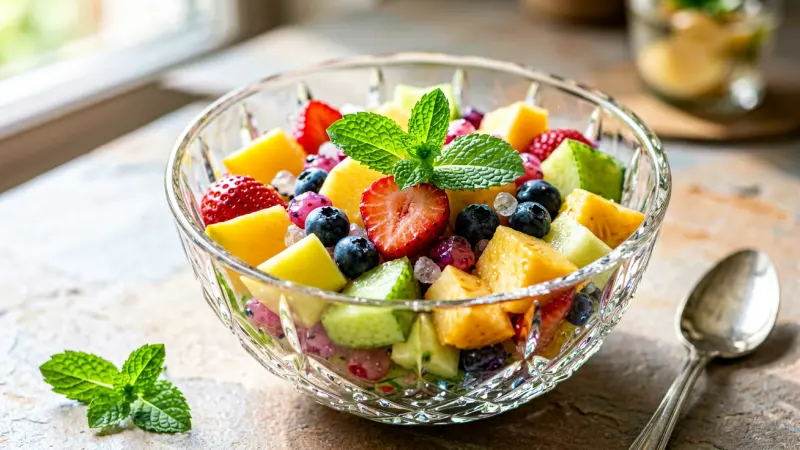
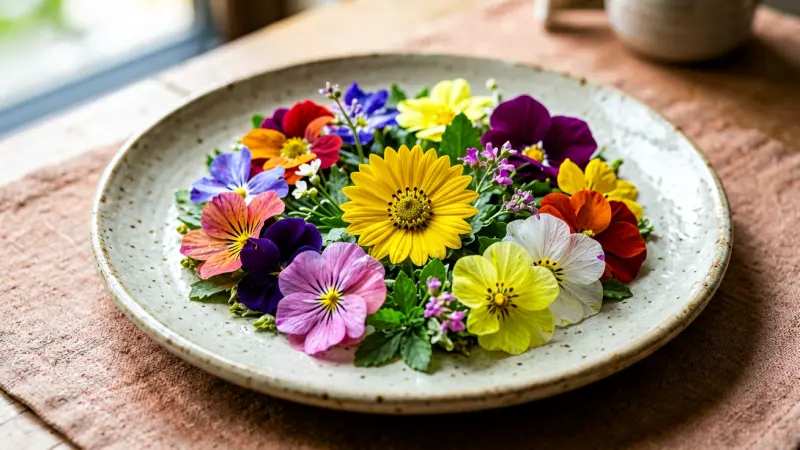
The primary advantage of an edible arrangement is the ability to create a striking focal point without using flowers, which can be expensive, require water, and carry the risk of pollen or wilted petals on a food-centric table. By using fresh produce, cheeses, and charcuterie, the centerpiece becomes part of the meal. This blurs the line between decor and dining, creating an immersive experience for guests.
It signals that the host cares about the sensory details of the event, not just the logistics.
From a psychological standpoint, visually appealing food can influence how hungry we feel and how we perceive the quality of the entire meal. A well-constructed arrangement raises expectations. Guests are more likely to savor the items presented in a beautiful context.
This visual appeal also serves a functional purpose in social settings, acting as a conversation starter that encourages guests to move around the table and engage with the food.
Evaluating the Practical Challenges
Time Sensitivity and Perishability
The biggest downside to edible arrangements is their short lifespan. Unlike a vase of roses that lasts for a week, a centerpiece built from delicate fruits, herbs, and soft cheeses has a very narrow window of usability. If your event runs late or guests arrive earlier than expected, the visual integrity of the arrangement can degrade quickly.
Lettuce wilts, berries bruise, and soft cheeses can melt or release moisture that affects the structural stability of the piece. This requires precise timing in preparation and service.
Cost Versus Volume
Edible arrangements are resource-intensive. They use a disproportionate amount of high-quality ingredients for relatively few people who might actually eat from them. In a catering context, this can inflate the per-plate cost significantly.
For a home host, it means spending a premium on ingredients that may sit untouched for the duration of the meal. While the aesthetic value is high, the nutritional or satiating value is low compared to a standard course. You are essentially paying for design labor and premium raw materials.
Accessibility and Dietary Needs
Standard arrangements often feature specific fruits, nuts, or dairy products. For a host managing guests with severe allergies or specific dietary restrictions, such as veganism or gluten-free diets, ensuring the centerpiece is safe and inclusive requires extra planning. If the arrangement is the main appetizer or snack, you must have safe alternatives readily available for everyone.
This adds complexity to menu planning and service coordination.
When Edible Arrangements Are the Right Choice
These pieces shine in settings where the event is shorter and the food is intended to be sampled rather than consumed as a full meal. Think wine tastings, cocktail parties, or wedding receptions where the main course is served separately on individual plates. In these contexts, the arrangement acts as a sophisticated amuse-bouche or a grazing station.
It sets the tone without replacing the heart of the meal.
They are also excellent for private dinner parties where the host has control over the guest list and can ensure everyone is aware of any ingredients. The intimacy of the setting allows the visual impact to be appreciated up close. For a group of ten to twenty people, a large, central edible sculpture can be shared easily, fostering a communal dining experience that is more casual and interactive than plated service.
Comparing Options for Your Event
To help you decide, it is useful to compare edible arrangements against traditional floral centerpieces and standard buffet displays. Each has distinct strengths and weaknesses that align with different event types.
| Feature | Edible Arrangement | Floral Centerpiece | Standard Buffet |
|---|---|---|---|
| Aesthetic Impact | High; integrates with dining | High; classic elegance | Low; functional focus |
| Cost | High (premium ingredients + labor) | Medium to High | Low to Medium |
| Longevity | Hours (perishable) | Days to Weeks | Hours |
| Allergen Risk | Moderate to High | Low (if no pollen) | Varies by menu |
| Guest Interaction | High; shared sampling | Low; decorative only | High; self-service |
This comparison highlights that edible arrangements are best suited for events where visual novelty and shared dining are priorities. If you want a table that remains pristine and untouched for the entire evening, flowers may be safer. If you want to minimize cost and maximize variety, a buffet is the most efficient.
Edible arrangements occupy a middle ground: they are more expensive than a buffet and more ephemeral than flowers.
Common Mistakes to Avoid
Overlooking Structural Integrity
A common failure point is trying to build too high or using ingredients that cannot support weight. Placing heavy wedges of brie on top of delicate fruit can cause the structure to collapse or crush the items below. Use sturdy bases, such as wooden boards, slate, or stacked heavy bowls, to support the structure.
Avoid relying on the compressive strength of soft cheeses or ripe fruits to hold the arrangement together.
Ignoring Temperature Control
Many ingredients in these arrangements, particularly dairy and cured meats, need to stay cold to remain safe and fresh. If the centerpiece is on the table for more than two hours, the outer layers may become unsafe or spoil. Keep the arrangement on a chilled base if possible, or plan to assemble it closer to service time.
Do not build the final decorative layers in advance if the room temperature is warm.
Forgetting the “Last Bite” Effect
Guests often wait until other people have started eating before they take a piece. By the time they reach the arrangement, the most visually appealing top items may have been taken, leaving the structure looking disheveled. To mitigate this, create abundance.
A small, intricate arrangement looks bad when depleted. A larger, dense arrangement maintains its visual appeal even as people pick at it from the sides.
Practical Tips for Creating a Successful Arrangement
Start with a theme that complements your broader menu. If you are serving Italian cuisine, lean into Mediterranean ingredients like olives, figs, feta, and prosciutto. If your menu is modern American, consider a mix of local cheeses, charcuterie, and fresh seasonal fruits. Cohesion in flavor profiles makes the arrangement feel intentional rather than random.
Focus on contrast in texture and color. Pair creamy soft cheeses with sharp aged cheeses, and smooth fruits with crunchy nuts or vegetables. Use herbs like rosemary or thyme as both edible components and decorative elements, providing a green contrast to the browns and reds of meats and cheeses. This visual variety keeps the eye moving and makes the arrangement more interesting.
Prepare your workspace before you start assembling. Have all items washed, dried, and pre-portioned. Chopping boards should be clean, and tongs should be placed for serving. This prevents the chaos of trying to chop a melon while trying to stack a cheese wheel. Efficiency during the final assembly ensures the ingredients stay at their peak temperature and freshness.
Maintenance and Service Strategy
Once the arrangement is on the table, designate a specific time for serving. Do not leave it out for the entire four-hour event without intervention. Consider removing the most delicate items, such as fresh berries or cut melons, after the first hour and replacing them with sturdy vegetables or nuts for the remainder of the event. This preserves the visual structure while ensuring food safety.
For larger events, split the arrangement into smaller, individual “nooks” on separate serving platters rather than one giant central sculpture. This allows for better air circulation, easier access for guests, and simpler replacement of depleted sections. It also reduces the risk of cross-contamination from shared tongs or hands handling multiple dense items.
FAQs About Edible Arrangements
How far in advance can I prepare an edible arrangement?
Most structural elements can be prepared a day in advance and stored refrigerated, but the final assembly should happen within three to four hours of serving. Delicate items like cut stone fruit or fresh herbs should be added last minute to prevent oxidation and wilting. Avoid building the full structure more than a day before the event.
Do edible arrangements smell too strong for a dining room?
Usually, no. While strong cheeses like goat or blue cheese have potent aromas, they are generally considered appetizing in a dining context. If your space is very enclosed, balance strong cheeses with milder fruits or citrus, which can help mask heavy odors. Ensure the room is well-ventilated if you plan to use strongly scented cured meats.
Are they suitable for outdoor weddings?
They can be, but temperature is a major factor. In heat, dairy and meat products can spoil quickly. In cold, they become firm and less palatable. For outdoor events, consider a mix of harder, longer-lasting items like dried fruits, nuts, and hard cheeses, and serve the arrangement closer to the end of the reception when guests have finished eating their main courses.
How do I handle guests with allergies?
Always label the arrangement clearly or provide a separate menu card detailing all ingredients. If a guest has a severe allergy, offer a separate, dedicated platter of safe items that is not part of the main arrangement. This prevents cross-contact and gives the guest peace of mind. Never rely on guests to inspect ingredients visually without clear information.
Is it better to buy or make an edible arrangement?
Buying from a professional caterer or cheese shop is often better for high-stakes events. Professionals have the experience to manage structural integrity and food safety. For casual dinner parties, making your own is more personal and cost-effective, provided you follow basic hygiene and storage rules.
Professional arrangements also typically come with a presentation plan that accounts for the full duration of the event.
Final Thoughts on Value and Execution
Edible arrangements are a strong choice when visual storytelling is a priority and the event timeline allows for quick consumption of the items. They add a layer of sophistication and interactivity that standard centerpieces cannot match. However, they require careful planning regarding food safety, structural stability, and guest accessibility.
If you are looking for a low-maintenance option that stays pretty for hours, flowers may be superior. If you want to feed the eyes and the palate simultaneously, and you are prepared to manage the perishability, an edible arrangement is a rewarding experience for both the host and the guests. Focus on abundance, strong bases, and temperature control to ensure the piece remains both beautiful and safe throughout the event.
Related: What Does Asterisk Correction Mean: A Practical Guide for Writers · What is the difference between cute and handsome: A practical guide · What Are Shower Goggles Used For? The Practical Guide to Eye Protection