Witnessing a spider drop from your ceiling can be startling, often triggering an immediate fear of infestation or structural compromise. However, in most cases, this behavior is a normal part of a spider’s lifecycle or a simple reaction to environmental changes rather than a sign of danger. Understanding why spiders perform this maneuver allows you to address the root cause with targeted, humane solutions rather than relying on blind pesticide spraying.
This guide breaks down the specific behaviors behind falling webs, identifies the most common culprit species, and offers practical steps to prevent future drops without inviting other pests into your home.
Why Do Spiders Drop From the Ceiling?
Before deciding on a treatment method, it is crucial to understand the behavioral mechanics behind a spider falling from a ceiling. Spiders do not typically fly; they use silk threads to move. When a spider descends from a high point, it is usually using one of three specific methods: the dragline technique, the hunting drop, or accidental web collapse.
Each method signals a different condition within your home.
The Dragline Technique
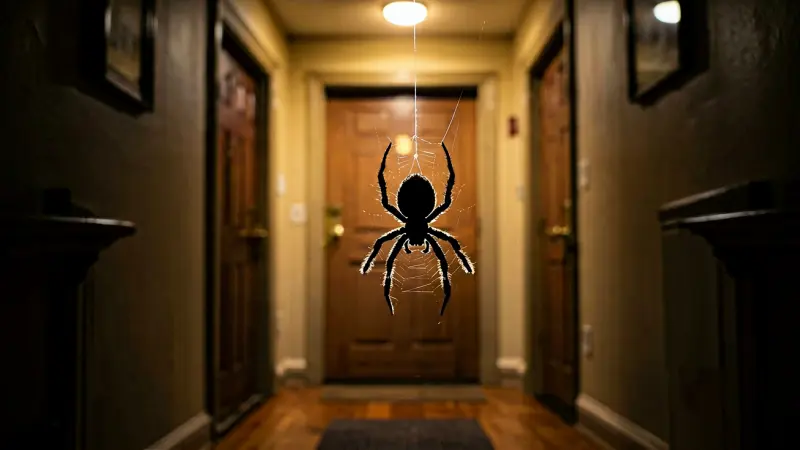
Many spiders, particularly cellar spiders and house spiders, use a silk thread to lower themselves to the ground. This thread, known as a dragline, acts as a safety tether. The spider attaches one end to its abdomen and hangs from it, slowly unreeiling the silk until it reaches the floor.
This method allows the spider to descend safely without falling freely. If you see a long, thin strand of silk connecting the spider to the ceiling, this is likely the cause. It indicates the spider is moving to a new location, possibly to build a new web or find a mate, rather than dying or being disoriented.
This behavior is often observed during mating seasons or when temperatures drop, prompting spiders to seek more stable indoor environments. The dragline ensures they can return to their high vantage points if needed, making them effective hunters of flies and other insects that hover in upper air currents.
Hunting Drops
Jumping spiders and some orb-weavers practice a “hunting drop.” They fall from their perch, catching prey mid-air or stabilizing their landing before quickly jumping back up or resuming the hunt. This is an active predatory behavior. If the spider is moving rapidly or appears alert rather than limp, it is likely hunting.
Jumping spiders are generally harmless to humans and beneficial for controlling fruit flies and mosquitoes.
Web Collapse and Structural Issues
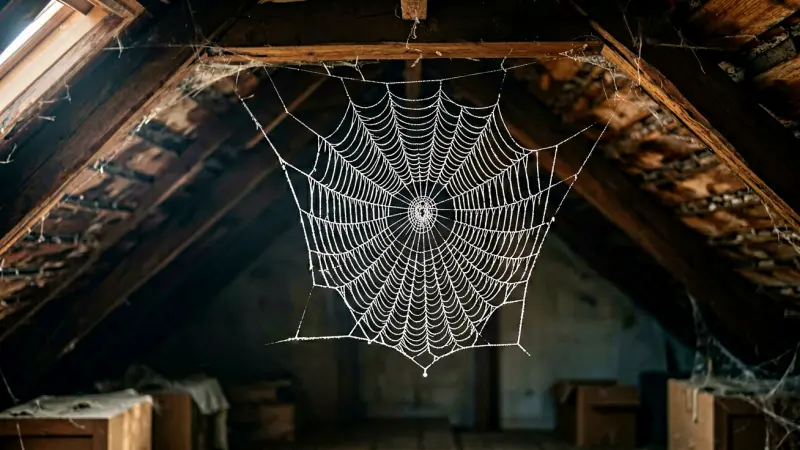
Sometimes, spiders fall because their web has become damaged or unstable. This can happen if a bird hits the web, a breeze disrupts the structure, or the web is overloaded with caught prey. In these instances, the spider may lose its grip or the structural integrity of the web, causing it to drop.
If you notice multiple web fragments on the floor or a large, messy tangle on the ceiling, the web itself may be the problem. Older webs degrade over time, losing stickiness and strength, which can lead to accidental falls.
Identifying Common Culprits
Not all spiders that drop from ceilings are the same. Identifying the species helps determine whether the presence is beneficial, harmless, or a nuisance. Below is a comparison of common household spiders that might exhibit dropping behavior.
| Spider Species | Typical Appearance | Reason for Dropping | Human Risk |
|---|---|---|---|
| Cellar Spider (Steatoda) | Long, thin legs; small body; grayish-brown | Uses draglines to move between webs; often drops when disturbed | Low; bite is painful but rarely medically significant |
| House Spider (Parasteatoda) | Medium size; light brown with dark markings; builds chaotic webs in corners | Drops to hunt small insects or escape perceived threats | Low; generally non-aggressive |
| Jumping Spider (Salticidae) | Compact body; large front eyes; diverse colors; no web | Hunting drop to catch prey or reposition | None; beneficial predator of pests |
| Orb Weaver (Araneus) | Larger body; distinctive round webs; often found in outbuildings or garages | Falls if web is damaged by wind or birds; may drop to restart web | Low; bite is similar to a bee sting for most people |
Most spiders that enter homes are accidental invaders or accidental residents. They often follow other insects into the house. If you see a spider dropping from the ceiling in a garage or basement, it is frequently an orb weaver that has wandered in to hunt flies. These spiders are not trying to live in your bedroom; they are using the space as a temporary hunting ground.
Environmental Triggers for Ceiling Behavior
Spiders are sensitive to environmental changes. Several factors can trigger spiders to occupy high ceilings or drop down unexpectedly. Addressing these triggers is often more effective than removing individual spiders.
Seasonal Shifts and Temperature Changes
As temperatures fluctuate, spiders adjust their habitats. During spring, when mating seasons begin, spider activity increases dramatically. Spiders may move to new locations, including indoor ceilings, to find mates or escape cooler outdoor temperatures.
In winter, some species seek indoor warmth. If you notice a spike in spider activity during specific seasons, it aligns with these natural life cycles. Understanding this seasonal pattern helps you predict when you might see more activity, allowing you to prepare by sealing entry points before the peak season.
Pest Population Pressure
Spiders follow food. If there are high populations of flies, gnats, or mosquitoes near your ceiling lights, spiders will inhabit those areas to hunt. The light attracts the insects, and the spider positions itself nearby.
A frequent spider drop may signal a broader pest problem. For instance, fruit flies are often attracted to decaying organic matter like spilled juice, ripe fruit left out, or unclogged drains. If you see spiders dropping in kitchens or pantries, investigate for fruit flies or other small insects first.
Solving the insect infestation often reduces the spider presence naturally, as the food source disappears.
Disruption and Disturbance
Spiders are territorial and sensitive to vibration. If a spider’s web is disturbed by cleaning, air conditioning drafts, or other activity, it may drop to reweave or escape. Frequent cleaning of ceiling corners can actually increase spider movement, as they are forced to rebuild their webs repeatedly.
This creates a cycle where the spider is constantly active near the ceiling. To minimize this, focus on removing the web entirely rather than just disturbing it, or maintain a schedule that allows the spider to complete its web without frequent interference.
Practical Solutions to Stop Spiders from Dropping
Once you understand the cause, you can implement targeted solutions. The goal is to remove the incentives for spiders to occupy your ceilings and to safely remove any that are already there.
Eliminate the Food Source
The most sustainable way to reduce spider numbers is to control their prey. This involves several steps. First, inspect your ceiling lights for insect traps or light attractors that might be feeding a local insect population.
Switching to LED lights, which generate less heat and attract fewer insects, can help reduce the insect presence around lamps. Additionally, keep your home clean. Wipe down kitchen counters, fix leaky faucets, and ensure trash cans have tight-fitting lids.
By reducing the insect population, you make your home less appealing to spider predators.
Seal Entry Points
Spiders enter homes through tiny cracks. Inspect the perimeter of your home, paying close attention to gaps around windows, doors, and utility lines. Use caulk to seal cracks in the exterior siding and around window frames.
Install weather stripping on doors. If you have gaps in your garage, these are major entry points. Spiders can squeeze through gaps as small as a credit card.
Sealing these entry points prevents new spiders from migrating inside, breaking the cycle of infestation.
Safe Removal and Web Disruption
If a spider is on the ceiling and you want it gone, do not rely on shaking it down. This often causes the spider to fall from a height, which may startle you and others, and it will likely reestablish itself in another high spot. Instead, use a long-handled broom or a vacuum cleaner with a hose attachment to gently remove the spider and its web.
For webs, use a broom to sweep them away, or a specialized web-cleaning tool. This physically removes the spider’s territory and forces it to move. If you prefer a non-lethal approach, capture the spider in a container and release it outdoors, at least 100 feet away from your home, to prevent immediate re-entry.
Consider Natural Deterrents
Some home remedies claim to repel spiders, but evidence for their efficacy is mixed. Essential oils like peppermint and tea tree are popular, but spiders do not consistently avoid areas with these scents in high concentrations. Moreover, strong scents can be overwhelming in enclosed spaces.
Instead of relying on questionable repellents, focus on ventilation. Spiders often prefer damp, cluttered, and stagnant areas. Use dehumidifiers in basements and attics to reduce moisture.
Keep these areas clutter-free to eliminate hiding spots. A dry, open space is less attractive to most spider species.
Mistakes to Avoid When Dealing with Ceiling Spiders
Homeowners often make errors that exacerbate the problem. One common mistake is ignoring the web structure. Removing the spider without removing the web is temporary.
The spider will return to rebuild its hunting ground. Always remove the web when removing the spider. Another mistake is over-spraying pesticides.
Indiscriminate spraying of the ceiling is ineffective because spiders are not usually crawling on the treated surface; they are in the web. Pesticides degrade over time, and reapplication creates unnecessary chemical exposure in your living space. Targeted, integrated pest management is far more effective and safer.
Additionally, avoid panicking and trying to kill spiders on the ceiling with your foot or hand. This is dangerous for you and ineffective for the spider. Spiders have protective exoskeletons, and many can jump or move quickly.
Use tools, not your body, to manage spider encounters. If you are unsure whether a spider is venomous, do not touch it. In most temperate regions, household spiders are not medically significant, but if you reside in an area with known dangerous species like black widows or brown recluses, exercise caution and consider professional inspection.
When to Call a Professional
While most ceiling spider issues can be managed with DIY methods, certain scenarios warrant professional help. If you see a large number of spiders (more than 10-15 active webs) throughout your home, it may indicate a significant pest infestation or a structural entry point that is difficult to seal. Professionals can identify the species accurately, which is crucial if you are in a high-risk area for venomous spiders.
They can also apply targeted treatments that are more effective than consumer-grade sprays, such as dusts that penetrate cracks and voids where spiders hide. If you have allergies to spider bites or have young children who may come into contact with spiders, a professional assessment provides peace of mind and a customized control plan.
Consider professional help if you cannot identify the source of the spiders. Tracing the entry point can be complex, involving attic insulation, foundation cracks, or pipe seams. A pest control expert can use heat mapping or visual inspection to locate and seal these difficult access points, providing a long-term solution rather than a temporary fix.
Long-Term Maintenance and Prevention
Preventing spiders from returning is easier than removing them once established. Integrate spider prevention into your regular home maintenance routine. Schedule an annual inspection of your home’s exterior in spring and fall to check for new cracks or gaps.
Keep vegetation trimmed back from your home. Overgrown bushes and trees provide perches for spiders and other pests, making it easier for them to access your walls and windows. Regularly clean out gutters, as stagnant water and debris attract insects, which in turn attract spiders.
Indoors, perform quarterly deep cleans of storage areas, basements, and attics. Remove boxes, papers, and clutter that provide shelter. While spiders prefer undisturbed areas, a clean, organized space offers them fewer opportunities to settle.
If you store items in the garage, keep them off the floor and away from walls to reduce hiding spots. This proactive approach reduces the likelihood of spiders establishing long-term colonies in your home.
Frequently Asked Questions
Are spiders dropping from the ceiling a sign of a larger infestation?
Not necessarily. A single spider dropping is often just an individual moving or hunting. However, if you see multiple spiders dropping frequently, it may indicate a high population of their prey insects or a favorable environment for spiders to thrive.
Look for signs of the insect problem first, such as fruit flies or gnats. If the insect population is high, the spider population will likely remain high as long as the food source persists.
Do spiders drop from the ceiling when they are dying?
Spiders do not typically drop simply because they are dying. They may fall if their web is destroyed, if they are injured, or if they are moving to a new location. A limp spider on the floor may be dead or dying, but the act of dropping is usually intentional or accidental due to web disruption, not a natural dying process.
If you find a dead spider, it is likely the result of a failed hunt, a bird attack, or accidental fall from web collapse.
Can I use vinegar to repel spiders from the ceiling?
Vinegar is a common home remedy, but its effectiveness against spiders is limited. While spiders may avoid strong vinegar smells, it is not a reliable repellent for established webs. Moreover, vinegar can damage some finishes and is not persistent enough to provide long-term protection.
It is better to use vinegar to clean surfaces and remove insect pheromones that might attract pests, but do not rely on it as a primary spider deterrent. Focus on sealing entry points and removing the food source for better results.
Is it safe to sweep away spider webs?
Yes, it is safe. Sweeping away webs removes the spider’s hunting ground and forces it to relocate. This is a harmless, non-lethal way to manage spider presence.
Be gentle to avoid startling the spider into falling or jumping. If you prefer not to sweep, you can use a vacuum cleaner attachment to suck up the web and the spider simultaneously, which is efficient and safe for both you and the spider, as it is usually contained in the vacuum bag or canister.
Conclusion
A spider dropping from the ceiling is typically a normal behavior related to hunting, migration, or web maintenance rather than a sign of a dangerous infestation. By understanding the specific triggers—such as seasonal changes, insect prey availability, or web disruption—you can address the root cause instead of just reacting to the symptom. Focus on eliminating the spider’s food source, sealing entry points, and maintaining a clean, clutter-free environment.
These proactive steps reduce the need for chemical interventions and keep your home comfortable. If spider activity persists despite these efforts, or if you are concerned about venomous species, consult a professional for a tailored pest management plan.
Remember, most household spiders are beneficial allies in controlling other pests. When in doubt, observe the spider’s behavior and the surrounding environment before deciding on removal. A calm, informed approach to spider management ensures a safer, more balanced living space.